

To start a dropshipping business in India, choose a target customer, research products, find a reliable supplier, set your budget and prices, build an online store, configure payments and shipping, and test an order before launching. Your supplier prepares and ships each customer order, so you do not need to buy finished inventory in bulk.
Indian sellers also need to plan for UPI, Cash on Delivery (COD), courier coverage, failed deliveries and Return to Origin (RTO). Begin with a small product range and a clear business plan. Check demand and product quality, calculate costs, and confirm the GST and business rules that apply to your sales.
Dropshipping in India can reduce upfront inventory costs, but samples, tools, supplier payments, marketing and refunds may still require working capital. The steps below explain how to prepare a store, find your first customers, manage completed orders and grow using real sales data rather than assumptions.
Key Takeaways
- Start with a specific customer and a small product selection; validate demand before investing in a large catalogue.
- Choose suppliers after checking samples, total product and shipping costs, dispatch times, returns and how they receive orders.
- Budget for the store, sample orders, marketing, and working capital, even if you don’t purchase inventory upfront.
- Check applicable business and GST requirements, payment settlements and customer policies before taking live orders.
- Launch only after a complete test order; judge progress by completed sales and actual order contribution, not traffic or revenue alone.
How Does Dropshipping Work?
In dropshipping, the customer orders from your online store. You send the order details to your supplier, who prepares, packs and ships the product directly to the customer. The order follows this simple process:
Customer → Your Store → Supplier → Customer
You manage pricing, payments and customer support, while the supplier handles physical fulfilment.
How to Start Dropshipping Business in India: 9 Practical Steps
Start with a customer group and a small product range. These nine steps cover planning, supplier selection, store setup, testing, launch and daily management.
Step 1: Choose Your Customer and Build a Simple Business Plan
A simple business plan for dropshipping sets out your target customer, products, supplier, sales channel, budget and first sales target. Keep it to one page and revise it when orders begin. Make four decisions before spending money:
- Customer: Define one group and the problem or preference your products address.
- Offer: Select a small product range and the reason customers would choose it.
- Budget: Set limits for samples, store setup, marketing and fulfilment.
- Initial target: Track your first successfully delivered orders and the costs behind them.
For example, a beginner could serve college students looking for original graphic T-shirts rather than selling unrelated fashion items to everyone. That choice guides product research, branding and promotional content.
Step 2: Research a Niche and Shortlist Products
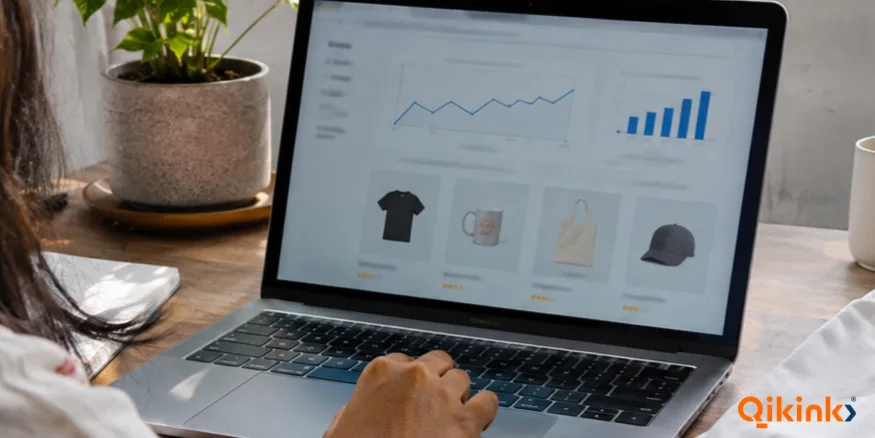
Research demand before selecting products. Google Trends can show whether interest changes over time; marketplace listings, customer reviews and relevant social media discussions can show product preferences and complaints. These are research signals, not proof that your own store will generate sales.
Check these points before listing a product:
- Demand: Compare searches, reviews and discussions with actual competing offers.
- Product fit: Check variants, sizing, fragility and likely return issues.
- Price room: Estimate whether the market price can cover supplier and selling costs.
Research several dropshipping niches before choosing a product range. Compare what buyers want, competing products and prices instead of assuming any niche will be profitable.
Step 3: Compare Suppliers and Order Samples
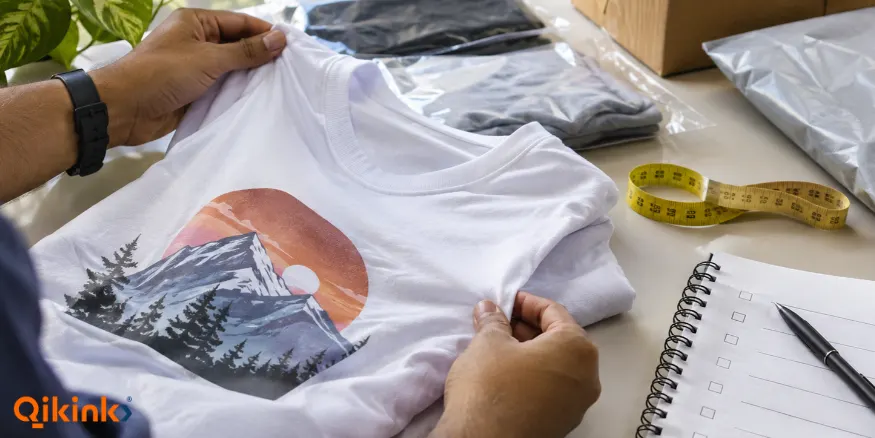
Find a dropshipping supplier who can fulfil individual orders consistently and give you usable information about products, stock, fees, delivery and returns. A low base product price is not enough if dispatches are delayed or customers receive inconsistent quality.
Check how the supplier processes orders, receives payment, dispatches parcels and handles delivery problems. Confirm the following before committing:
- Order a sample and compare the delivered item with the listing.
- Confirm dispatch timing, serviceable pincodes and tracking availability.
- Get payment, COD, returns and failed-delivery terms in writing.
Keep photos of the sample, packaging and tracking updates as a record of what you received. Compare your shortlisted dropshipping suppliers using these findings before making a final choice.
Tip
Qikink can print eligible products on demand and ship them under your brand, but confirm the product and delivery options before listing it.
Ready to Test Products?
Explore supported products and create your Qikink seller account today
Sign Up Free →
Step 4: Set Your Prices and Starting Budget
Set a price that customers may be willing to pay, then check whether it covers product costs, shipping, payment fees, marketing, discounts and expected returns or RTO.
Consider this hypothetical prepaid T-shirt order with a listed selling price of ₹699. The figures below are illustrative and show how much money remains after the main order costs. They are not Qikink prices or typical seller earnings.
The listed price is ₹699. After the seller-funded ₹30 discount, the customer pays ₹669. Subtract ₹280 for the product, ₹70 for shipping, ₹15 for payment processing, ₹100 for marketing and ₹24 as an allowance for returns or RTO. That leaves ₹180 before fixed business expenses and applicable taxes. It is not net profit.
Dropshipping can be profitable in India when sales consistently cover product, shipping, marketing, return and other business costs. The ₹180 in this example is not guaranteed earnings, and actual profitability depends on your expenses and successful deliveries.
You also need money to pay suppliers before customer payments reach your account. Several orders arriving together can create a cash gap even when their margins look healthy. Keep a reserve for supplier charges and refunds, and compare pricing options using a dropshipping profit margin calculator.
Step 5: Check Business Requirements and Build Your Store
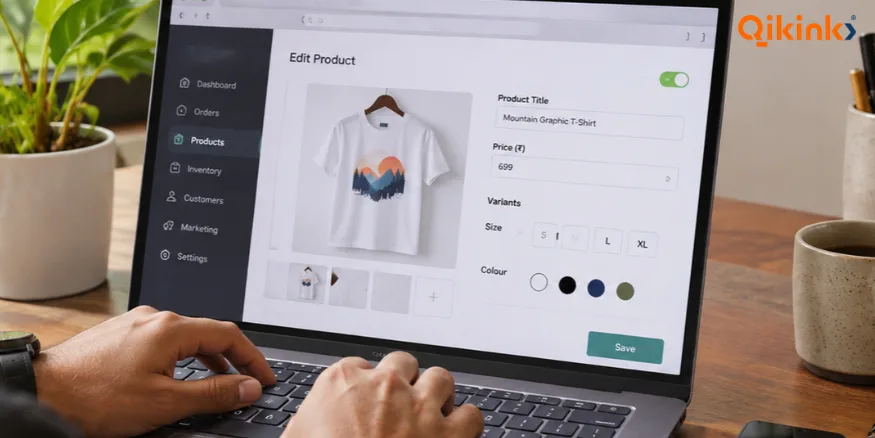
Before accepting sales, check the business and tax requirements relevant to your products, location and selling channel. Dropshipping is a permitted fulfilment model in India, but using it does not exempt sellers from applicable GST, consumer protection, invoicing or product rules.
GST registration depends on turnover, state, supply type and sales channel. The GST Council’s Notification No. 34/2023-Central Tax allows certain eligible sellers of goods to use ecommerce operators without GST registration, subject to conditions such as turnover limits, selling within one state, PAN and GST portal enrolment. It is not a blanket exemption. Check the current requirements and obtain qualified advice where needed.
To register a dropshipping business in India, choose a suitable structure such as a sole proprietorship, partnership, LLP or company. Then check the dropshipping legal requirements that apply to your products, location and sales channel before accepting orders.
For an online dropshipping business, select a selling platform that fits your budget and technical skills. Shopify offers a hosted store, while WooCommerce runs on WordPress and requires you to manage hosting and maintenance. To start a dropshipping store, prepare a domain, clear product listings, a working checkout, payment options and customer support details. You do not need an elaborate website or several paid apps before your first sale.
Pick an easy-to-remember store name and a clear product focus. Check the domain, social handles and existing trademarks. Give customers a clear reason to choose your store, such as original designs, personalisation or products made for a specific audience.
Use consistent designs and product information across your store and social pages. Each product page needs a clear price, images, sizes or variants, delivery information and return conditions. Add contact details and test the store on a phone.
Step 6: Connect Payments, Shipping and Your Supplier
Choose payment methods your customers use, such as UPI and cards, and decide whether to offer COD. Check gateway fees, settlement periods, refunds and approval requirements. The available payment gateways in India differ in features and fees, so test the selected option before opening checkout.
Match store shipping settings to the supplier’s serviceable pincodes, actual charges and delivery estimates. Processing or printing time comes before courier transit; a dispatch estimate must not be advertised as the final delivery date.
For COD, find out who collects payment, when it is settled and what charges remain if delivery fails. Customer returns happen after delivery, while RTO occurs when an order cannot be delivered and is sent back. Check who pays the related charges under your supplier agreement. Keep the process clear so a failed delivery does not surprise you with unpaid costs.
Connect your store to the supplier when an integration is available. Otherwise, use a clear manual process. Check that the supplier receives the right design, variant, address and phone number, and that you receive tracking updates.
Connect Your Store to Fulfilment!
Create your account & prepare eligible products for your store workflow
Launch Your Store →
Step 7: Place a Complete Test Order
Before launching, order a product sample from your supplier to check its quality, packaging and delivery. Then place a test order through your own store to confirm that checkout, payment, order details and tracking work correctly. Make sure the supplier receives the right order information and that the delivered product matches the listing.
Step 8: Launch and Find Your First Customers
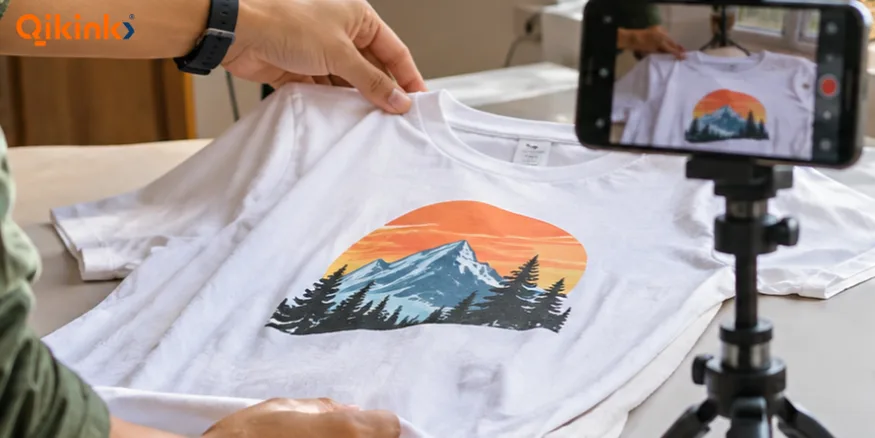
After the store passes the test order, launch with a focused marketing plan. Your aim is to reach the right buyers, see which products attract serious interest and learn what prevents visitors from ordering.
For a small-budget launch, focus on one audience and a few actions you can measure. Try organic content first if paid ads would leave too little money for fulfilment:
- Show the product’s fit, details and appearance through clear photos or videos.
- Start with one or two relevant channels instead of publishing everywhere.
- Track visitors, checkout attempts and completed deliveries before increasing spend.
If visitors view a product but do not add it to their cart, check the images, price, design and size details. If they reach checkout but do not pay, test the payment methods, delivery charges and checkout process. Fix one clear problem at a time and check whether it improves orders.
Before increasing your marketing budget, check whether your first orders were delivered successfully and how much money remained after costs. Test dropshipping advertising only after your store and fulfilment process work reliably.
Step 9: Manage Orders and Grow What Works
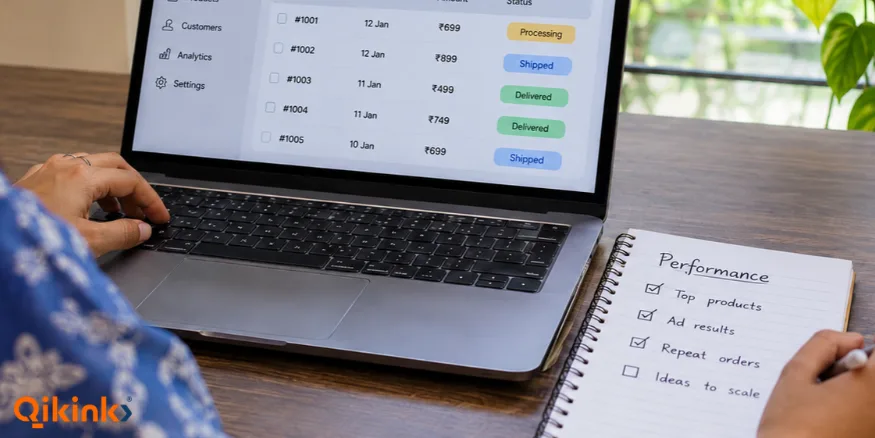
To manage a dropshipping business after launch, review orders, customer messages and cash flow regularly. Automatic order transfer helps, but you still need to resolve delivery problems and refunds.
A simple review routine can help you manage the business:
- Daily: Payment failures, supplier updates, delivery exceptions and customer messages.
- Weekly: Completed orders, cancelled orders, returns and marketing costs.
- Monthly: Total operating costs, repeat customers and whether more volume is sustainable.
To grow a dropshipping business, focus on products that sell consistently and leave enough money after order costs. Automate routine order or tracking updates when useful. Do not scale a product while quality, delivery or refund problems remain unresolved.
Get the Free Dropshipping Guide for India
A quick 9-step action plan to choose your customer, test a supplier, set up your store, run a test order and launch your dropshipping business.
Download the 9-Step Dropshipping Guide → Your Dropshipping Guide GET THE FREE 9-STEP PDFExample: Starting a T-Shirt Dropshipping Business in India
Consider a beginner planning to sell graphic T-shirts to college students in India. This hypothetical example shows how the seller tests products, fixes problems, and prepares a store for its first orders.
- Choosing products: The seller researches student fashion preferences, compares prices, and selects five original T-shirt designs. Customer reviews show that buyers often have questions about sizing.
- Testing the supplier: The seller orders two sample T-shirts. One has incorrect print placement, so the seller updates the instructions and orders another sample to confirm the correction.
- Planning costs: The seller calculates printing, shipping, payment, and marketing expenses. Part of the starting budget is reserved for supplier payments and refunds instead of spending everything on promotion.
- Preparing the store: The seller adds product photos, size charts, prices, and delivery information. A test order reveals a missing shipping charge at checkout, which is corrected before the store opens to customers.
- Launching and improving: A product video attracts visitors, but some ask for clearer sizing information. The seller updates the photos and size chart, then reviews successful deliveries, customer feedback, and order costs before increasing the marketing budget.
This example shows why testing and correcting problems before scaling matters more than launching with a large product catalogue.
How Much Does It Cost to Start a Dropshipping Business in India?
Starting costs depend on your store, samples, marketing and working capital. You can avoid buying stock in bulk, but you still need money for samples, store setup, marketing and order fulfilment. The ₹10,000 example below is a possible budget, not a minimum investment or a Qikink price list.
Actual expenses may be higher or lower. For example, a paid platform, extra samples or several orders awaiting settlement can increase the cash needed. Keep money for supplier payments and refunds separate from your promotional budget.
How to Start a Dropshipping Business With No Money?
You can research products, plan designs, and test organic content using free tools, but starting a dropshipping business with no money is difficult once orders arrive. Supplier payments, refunds and sometimes samples or store tools still require funds. Do not accept customer orders that you cannot fulfil.
Dropshipping Best Practices for Indian Sellers
Once you begin selling, follow these dropshipping best practices to avoid common order and customer-service problems.
1. Keep listings aligned with supplier availability
Check popular products and variants before running promotions. Hide unavailable sizes or pause offers that cannot be fulfilled.
2. Separate confirmed orders from delivered orders
Track successful deliveries, cancellations and refunds so your sales report does not overstate money actually earned.
3. Review COD and delivery failures by cause
Look for address errors, refused deliveries, unreachable customers and courier problems. Confirm COD details when appropriate, but do not promise that verification will eliminate RTO.
4. Set realistic delivery expectations
Show both processing and courier time where relevant, and notify buyers when a shipment is delayed rather than waiting for a complaint.
5. Make returns and support easy to understand
Publish accurate conditions and a clear contact method. Record recurring reasons for damaged-item complaints, wrong variants and replacement requests.
6. Recheck the economics of winning products
Compare contribution after marketing, refunds and RTO allowances before expanding the catalogue or increasing promotion.
Common Mistakes to Avoid
- Using designs without permission: Check copyright and trademark rights before selling printed artwork, logos or slogans.
- Copying supplier descriptions without checking them: Verify product materials, sizes, colours and features before publishing listings.
- Relying on one supplier without a backup plan: Know what you will do if popular products become unavailable or fulfilment is delayed.
- Spending all your budget on marketing: Keep enough money for supplier payments, refunds and unexpected order costs.
Tip
Record recurring problems with order numbers, causes, resolutions and costs. Review the list weekly to spot patterns.
Skills Needed for Dropshipping
You do not need a specific educational degree to start a dropshipping business in India. Focus on five practical skills and develop them as you gain experience:
- Product research: Compare demand, competition and customer feedback before selecting items.
- Pricing and budgeting: Track order costs, supplier payments and the money available for fulfilment.
- Store management: Update listings, review orders, and troubleshoot payment or product errors.
- Marketing: Make useful product content and measure which channels bring completed orders.
- Customer support: Resolve delivery questions, complaints and returns promptly.
How to Dropship with Qikink?
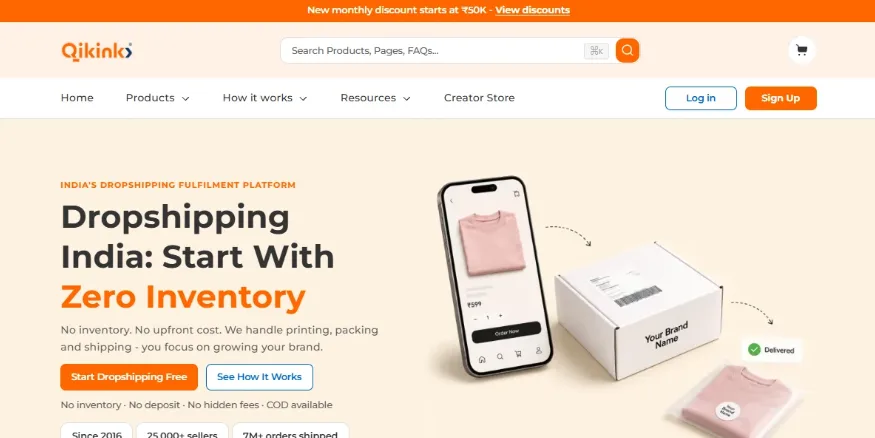
Qikink supports dropshipping for eligible plain and custom-printed products. You can prepare products and manage fulfilment without buying finished inventory in bulk.
- Create an account: Sign up with Qikink for free (₹0 account creation) and explore its product catalogue, printing options and prices.
- Prepare your products: Choose products in the Qikink dashboard, upload your original designs where needed, and save the available size and colour variants.
- Connect your store: Integrate Shopify or WooCommerce and push your prepared products to your store. Check the product details and selling prices before publishing.
- Test your first order: Order samples, check quality and delivery, and confirm that your store orders reach Qikink with the correct product and customer details.
After testing, you can start promoting your products while Qikink handles printing where required, packing, and shipping.
Ready to Start Selling?
Create your account and prepare your products for on-demand fulfilment
Join Qikink Now →
Frequently Asked Questions (FAQs)
1. What Do You Need to Start a Dropshipping Business in India?
2. How Long Does It Take to Start a Dropshipping Business in India?
3. How to Register a Dropshipping Business in India?
4. What If Your Dropshipping Supplier Runs Out of Stock?
5. Can I Start Dropshipping in India Using Only My Phone?
6. How Do I Get My First Dropshipping Sale?
7. Do You Need a Website to Start Dropshipping in India?
8. How to Start a Dropshipping Business from Home?
Final Thoughts
Start with one customer group, a small range of tested products and a reliable supplier. Use customer feedback, delivery results and actual costs to decide what to improve.
You can use Qikink to put your dropshipping business plan into action, but choosing the right products, setting fair prices and building customer trust remain your responsibility.
Start Today With Qikink →Read More
- What Is Dropshipping? Meaning, How It Works & Examples
- Is Dropshipping a Profitable Business in India: Key Factors
- Average Dropshipping Income in India Per Month: Guide
- How to Sell Online Without GST in India: Rules and Limits
Share the Article


