

Starting a dropshipping business in India means picking a niche, partnering with a supplier, and listing products in your store without purchasing or holding inventory upfront. When a customer places an order, you forward it to your supplier, who fulfils and ships it directly to the customer.
You handle the storefront, pricing, and customer support, while the supplier handles fulfilment and delivery. In India, this model also needs to account for COD demand, RTO rates, GST thresholds, and local delivery windows. Qikink, for example, guarantees dispatch within 2–3 business days for 95% of orders.
Starting without an inventory investment does not make the business free, since store, marketing, payment, and shipping costs still apply. A profitable dropshipping business depends on the niche you pick, supplier reliability, and pricing each order to cover fulfilment, shipping, and payment fees.
Success also depends on how well you manage orders, returns, and customer communication once the store is live, not just on the initial setup.
Key Takeaways:
- Dropshipping in India lets you sell products without buying or holding inventory upfront, while a supplier fulfils customer orders on your behalf.
- A profitable store depends on product margins, demand, supplier reliability, marketing costs, shipping fees, and COD-related RTO.
- Selling price should be set from the full order economics, including fulfilment, shipping, payment fees, marketing, discounts, and expected returns or RTO.
- A dropshipping business can start without an inventory investment, but running one still involves platform, payment, marketing, and operating costs.
- Success depends on choosing the right products and supplier, building a clear brand, managing orders and customers closely, and improving the store using sales data.
How to Dropship in India?
To dropship in India, choose a product, find a supplier, list it in your store, and send customer orders to the supplier for fulfilment. You remain responsible for the store, pricing, marketing, customer communication, returns, and order issues, even though the supplier handles fulfilment and shipping.
The dropshipping process in India needs extra attention to Cash on Delivery (COD) and Return to Origin (RTO). Failed COD deliveries add return shipping and handling costs on top of what you already spent acquiring the customer, so delivery speed and COD handling matter more here than in markets where COD isn’t common.
Want to Start Your Dropshipping Business in India?
Follow a simple step-by-step action plan to choose your products, set up your store, launch your business, and start selling.
Download the Step-by-Step Action Plan → Your Dropshipping Journey GET A FREE ACTION GUIDEHow Dropshipping Works in India?
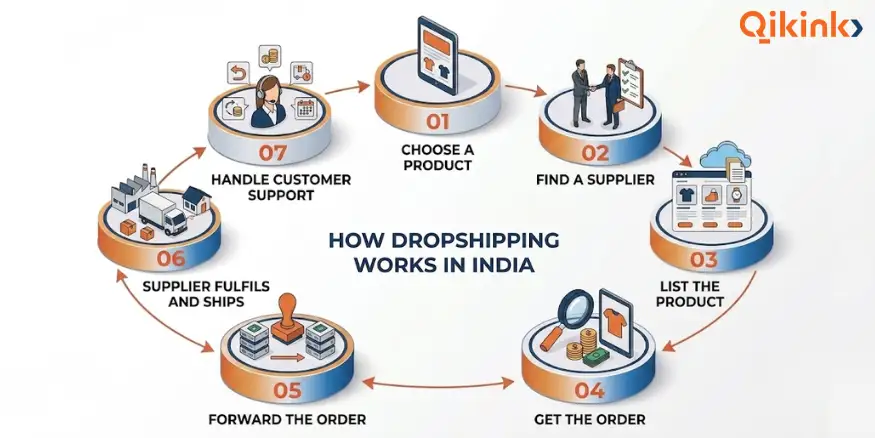
- Choose a product: Pick products with clear demand, healthy margins, and manageable shipping and return costs.
- Find a supplier: Check product quality, fulfilment speed, shipping coverage, return handling, and branding options.
- List the product: Add product images, descriptions, pricing, shipping details, and payment options to your store.
- Get the order: A customer places an order through your store and chooses prepaid payment or COD.
- Forward the order: Send the order details to your supplier and pay the required fulfilment cost.
- Supplier fulfils and ships: The supplier fulfils the order, dispatches it, and ships it directly to the customer.
- Handle customer support: You manage order updates, delivery problems, returns, refunds, and other customer requests.
New to dropshipping?
Learn how dropshipping works before choosing a niche or supplier
What is Dropshipping →
How to Start a Dropshipping Business in India?
A dropshipping business in India needs a clear plan for its products, customers, pricing, marketing, and expected profit. The following steps take the business from planning and product selection to launch, daily management, and growth.
Step 1: Create a Simple Business Plan
A business plan for dropshipping defines what you will sell, who you will sell to, how you will price it, and what you need to earn from each order. Before building the store, set clear targets for your niche, products, target customer, pricing, marketing budget, and profit.
Use the first version of your plan as a working document. Update your assumptions about demand, marketing costs, returns, and customer response as actual sales data becomes available.
Step 2: Choose a Profitable Niche and Products
A profitable dropshipping niche has clear customer demand, products that can support your selling price, and enough margin to cover the costs of fulfilling and acquiring each order. Start with a specific customer group, then choose products that match its needs and buying behaviour.
Research the niche using Google search trends, social media, marketplaces, and competitor stores. Before finalising products, check:
- Look for products people are actively searching for, discussing, or buying.
- Study competing stores, their prices, offers, product range, and customer reviews to find gaps you can target.
- Make sure the selling price leaves enough margin after fulfilment, shipping, payment fees, marketing, and returns or RTO.
- Choose products that solve a clear problem or match a strong customer preference.
- Avoid products that are fragile, difficult to ship, or likely to generate high return rates.
- Pick a niche with related products that can be added as the store grows.
Avoid choosing a product only because it is trending. A product can attract attention but still perform poorly if competition is high, margins are low, or customers frequently return it.
For an Indian store, also consider COD demand, delivery expectations, product size, and RTO risk before finalising the product range. After launch, use sales data to identify which products deserve more marketing investment and which should be removed.
Step 3: Define Your Brand and USP

A strong dropshipping brand gives a specific audience a clear reason to choose your store over competing sellers. Your niche, products, store design, product descriptions, and marketing should all communicate the same positioning.
Start by deciding what the brand should be known for. This could be a particular product style, a customer community, a design theme, personalisation, or a focused product range. The USP should be specific enough to appear in your product pages and marketing, not just sound good as a tagline.
For example, a store selling printed T-shirts can target a broad market or build its identity around a specific community. The second approach gives the store a defined audience and makes it easier to create relevant designs, content, and offers.
Choosing a Business Name
The business name should be easy to remember, spell, and pronounce. Check the domain name, social media handles, and existing trademarks before finalising it.
Keep the visual identity consistent across the store, product images, social media pages, and other customer-facing content. Customers should be able to recognise the brand without relying on the business name alone.
Most importantly, make sure the USP matches what the store actually delivers. A brand promising premium products, fast delivery, or personalised service needs its products and fulfilment process to support that promise.
Step 4: Choose a Reliable Supplier
A reliable dropshipping supplier affects product quality, delivery speed, customer satisfaction, and the profit you keep from each order. Compare fulfilment, shipping, returns, branding, and total order costs before choosing a supplier.
Before partnering with a supplier, check the actual service behind the product rather than comparing product prices alone. Look at:
- Product quality: Order samples and check the material, printing, sizing, finish, and packaging before listing the product.
- Fulfilment time: Confirm how long the supplier takes to process and dispatch an order after receiving it.
- Shipping: Check delivery coverage, shipping charges, tracking, and expected delivery times across your target locations.
- Returns and RTO: Find out how damaged, returned, refused, or undelivered orders are handled and who pays the associated costs.
- Branding: Check if the supplier supports white-label fulfilment and how your brand is presented to customers.
- Order management: Make sure orders, tracking details, and status updates can be handled accurately without unnecessary manual work.
- Total cost: Calculate product, fulfilment, shipping, and other supplier-related costs before setting your selling price.
Monitor these metrics after launch and switch or adjust suppliers if quality, fulfilment, delivery, or support consistently falls below your requirements.
Tip
For Indian dropshipping sellers, Qikink offers ₹0 deposit, no minimum order quantity, COD support, and white-label branding, with delivery coverage across 29,000+ pincodes in India.
Step 5: Set Up Your Store and List Products
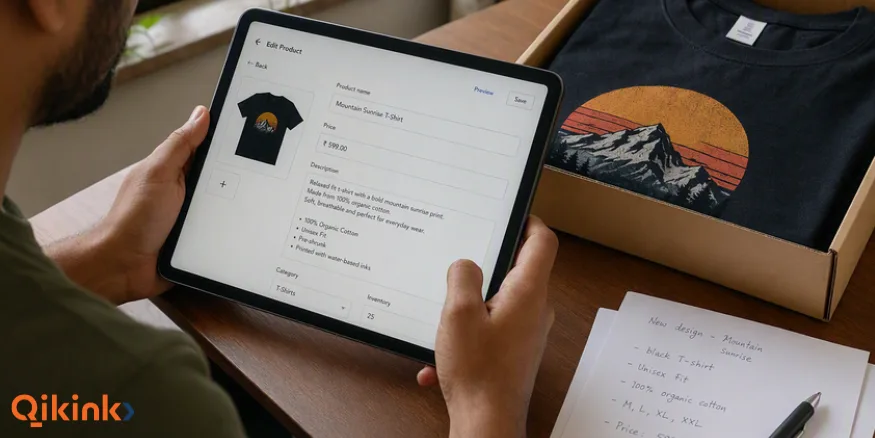
Set up your online store, add your products, configure payments and shipping, and test the complete buying process before launch. Your store does not need a complex design at this stage, but it must make products, pricing, delivery, and returns clear to customers.
Shopify offers a quick setup and integrates directly with Qikink. WooCommerce is a stronger fit if you want more control over your store and are comfortable with its technical setup.
Once you choose your platform, build the core parts of the store:
1. Store homepage:
Clearly communicate what you sell, who the products are for, and what makes your brand different.
2. Product pages:
Add clear product names, descriptions, images, prices, sizes or variants, and other details customers need before buying.
3. Navigation and collections:
Group related products logically so customers can browse the store without unnecessary clicks.
4. Shipping information:
Show delivery timelines, shipping charges, and available payment options, including COD if you offer it.
5. Return and refund policies:
Explain the conditions for cancellations, returns, refunds, and replacements before customers place an order.
6. Contact information:
Provide a clear way for customers to contact you about orders, delivery issues, or product-related questions.
Display the final selling price, shipping charges, delivery timeline, and available payment options clearly before checkout. Keep the catalogue relevant to your niche instead of adding every product available from your supplier. A focused catalogue makes it easier to organise the store, maintain consistent branding, and identify which products deserve promotion.
Before launching, place a test order and go through the entire customer journey. Check the product page, cart, checkout, payment, order confirmation, shipping updates, and customer notifications to catch problems before real customers encounter them.
Step 6: Choose a Payment Gateway
Choose a payment gateway that supports the payment methods your Indian customers use, including UPI, cards, and wallets. You should also decide if your store will offer COD, as COD affects order management and RTO.
Choose a gateway that works with your ecommerce platform and offers a straightforward settlement process. Check its transaction charges, supported payment methods, settlement timelines, and integration requirements before activating it.
If you offer COD, confirm how the payment collection, fulfilment, settlement, and reconciliation process works with your supplier before accepting orders.
Before accepting live orders, verify that:
- UPI, cards, and other selected payment methods work correctly.
- The gateway integrates with your ecommerce platform.
- Transaction charges and settlement timelines are clearly defined.
- COD is available if you plan to offer it.
- Customers receive confirmation after a successful payment.
Start with the payment methods your customers are most likely to use. You can add more options later based on actual order and payment data.
Step 7: Market Your Store
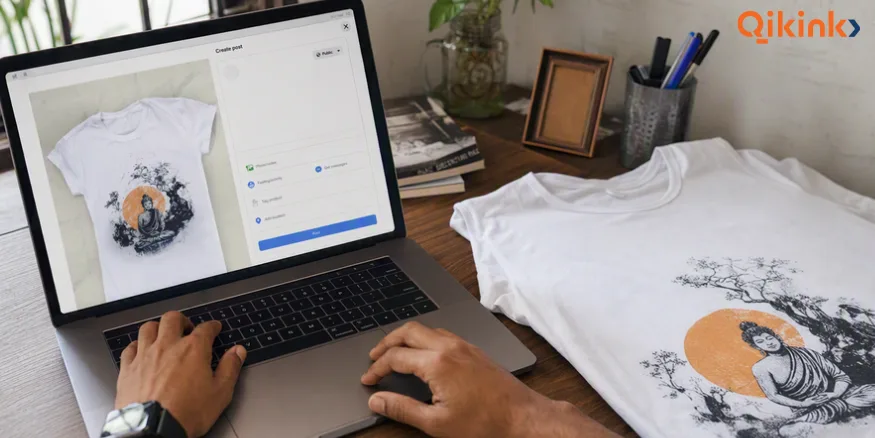
Market your dropshipping store through a mix of organic content, paid advertising, social media, influencer collaborations, and search traffic. Start with the channels most relevant to your niche and use actual sales data to decide where to increase your budget.
- Social media: Build your presence on platforms where your target customers spend time. Post product images, short videos, demonstrations, customer content, and offers that give people a reason to visit your store.
- Paid advertising: Use platforms such as Meta and Google to test products and audiences. Start with a controlled budget and track conversions, customer acquisition cost, and profit instead of judging campaigns only by clicks or impressions.
- Influencer marketing: Work with creators who have an audience that matches your niche. Smaller creators can be useful for testing products, especially when their audience is closely aligned with your target customer.
- SEO and content: Create useful pages around products and customer searches. Product guides, comparisons, buying guides, and answers to common questions can bring visitors without paying for every click.
- Repeat marketing: Use email or WhatsApp, with customer consent, for product launches, offers, and repeat purchases. Existing customers can cost less to reach than acquiring new ones.
Do not spread your budget across every channel from the beginning. Test a few relevant options, identify where profitable orders come from, and put more resources into those channels as your store grows.
Step 8: Manage Your Store Day-to-Day
Once your store is live, your focus shifts from setting it up to keeping orders, customers, and fulfilment running smoothly. Regular checks help you catch delivery issues, returns, and product problems before they affect more customers.
For daily reviews:
- New orders
- Payment status
- Fulfilment and tracking updates
- Customer queries
- Delayed deliveries and NDRs
- RTO cases
For weekly reviews:
- Sales and order volume
- Product performance
- Returns and RTO rates
- Customer feedback and reviews
- Marketing spend and results
- Supplier fulfilment issues
For monthly reviews:
- Overall revenue and profit
- Fulfilment and shipping costs
- Supplier performance
- Product catalogue
- Pricing and offers
- Marketing budget and channel performance
Use these reviews to identify what needs fixing, what is performing well, and what can be scaled.
Note:
Keep checking product availability with your supplier, especially for products you actively promote. Stockouts or capacity issues can delay fulfilment and affect customer experience.
Step 9: Scale It Up
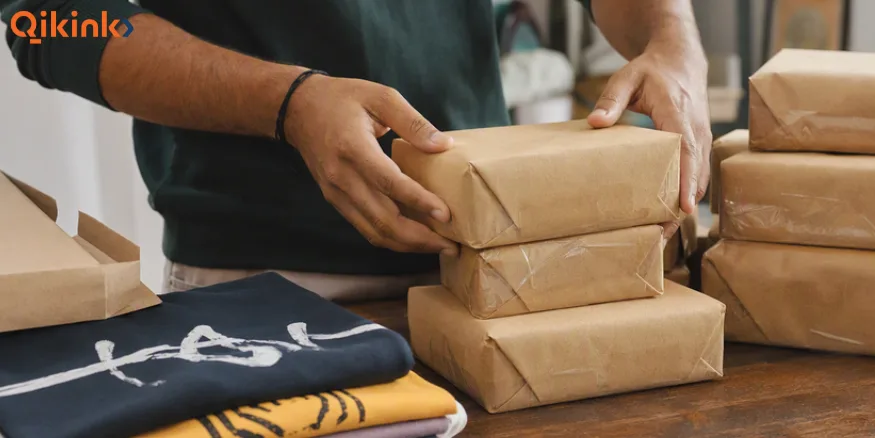
Once you have consistent sales, scale by focusing more resources on the products, customers, and marketing channels that are already performing well. Increase order volume gradually, automate repetitive tasks, and make sure your fulfilment process can handle higher demand.
Follow the 80/20 Rule
Use your sales data to identify the best dropshipping products, along with the customers and marketing channels generating the most revenue and profit. Focus your time and budget on these areas instead of treating every product or channel equally.
Automate Repetitive Tasks
As your order volume grows, automate routine tasks such as order processing, tracking updates, customer notifications, and reporting. This reduces manual work and gives you more time to focus on product selection, customer experience, and business growth.
Scale What Works
Increase marketing spend on profitable products, add related products for existing customers, and expand into channels that consistently generate orders. Scale gradually while monitoring margins, fulfilment capacity, delivery performance, and customer feedback.
Growth should follow proven results, not just higher order numbers. A product that sells well but has low margins, high RTO, or frequent customer complaints should be improved before you invest more in it.
Research Products & Scale
Find niches, analyse trends, and optimise your store for maximum sales
Product Research Tools →
Dropshipping Best Practices
Effective dropshipping practices protect margins, control COD and RTO, verify product quality, set clear customer expectations, and use sales data to improve the store. In India, COD, delivery performance, and returns can directly affect the profit you keep from each order.
Protect Your Profit Margin
Calculate your profit using the full cost of an order, not just the product or supplier cost. Include fulfilment, shipping, payment gateway fees, discounts, marketing, and expected returns or RTO.
“Profit per order = Selling price − fulfilment cost − shipping − payment fees − marketing cost − discounts − expected returns/RTO cost“
A product can generate strong revenue and still produce a low profit if customer acquisition, delivery, or return costs are too high.
Keep COD and RTO Under Control
COD gives customers another payment option, but failed deliveries can increase shipping, fulfilment, and return costs. Show accurate delivery timelines, verify high-value COD orders when appropriate, and monitor NDR and RTO by product, customer location, and courier.
RTO can be particularly significant for COD-heavy fashion and apparel stores in India. ClickPost’s FY2026 data reports a typical RTO range of 21%–32% for fashion and apparel brands with COD-heavy orders. Use this as a benchmark when evaluating your own performance, and work toward a lower RTO by improving address verification, COD confirmation, delivery communication, and courier performance.
Track your RTO rate by product, customer location, payment method, and courier to identify where failed deliveries are increasing your costs.
Order Samples Before Selling
Order samples before selling so you can check product quality, sizing, printing, packaging, and other details that supplier photos may not reveal.
Set Clear Customer Expectations
Show accurate product information, delivery timelines, payment options, and return conditions before checkout. Do not promise delivery speeds or product features that your fulfilment partner cannot consistently provide.
Clear expectations can help reduce avoidable cancellations, complaints, and returns.
Use Sales Data to Improve the Store
Set a fixed review point, weekly or monthly, rather than checking data only when something feels wrong. Problems like a rising RTO rate or a fading product are usually visible in the numbers weeks before they show up as a drop in orders.
Focus on profitable orders rather than order volume alone. A product with fewer sales, stronger margins, and lower RTO can be more valuable than a high-volume product that frequently loses money.
Common Dropshipping Mistakes to Avoid
Common dropshipping mistakes can reduce profit, increase returns, and create customer service problems. Most are avoidable by checking product economics, monitoring order data, and improving fulfilment as the store grows.
- Choosing products without checking demand and margins: A product can look promising and still fail because demand is weak, competition is high, or the margin cannot support customer acquisition costs. Check the product economics before spending on marketing.
- Skipping product samples: Supplier photos may not reveal problems with quality, sizing, printing, or packaging. Order samples before launch and resolve issues before customers receive the product.
- Ignoring COD and RTO: Treating every COD order as completed revenue can make your store’s performance look better than it actually is. A store can appear profitable from its order revenue while still losing money once RTO and reverse shipping costs are accounted for.
- Pricing without calculating total costs: A selling price above the supplier cost does not guarantee profit. Calculate fulfilment, shipping, payment fees, marketing, discounts, and expected returns or RTO before setting the price.
- Relying on one product or marketing channel: Depending on a single product, platform, or traffic source can make the business vulnerable to changes in demand or advertising performance. Test related products and relevant marketing channels as the store grows.
- Ignoring sales and customer data: Revenue and order volume do not show which products are actually profitable. Review product-level sales, advertising costs, returns, RTO, and customer feedback regularly.
- Scaling before operations are ready: More advertising can create more orders than your supplier or customer support process can handle. Check fulfilment capacity, tracking, delivery performance, and margins before increasing order volume.
- Neglecting customer complaints: Delayed responses to delivery issues, refunds, damaged products, or other complaints can lead to poor reviews and lost customers. Resolve problems quickly and use recurring complaints to identify issues with products, suppliers, couriers, or store policies.
- Treating the supplier as the entire business: A reliable supplier can pack and ship a perfect product, but a slow reply to a delivery complaint or an inaccurate product description on your store is still your mistake, not theirs.
Pros and Cons of Dropshipping in India
Dropshipping in India allows products to be sold without holding inventory upfront, but profitability depends on fulfilment, marketing, shipping, payment fees, and returns.
Pros of Dropshipping
- Low inventory investment compared with traditional retail.
- No warehouse space or bulk stock purchases needed.
- Lower financial risk when testing new products.
- Easy to add or remove products based on demand.
- Flexible product catalogue across categories.
- White-label fulfilment options for branded stores.
- Fulfilment partners handle production, packing, and shipping.
- Easier to scale operations as order volume increases.
Cons of Dropshipping
- Dependence on suppliers for product quality and fulfilment.
- Limited control over packing, dispatch, and delivery.
- COD orders can increase RTO and related shipping costs.
- Marketing and customer acquisition costs can reduce margins.
- Returns, refunds, and customer support remain your responsibility.
- Product quality issues can lead to complaints and returns.
Is Dropshipping Profitable in India?
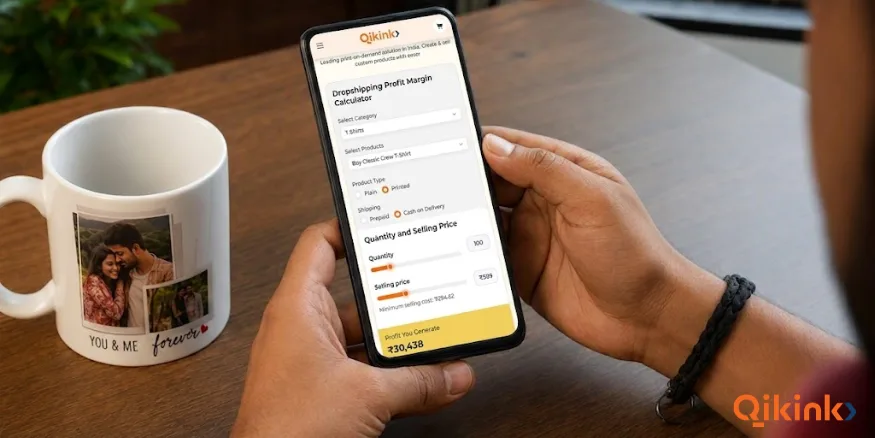
Dropshipping can be profitable in India when the amount earned from each order is enough to cover fulfilment, shipping, marketing, payment fees, and returns or RTO. Profitability depends on product selection, pricing, supplier performance, customer acquisition costs, and order volume. Products with strong demand and manageable fulfilment and return costs give sellers more room to maintain healthy margins.
For example, assume a store sells 200 customised mugs at ₹299 each and the product and printing cost is ₹115 per mug. After the product and printing cost, ₹36,800 remains before shipping, payment fees, marketing, discounts, and returns or RTO.
Similarly, if 500 customised hard clear phone cases are sold at ₹399 each and the product and printing cost is ₹220 per case, ₹89,500 remains before shipping, payment fees, marketing, discounts, and returns or RTO.
These figures are not final business profit. Shipping, payment fees, marketing, discounts, and returns or RTO still need to be accounted for. Other business operating expenses must also be considered when calculating overall business profit.
Can You Start a Dropshipping Business With No Money?
Starting a dropshipping business does not require buying inventory upfront, and some free or low-cost tools can reduce initial setup expenses. However, working capital is still needed for costs such as samples, fulfilment, refunds, marketing, or other operating expenses.
The key distinction is no inventory investment versus no business cost. Dropshipping reduces the amount of money tied up in stock, making it possible to test products without purchasing bulk inventory first.
How Much Does It Cost to Start a Dropshipping Business in India?
The cost depends on the platform, supplier, marketing strategy, and tools you choose. Instead of using a fixed startup figure, plan for these core expenses:
- Store: Platform subscription and domain costs.
- Products: Sample orders to check quality before selling.
- Fulfilment: Product, printing, packing, and shipping costs charged per order.
- Payment processing: Transaction fees on prepaid orders.
- Marketing: Paid ads, influencer campaigns, content, or other customer acquisition costs.
- Returns and RTO: Reverse shipping and related costs, especially for COD orders.
- Business operations: Customer support, software, accounting, and other tools.
You can keep initial costs low by starting with a small product range, ordering samples selectively, using organic marketing, and avoiding unnecessary software subscriptions. However, keep enough working capital to fulfil orders and handle refunds or RTO before sales become consistent.
Legal Requirements for a Dropshipping Business in India
A dropshipping business in India can operate as a sole proprietorship, partnership firm, LLP, or private limited company. GST registration depends on factors such as turnover, products, and sales channels, while proper banking, invoicing, and record-keeping help keep the business compliant.
GST Registration
GST registration is not automatically required for every dropshipping business. For suppliers of goods, the general GST registration threshold is ₹40 lakh in most states, while the general threshold for services is ₹20 lakh. Lower thresholds and compulsory-registration rules can apply in certain states or to particular activities and sales channels, so check the GST rules applicable to your business before starting sales.
You should also maintain a separate business banking setup and keep records of sales, fulfilment costs, shipping, payment gateway charges, refunds, and other business expenses. If you offer COD, record COD collections, settlements, refunds, and RTO charges separately.
Some products may have additional tax, labelling, safety, or licensing requirements. If you source products internationally, you may also need an Importer Exporter Code (IEC), depending on your sourcing model.
Skills Needed for Dropshipping
A dropshipping business does not require a specific degree or qualification to start. The most useful skills are product research, basic marketing, pricing, customer service, order management, and reading sales data.
Comfort with an ecommerce platform, supplier communication, customer queries, and cost tracking also helps. These skills can be developed while running the store rather than needing to exist beforehand.
Want to Learn More?
See the courses that other sellers use to learn the dropshipping process faster
Best Dropshipping Courses →
Frequently Asked Questions
1. How Long Does It Take to Start a Dropshipping Business in India?
2. How to Register a Dropshipping Business in India?
3. How to Make Money in Dropshipping?
4. How Can You Grow a Dropshipping Business After Getting Sales?
5. What Do You Need to Start a Dropshipping Business in India?
6. Is Dropshipping Easy to Start in India?
7. What Is the Best Way to Dropship in India?
Final Thoughts
Building a profitable dropshipping business in India depends on more than listing products online. The strongest stores combine focused product selection, reliable fulfilment, sound pricing, clear customer communication, and consistent attention to sales and operating data.
Once your store is live, use sales, margin, fulfilment, delivery, and RTO data to decide what to improve and what to scale. This keeps growth based on actual business performance, not order volume alone.
Start Your Dropshipping Business With Qikink
Qikink lets you start without holding inventory or paying a deposit. You choose the products you want to sell and set your selling price, while Qikink handles printing, packing, and shipping under your brand, with COD support across India.
Start Today With Qikink →Read More
- Dropshipping Legal Requirements in India
- Dropshipping Ads and Advertising Guide
- Reverse Dropshipping: How It Works
- B2B Dropshipping In India: How to Start
- Guide to Build Your Branded Dropshipping
Share the Article


