Qikink

The Complete Guide

11 Printing Types Explained: DTG, DTF, Puff & More

Understand every custom printing method, how it works, how long it lasts, and which one is right for you. Tested and compared across 10 years of in-house printing experience.

10+ Print Methods · Durability & Wash Life · Best Suited Products

All under 1 Roof
Since 2016
On-demand print
11 Printing Types Explained: DTG, DTF, Puff & More - image

AS FEATURED IN

Fortune IndiaThe HinduBusiness StandardZee BusinessYour StoryMedium
Business Insider
Fortune IndiaThe HinduBusiness StandardZee BusinessYour StoryMedium
Business Insider
The Basics

What Are the Different Types of Printing?

"

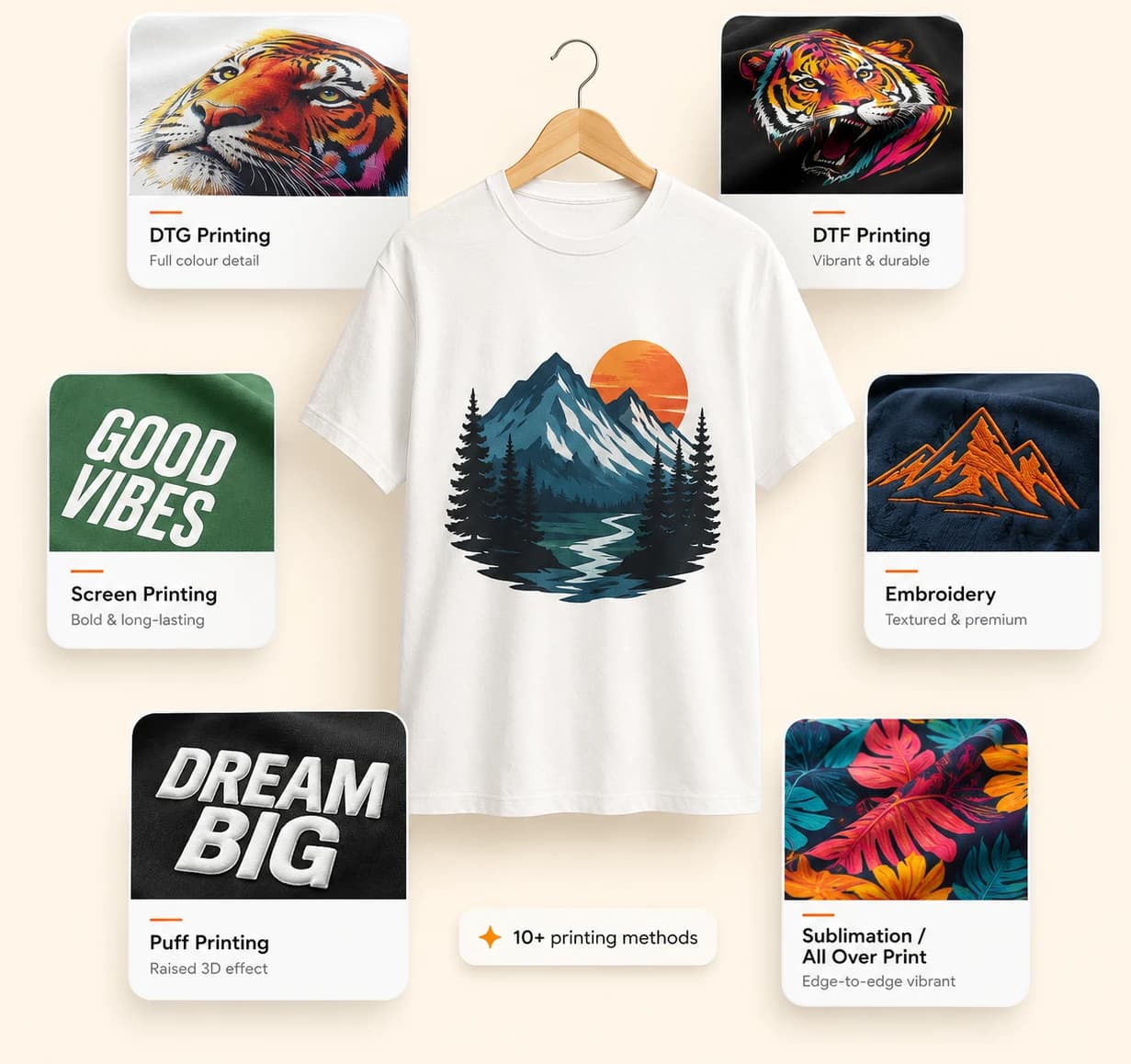
There are two broad families of custom printing: printing onto fabric and printing onto hard products. For fabric, the most common methods are DTG, DTF, sublimation, screen, embroidery, and puff.

For hard products like bottles, phone cases, wood and metal, the main methods are UV and laser engraving.

The right method depends on three things: your fabric or material, your design (photographic vs solid colour), and your order quantity.

10+ methods in-houseNo MOQ on most methods5M+ orders printed

Fabric & material

Cotton favours DTG and screen print. Polyester needs sublimation. Mixed fabrics and dark colours favour DTF. Hard goods need UV or engraving.

Design complexity

Photographic, gradient and full-colour art needs DTG or DTF. Solid logos, names and numbers suit screen print, puff or embroidery.

Order quantity

One-offs and print-on-demand suit DTG and DTF (no setup, no MOQ). Large identical runs are cheapest per unit with screen printing.

At a glance

Printing Methods Compared

A side-by-side comparison of durability, minimum order, best fabric and finish across every method.

Method
Best for
Works on
Full colour?
Feel
Durability
Min order
DTG
Detailed, photographic designs
100% cotton, light colours
Yes
Soft, no-feel
40-50 washes
1 piece
DTF
Any fabric, dark garments
Cotton, poly, blends, dark
Yes
Slight film
40-50 washes
1 piece
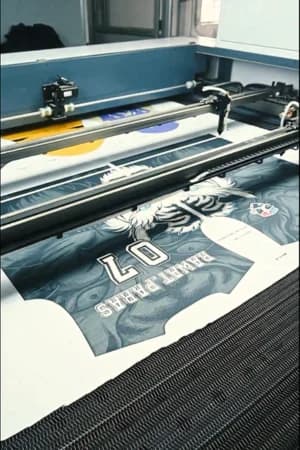
All over print (sublimation)
Edge-to-edge, vibrant prints
Light polyester / poly-blend
Yes
None (in-fabric)
Permanent
1 piece
Screen printing
Bulk orders, 1-4 solid colours
Cotton, blends
Limited
Slight raised
50+ washes
Bulk (MOQ)
Embroidery
Logos, premium branding
Most fabrics, caps, polos
Thread colours
Raised stitch
Lifetime
1 piece
Puff printing
Streetwear, bold logos
Cotton, blends
Limited
Raised 3D
40-50 washes
1 piece
Vinyl (HTV)
Names, numbers, solid graphics
Cotton, poly, blends
Solid colours
Smooth layer
30-50 washes
1 piece
Glow in the dark
Novelty, event & kids wear
Cotton, blends
Limited
Slight layer
25-40 washes
1 piece
Reflective printing
Safety, activewear, fashion
Cotton, poly, blends
Solid / grey
Smooth layer
25-40 washes
1 piece
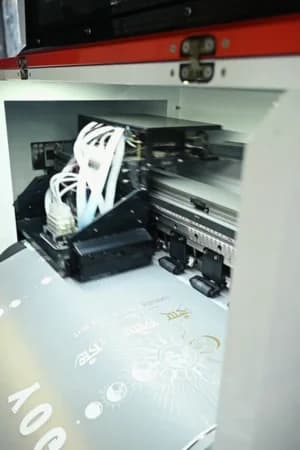
UV printing
Hard products, flat surfaces
Cases, bottles, wood, acrylic
Yes
Slight raised
Scratch-resistant
1 piece
Laser engraving
Premium hard goods
Metal, wood, acrylic, leather
No (etched)
Etched
Permanent
1 piece
!

Durability figures are typical industry ranges with proper garment care.

Method by method

Every Printing Method, Explained

What it is, how it works, how long it lasts, the products it suits best, and the honest trade-offs.

Method 01

Direct to Garment (DTG) Printing

Direct to Garment

Direct to Garment (DTG) Printing

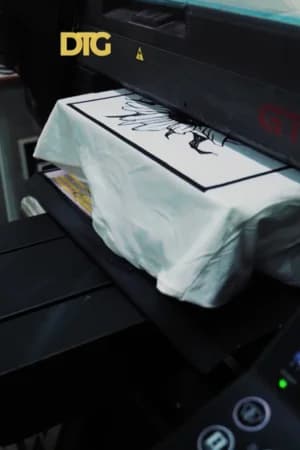
DTG printing works like an inkjet printer for fabric. Water-based ink is sprayed directly into the fibres of the garment, reproducing photographic, full-colour and highly detailed designs with a soft, no-feel finish.

How DTG works?

The garment is loaded onto a platen and pre-treated so the ink bonds properly. A specialised inkjet printer lays the design directly onto the fabric, and a heat press or dryer cures the ink so it sets permanently into the fibres. No screens, films or setup are required, which makes it ideal for single pieces and print on demand.

Durability

40-50 washes

Best fabric

100% cotton, light colours

Best for

Detailed & photo designs

Pros
  • Unlimited colours & photographic detail
  • Soft, breathable, no-feel finish
  • No setup cost, no minimum order
Trade-offs
  • !Best on cotton; weaker on polyester
  • !Needs white underbase on dark fabric
  • !Slower per unit for large runs
Read the DTG glossary entry

Method 02

Direct to Film (DTF) Printing

Direct to Film

Direct to Film (DTF) Printing

DTF printing prints your design onto a special PET film, coats it with a hot-melt adhesive powder, then heat-presses the film onto the fabric. Because the design bonds through adhesive rather than into the fibres, DTF works on almost any fabric, cotton, polyester, blends and dark garments.

How DTF works?

The design is printed in reverse onto a PET film with CMYK plus white ink. Adhesive powder is applied to the wet ink and melted, then the film is heat-pressed onto the garment and peeled away, leaving a bright, flexible print. The white ink base is what keeps colours vivid even on black fabric.

Durability

40-50 washes

Best fabric

Any including cotton & polyester

Best for

Versatile, vivid prints

Pros
  • Works on virtually any fabric & colour
  • Bright, opaque, full-colour prints
  • Great stretch & wash durability
Trade-offs
  • !Slight film feel on top of fabric
  • !Less breathable than DTG
  • !Large solid areas can feel heavier
Read the DTF glossary entry

Method 03

All Over Printing (Sublimation)

All Over Print · Sublimation

All Over Printing (Sublimation)

All over printing uses dye sublimation: heat turns solid dye into gas that permanently bonds with polyester fibres, colouring the entire garment edge to edge, including seams and sleeves. The colour becomes part of the fabric, so it never cracks, peels or fades.

How does all-over print work?

The design is printed onto transfer paper with sublimation inks, then heat-pressed against polyester fabric at high temperature. The ink converts directly from solid to gas and embeds into the fibres. For true all-over garments, panels are printed flat and then cut and sewn together, the reason it is also called cut-and-sew printing.

Durability

Permanent (in-fabric)

Best fabric

Light polyester / blends

Best for

Edge-to-edge designs

Pros
  • Full-garment, edge-to-edge coverage
  • Never cracks, peels or fades
  • Zero hand-feel - breathable
Trade-offs
  • !Only works on polyester fabrics
  • !Does not work on dark garments
  • !Cut-and-sew adds production time
Read the all over print glossary

Method 04

Screen Printing

Screen / Silk Printing

Screen Printing

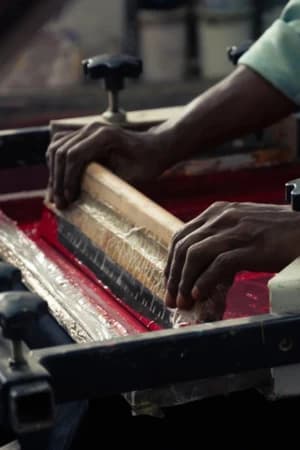
Screen printing pushes thick ink through a fine mesh stencil, one screen per colour, to lay a bold, durable layer of ink onto the fabric. It is the most cost-effective method for large quantities of the same design in a few solid colours.

How does screen printing work?

A separate mesh screen is created for each colour in the design. Ink is pressed through the open areas of each screen onto the garment, then cured with heat. The upfront screen setup makes small orders expensive, but once set up, the per-unit cost drops sharply, which is why it dominates bulk apparel.

Durability

50+ washes

Best fabric

Cotton & blends

Best for

Bulk, 1-4 solid colours

Pros
  • Cheapest per unit at high volume
  • Thick, vivid, long-lasting colour
  • Excellent on cotton
Trade-offs
  • !Setup cost & minimum order quantity
  • !Limited colours; not for photos
  • !Not suited to print on demand
Screen printing vs embroidery guide

Method 05

Embroidery

Embroidery

Embroidery

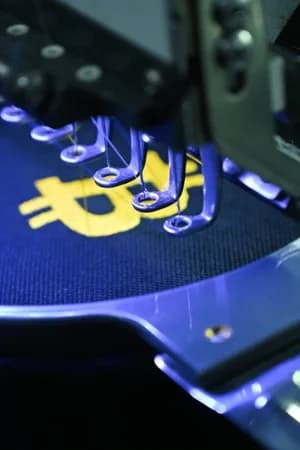
Embroidery stitches the design directly into the fabric using coloured thread rather than ink, giving a premium, textured, raised finish that outlasts the garment itself. It is the gold standard for logos on polos, caps, jackets and workwear.

How does embroidery works?

The artwork is first digitised into a stitch file that tells the embroidery machine the path, density and colour of every stitch. The machine then sews the design into the fabric with thread. Because there is no ink to fade or crack, embroidery is effectively permanent. But fine detail and gradients are limited by thread.

Durability

Lifetime of garment

Best fabric

Polos, caps, jackets

Best for

Premium logos & branding

Pros
  • Premium, high-perceived-value finish
  • Extremely durable - never fades
  • Works on thick fabrics & caps
Trade-offs
  • !Not for photos, gradients or fine detail
  • !Higher cost per piece
  • !Needs a digitised stitch file
Embroidery getting-started guide

Method 06

Puff Printing

Puff / 3D Printing

Puff Printing

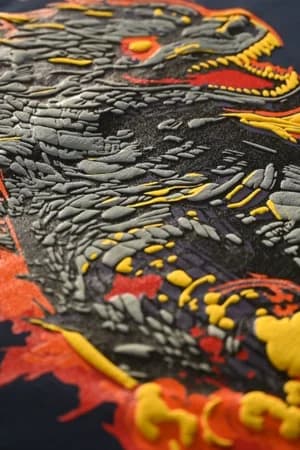
Puff printing is a raised, 3D print created with a special ink or DTF that expands with heat, giving the design a soft, foam-like texture that stands off the fabric. It is a signature streetwear look for logos and bold typography.

How does puff print work?

A puff additive is mixed into the ink (or a puff DTF transfer is used). When heat is applied, the ink expands and rises off the surface, creating a tactile, embossed effect. It works best with bold, simple shapes and thick lettering rather than fine detail.

Durability

40-50 washes

Best fabric

Cotton & blends

Best for

Streetwear, bold logos

Pros
  • Eye-catching raised 3D texture
  • Premium streetwear aesthetic
  • Available on demand, no MOQ
Trade-offs
  • !Not suited to fine detail or photos
  • !Needs gentle washing to keep loft
  • !Limited colour count per design
Read the puff print glossary

Method 07

Vinyl (HTV) Printing

Vinyl / HTV

Vinyl (HTV) Printing

Vinyl printing cuts your design out of coloured heat-transfer vinyl (HTV) and heat-presses it onto the garment. It produces crisp, solid-colour graphics and is the standard for names, numbers and simple text on jerseys and team wear.

How HTV works?

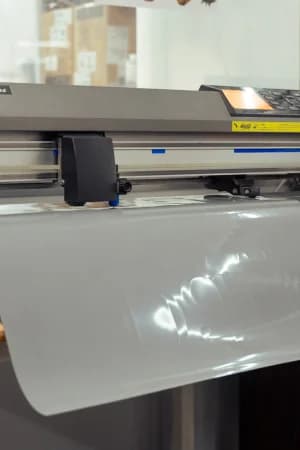
A plotter cuts the design from a sheet of coloured vinyl, the excess is weeded away, and the remaining design is heat-pressed onto the fabric. Each colour is a separate layer of vinyl, so it is ideal for one or two solid colours but impractical for complex, multi-colour art.

Durability

30-50 washes

Best fabric

Cotton, poly, blends

Best for

Names, numbers, text

Pros
  • Crisp, vivid solid colours
  • Great for personalisation (names/numbers)
  • Works on many fabrics
Trade-offs
  • !Not for photos or gradients
  • !Can peel or crack if washed harshly
  • !Heavier feel on large designs
Vinyl t-shirt printing guide

Method 08

Glow in the Dark Printing

Glow in the Dark

Glow in the Dark Printing

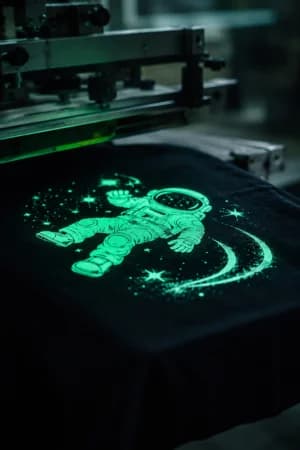
Glow in the dark printing uses phosphorescent ink or vinyl that absorbs light and re-emits it in darkness. The design looks normal in daylight and glows for a period after the lights go out. Popular for novelty, event and kids' apparel.

How glow in dark print works?

Photoluminescent pigment is applied via screen print, DTF or vinyl. It charges under bright light (sunlight or a lamp) and then releases a soft glow in the dark. The brighter and longer the charge, the stronger and longer the glow.

Durability

25-40 washes

Best fabric

Cotton & blends

Best for

Novelty, events, kids

Pros
  • Standout novelty & gifting appeal
  • Normal look by day, glow by night
  • Combines with other print methods
Trade-offs
  • !Glow fades within minutes without recharge
  • !Fewer colour options
  • !Needs gentle washing to last

Method 09

Laser Engraving

Laser Engraving

Laser Engraving

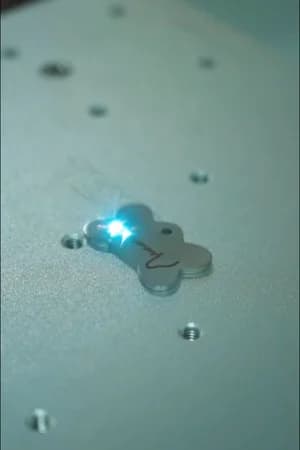
Engraving uses a laser to etch the design permanently into the surface of hard materials such as metal, wood, acrylic and leather - removing a thin layer of material rather than adding ink. The result is subtle, premium and effectively permanent.

How does engraving work?

A laser burns or vaporises a precise layer of the material along the design path, leaving a permanently etched mark. There is no ink or thread, so nothing can fade, peel or wash off. It is ideal for premium hard products like bottles, wooden coasters, keychains and metal accessories.

Durability

Permanent

Best material

Metal, wood, acrylic

Best for

Premium hard goods

Pros
  • Permanent - never fades or peels
  • Premium, tactile finish
  • Precise, high-detail marking
Trade-offs
  • !Only single-tone (no colour)
  • !Limited to hard materials
  • !Not for fabric or apparel

Method 10

UV Printing

UV Printing

UV Printing

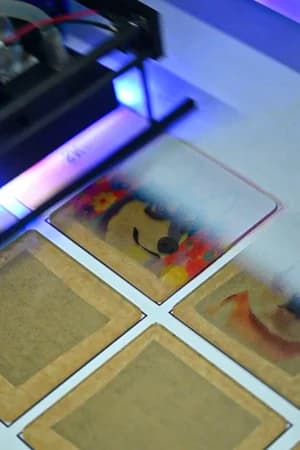
UV printing jets ink onto a surface and instantly cures it with ultraviolet light, bonding a durable, full-colour, slightly raised image onto hard, flat products like phone cases, bottles, wood and acrylic.

How UV printing works?

As the printhead lays down ink, UV lamps immediately harden it before it can spread. Because the ink cures instantly, it sits crisp on non-porous surfaces and resists scratching and water. It is the go-to method for full-colour designs on hard products that fabric methods can't handle.

Durability

Scratch-resistant

Best material

Cases, bottles, wood

Best for

Full colour on hard goods

Pros
  • Full colour on non-fabric surfaces
  • Durable, scratch- & water-resistant
  • Sharp detail, no minimum order
Trade-offs
  • !Only for hard, flat-ish surfaces
  • !Not for apparel
  • !Can chip on high-flex items over time
Read the UV printing glossary

Method 11

Reflective Printing

Reflective Printing

Reflective Printing

Reflective printing applies a reflective ink or vinyl that bounces light back toward its source, so the design lights up brightly when hit by headlights or a torch. It is used for safety wear, activewear and a distinctive fashion effect.

How does reflective printing work?

Reflective transfer film or ink containing microscopic glass beads is heat-pressed or printed onto the garment. In daylight it appears grey or muted; in low light, any direct beam reflects back, making the wearer highly visible. It pairs well with running, cycling and night-event apparel.

Durability

25-40 washes

Best fabric

Cotton, poly, blends

Best for

Safety & activewear

Pros
  • High visibility & safety appeal
  • Striking light-up fashion effect
  • Works on many fabrics
Trade-offs
  • !Mostly single-tone (grey/silver)
  • !Reflectivity dulls with harsh washing
  • !Not for fine detail

Decision guide

How to Choose the Right Printing Method?

Start from what you're printing and what you need most. Here's the fastest path to the right method.

01

Detailed, full-colour design on cotton

Choose DTG. Soft finish, unlimited colours, no minimum order - perfect for photographic art on cotton tees.

02

Dark garments or mixed fabrics

Choose DTF. Its white ink base keeps colours bright on black, polyester and blended fabrics alike.

03

Edge-to-edge or all-over design

Choose sublimation (all over print) on light polyester - colour becomes part of the fabric and never fades.

04

Large bulk order, 1-3 colours

Choose screen printing. Lowest cost per unit at volume, with thick, long-lasting colour.

05

Premium logo on polos or caps

Choose embroidery. Stitched thread reads as premium and lasts the lifetime of the garment.

06

Names, numbers or team wear

Choose embroidery or HTV. Crisp solid colours, ideal for personalised text on jerseys.

07

Standout texture or streetwear look

Choose puff printing for a raised 3D finish that elevates bold logos and typography.

08

Bottles, phone cases or wood

Choose UV printing for full-colour, or laser engraving for a permanent premium etch.

09

Not sure yet?

Start with DTF or DTG on a cotton tee. Both are no-MOQ, print on demand, and cover most first designs. DTG vs DTF

Durability & care

How to Make Every Print Last Longer?

Wash care is the single biggest factor in how long a print lasts. The figures on this page assume proper care. Follow these steps and prints reach the top of their range.

1

Wash cold, inside out

Turn the garment inside out and use a cold, gentle cycle. Cold water protects ink and thread far better than warm or hot.

2

Use mild detergent, no bleach

Harsh detergents, bleach and fabric softeners break down prints. A mild, dye-free detergent keeps colours true for longer.

3

Skip the dryer, air-dry

High dryer heat is the fastest way to crack a print. Air-dry in shade; direct sun can fade colours over time.

4

Never iron directly on the print

Iron inside out, or place a cloth over the design. Direct heat can melt or distort DTF, vinyl and puff prints.

Start printing under your own brand

Every method on this page runs in-house at Qikink - no inventory, no minimum order, shipped to 29,000+ pincodes across India. Pick a product, upload a design, and go live.

Printing Types - FAQs

Direct answers to the questions sellers and buyers ask most about printing methods.

DTF (Direct to Film) printing prints your design onto a special PET film using water-based inks, applies a hot-melt adhesive powder, then heat-presses the film onto the fabric. Because the design bonds through adhesive rather than into the fibres, DTF works on almost any fabric - cotton, polyester, blends, and dark garments - and produces bright, full-colour prints that typically last 50-60 washes with proper care.