
Table of Contents
What is Digital Printing?
Digital printing is a method in which a design is transferred directly from a digital file onto fabric using a specialised printer. The design is prepared on a computer and printed without using plates, screens, or a traditional printing setup.
This process of printing allows to create detailed art, multiple colours, and also complex designs to be reproduced accurately. As there is only a minimal setup involved, digital printing is widely used for short production runs, custom print on demand products, and modern textile printing.
How Digital Printing Works?
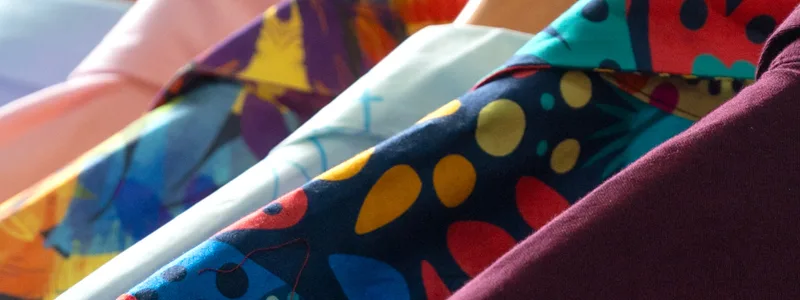
In the digital printing process, there are no screens made, no plates are prepared, and no colour separations are needed before printing begins. Each print can be different from the last without any additional setup or cost. The primary steps of the process of digital printing involve:
Design Creation:
The artwork or design is prepared digitally using any graphic design software.
File Preparation:
Design file is formatted and adjusted for printing, including size, colour settings, and resolution.
Printer Setup:
Materials, such as fabric or paper, are loaded into a digital printer designed for the specific printing surface.
Direct Printing:
The printer applies ink directly onto the material based on the digital design file.
Drying or Curing:
After printing, the material is processed to ensure the ink sets properly and the print remains durable.
This step-by-step process allows digitally created designs to be printed quickly and consistently without a complex setup.
What are the Types of Digital Printing?
Digital printing can be used on different materials depending on the printer and ink technology. Some common types of digital printing include:
1. Direct-to-Garment (DTG) Printing
In DTG, textile ink is printed directly onto the t-shirts or any finished garment through an inkjet-based printer.
2. Direct-to-Film (DTF) Printing
The design of the DTF printing is printed onto a coated film using textile inks, coated with adhesive powder, cured, and heat-pressed onto fabric.
3. Sublimation Printing
The dye sublimation printing method uses heat to convert dye into a gas, which bonds permanently with polyester fibres.
Learn about Direct to Garment (DTG)

4. Laser Printing
In this printing method, a laser beam draws the design onto a drum, which transfers it to the surface under heat.
5. UV Printing
This printing technique uses ultraviolet light to instantly cure ink, and it is commonly used for printing on rigid materials like acrylic, metal, or plastic.
6. Inkjet Textile Printing
Inkjet printing is the most widely used digital printing method, where ink is sprayed onto the surface in tiny droplets through a print head. This is used in DTG printers, large-format printers, and standard desktop printers.
What is a Digital Printing Machine?
Digital printing machines are specialised printers designed to print designs directly from digital files onto different materials. The type of machine used depends on the printing method and the surface being printed. Some of the common digital printing machines are,
- DTG printers
- DTF printers
- Dye sublimation printers
- UV printers
- Large-format inkjet printers
These machines allow businesses to produce customised prints with speed and accuracy, making digital printing widely used in modern apparel and print-on-demand production.
Offset Printing vs Digital Printing vs Screen Printing
|
Feature
|
Offset Printing
|
Digital Printing
|
Screen Printing
|
|---|---|---|---|
|
Printing Process
|
Uses printing plates and rollers.
|
Design printed directly from digital files.
|
Ink pushed through stencil screens.
|
|
Setup Requirement
|
Plates required before printing.
|
Minimal setup is just required.
|
Separate screens are required for each colour.
|
|
Design Complexity
|
Mainly used for paper printing.
|
Ideal for detailed and multicoloured designs.
|
Best for simple designs.
|
|
Production Quantity
|
Best for high-volume printing.
|
Ideal for small orders and custom prints.
|
Efficient for bulk garment printing.
|
|
Common Applications
|
Books, magazines, newspapers.
|
Custom T-shirt printing and merchandise.
|
Bulk T-shirt printing.
|
Does Digital Printing Support on Fabric?
Digital printing on fabric refers to textile designs produced using digital textile printing technology. Specialised printers apply textile inks directly onto fabric, allowing intricate patterns, gradients, and detailed graphics to be reproduced clearly.
Digital fabric printing is widely used in fashion and apparel manufacturing because it supports both custom and small-batch production. It allows sellers to access fashionable, patterned textiles with branded merchandise and promotional clothing.
How is Digital Printing Used in Custom Apparel?
Digital printing has become an essential technology in modern apparel production because it enables clothing brands to create customised products without large minimum order quantities. This approach supports flexible product creation and on-demand production.