Start a Clothing Brand: Your Label, Zero Inventory
Start your clothing brand from scratch. No fashion background needed. Sell online under your own label, from streetwear to luxury, with branded packaging.
₹0 to launch · 350+ Custom Products · 25,000+ Brands
AS FEATURED IN


How Do You Start a Clothing Brand Without Inventory?
You start a clothing brand without inventory by using a print on demand model using Qikink. We prints and ships each product only after a customer places an order, so you never manufacture in bulk before you know what sells.
You control the niche, designs, storefront, pricing, and customer experience. Qikink handles production and fulfilment in the background.
This is the practical way to launch in India without committing capital upfront. Test designs, sizes, and niches first. Scale up only once you know what your audience actually buys.
No inventory lock-in
Products are printed only after a customer orders, not stocked in advance. You never risk capital on unsold garments sitting in a warehouse.
Your brand on every order
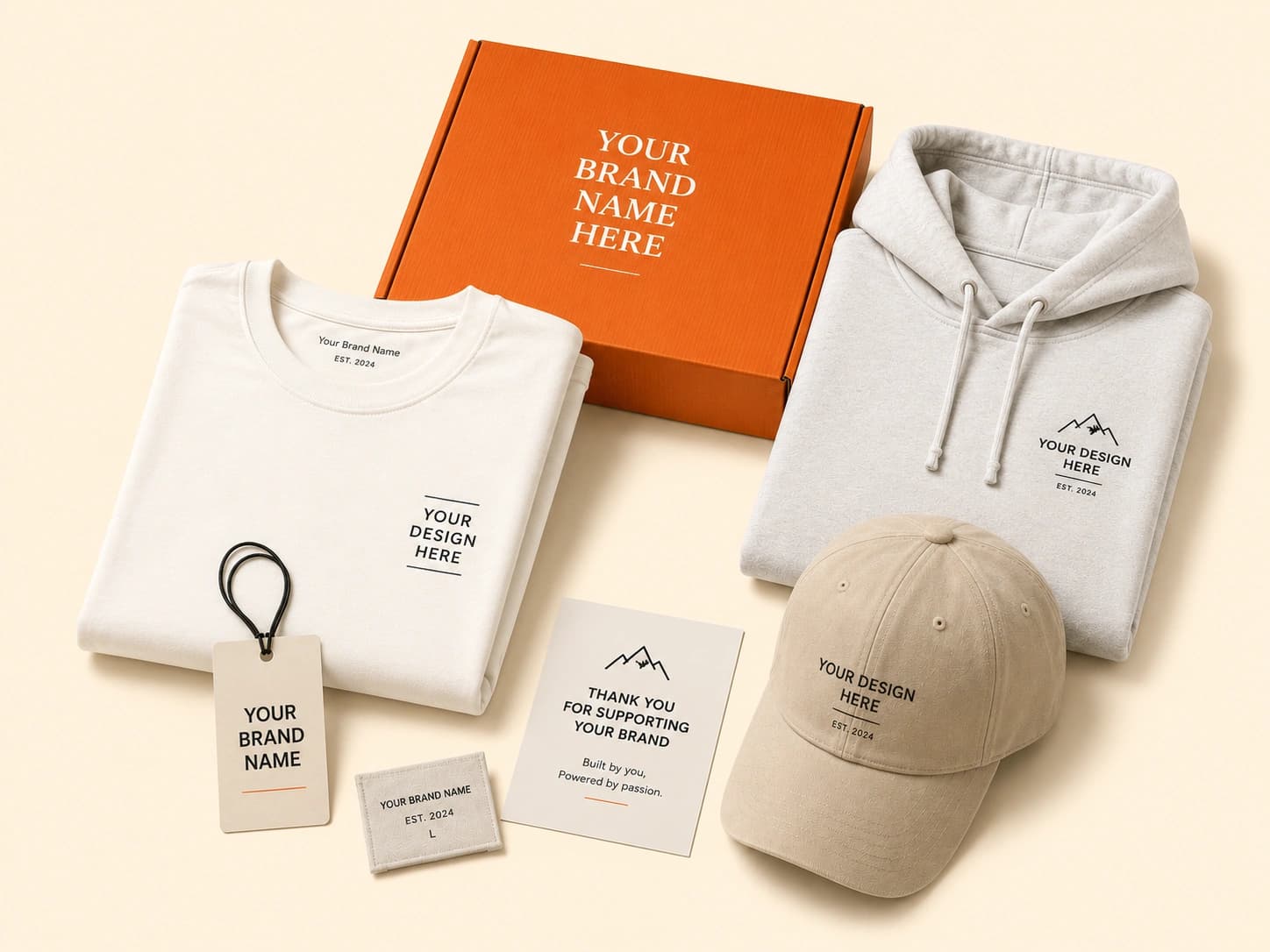
Sell under your own label with custom neck labels, tags, and branded packaging on every order. Qikink stays completely invisible to your customer.
India-ready fulfilment
Ships to 29,000+ pin codes across India, including Tier 2 and Tier 3 cities. Supports COD with integrates directly with Shopify, WooCommerce, and API.
Build a Real Clothing Label, Not Just a Store
A clothing brand is more than products for sale. It is a name, an aesthetic, and a customer who identifies with it. Print on demand lets you build all three without risking capital on bulk stock.
Zero inventory risk
You never buy stock upfront. Products are printed only after a customer pays. Your capital goes into designs and marketing, never into unsold clothing in a warehouse.
Your brand on every order
Custom neck labels, hang tags, brand logos, and thank-you cards. Your customer sees your brand end-to-end branding that builds loyalty, not a generic parcel.
30-50% defensible margins
Original designs for a focused niche audience command strong profit margins with no price war because no one else sells your exact design.
New to the mechanics? This page covers the brand-building path. To understand the fulfilment model itself, read how print on demand works in India.
How to Start a Clothing Brand in India with Qikink
Use this four-step process to move from brand idea to a live ecommerce store without buying bulk inventory.
Choose your niche
Decide who the brand is for. A streetwear label, gym wear brand, or campus merchandise line each needs different fits, pricing, and design. Test the idea with mockups or a small pre-order campaign first.
Pick your products, designs, and pricing
Start with a tight range, such as t-shirts, oversized tees, or hoodies, with print-ready designs. See types of t-shirts to sell. Then price using product cost, printing, shipping, and target profit with the clothing business profit calculator.
Build your store and connect Qikink
Launch your store on Shopify, WooCommerce, or a custom site, with clear size charts, a return policy, and your brand story. Connect Qikink so every order is printed, packed, and shipped without you holding stock.
Order samples, launch, and improve
Order samples first to check fit, fabric, print quality, and packaging before you launch ads. Start with a small catalogue, then track your best-selling sizes, colors, and repeat customers to guide what you add next.
Start with the products brands sell most
Most Indian clothing brands launch on apparel. Here is where the best margins and strongest repeat rates are.
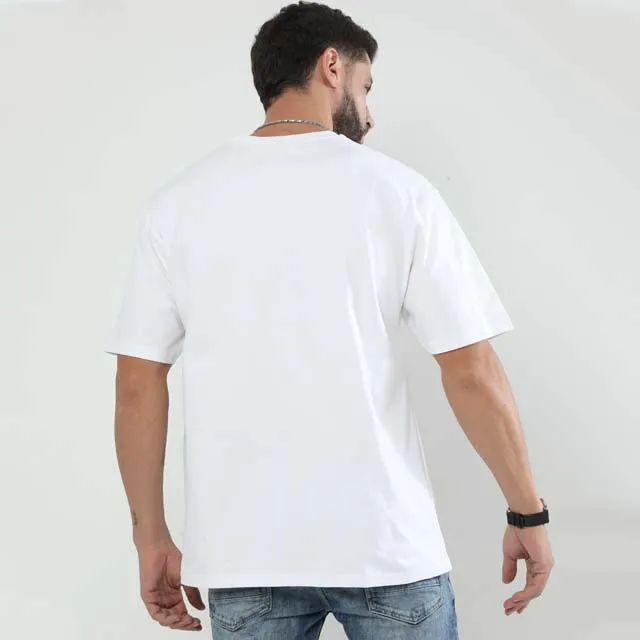
Oversized T-Shirts
Streetwear-fit tee with strong repeat-order demand.
Up to 50% margin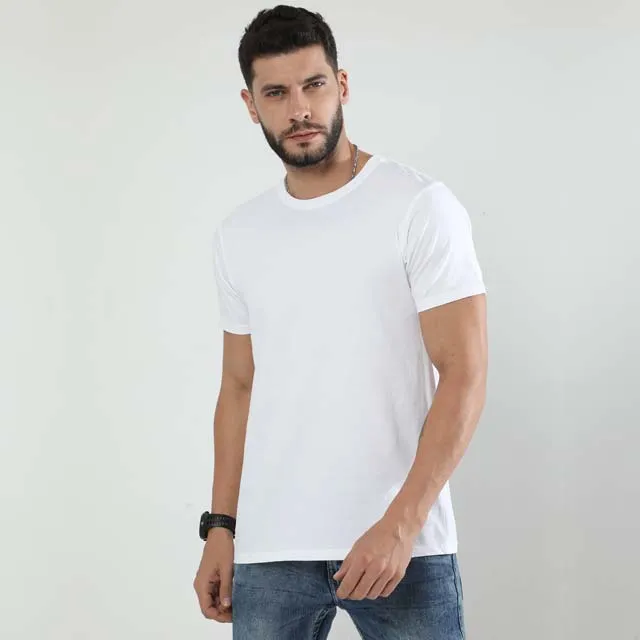
Regular T-Shirts
The everyday classic fit - your highest-volume seller.
Up to 50% margin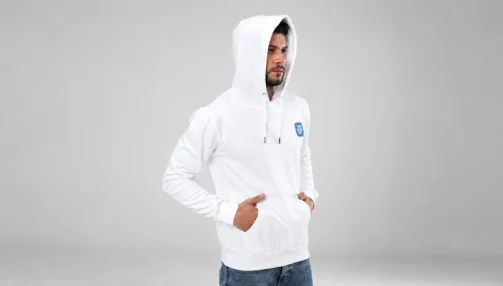
Hoodies & Sweatshirts
Higher price point, strong winter and year-round demand.
Up to 45% margin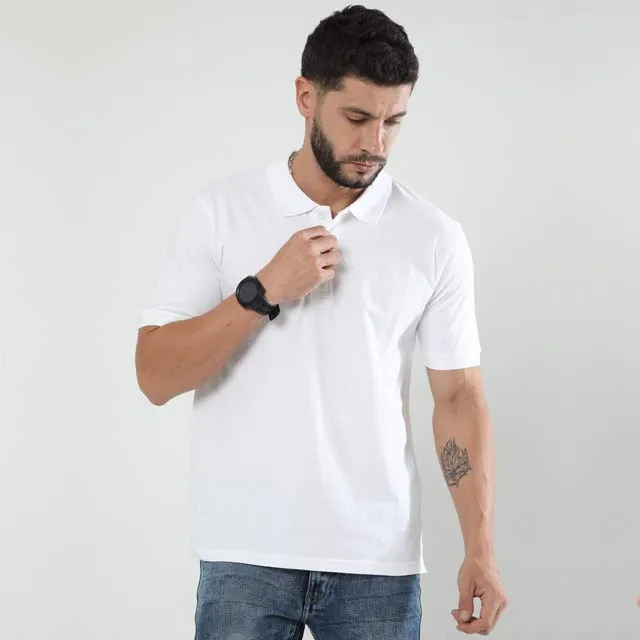
Polos & Co-ord Sets
Premium apparel styles for a more elevated brand line.
Up to 45% marginWhy Clothing Brands in India Have Room to Grow?
India's apparel demand, ecommerce adoption, creator-led communities, and customised merchandise culture make low-inventory clothing launches more practical than traditional bulk-first fashion.
₹10L Crore
India apparel
Projected size of India's apparel market in 2026 (Statista Market Insights).
₹30.5L Crore
Textiles + apparel
IBEF projects India's textiles and apparel market to reach this size by 2030, growing at ~10% CAGR.
30.8%
India POD market
Projected CAGR of India's own print-on-demand market from 2024 to 2030 (Grand View Research).
50-65%
Margin benchmark
Typical gross-margin range for clothing brands. Net margin depends on ads, returns, and operations.
Sources: Statista, IBEF, Grand View Research. Figures are industry estimates; verify for business planning.
Business model
Bulk Manufacturing vs Print on Demand for a New Clothing Brand
For most first-time founders, the biggest risk is not design. It is producing too much stock before the market has proved what it wants.
Every Order Ships as Your Brand
The difference between a clothing brand and a store is branding on the physical product. Qikink builds all of it into fulfilment at no extra operational effort from you.
Custom neck labels
Replace the blank tag with your own woven or printed neck label, so the garment reads as yours from the first touch.
Branded hang tags
Printed tags with your logo, story, and pricing. The finishing detail that makes apparel feel like a real label.
Branded boxes
Ship in eco friendly boxes with your logo instead of plain packaging, so the parcel is on-brand before it is even opened.
Thank-you cards
A personal note or discount card in every order. The affordable, highest-impact driver of repeat purchases.
White-label promise: Qikink's name, logo, and invoice never appear in your customer's parcel. Explore all options at custom branding. For definitions, see the branding glossary.
What are the margins on a clothing brand?
Clothing brands built on print on demand run leaner and safer than traditional apparel labels. Here is the real picture.
30-50%
Typical margin on custom apparel
A tee costing ~₹450 to print and ship, sold at ₹999, earns roughly ₹400-₹550 per order. Niche designs sustain premium pricing because there is no direct price competition.
₹0
Upfront and dead-stock cost
Nothing is produced until it sells, so you never risk capital on unsold inventory. Every rupee goes into design and marketing, the two things that actually grow a brand.
Under 5%
Return rate on custom designs
Customers buy your specific design, not a generic product, so returns stay low. Branded packaging and inserts push repeat purchase rates higher over time.
What actually decides whether your brand is profitable:
A focused niche: - Regional pop culture, gym communities, pet parents, fandoms. Specific audiences pay more and come back. Broad "clothing for everyone" brands compete on price and lose.
Correct pricing: - Most first-time founders under price. ₹799-₹1,499 for a well-designed niche tee is normal. Model your numbers with theclothing business profit calculator.
Repeat customers: - A 30% repeat rate is the line between break-even ad spend and profitable growth. Branded unboxing and thank-you cards drive it. See theprofit margin glossary.
Domestic speed and COD: - 2-3 days dispatch, COD support, and pan-India shipping keep cancellations low and conversion high, especially in Tier 2-3 cities.
Pricing and margins
Price your clothing brand like a business, not like a hobby
The right price includes product cost, printing, packaging, shipping, payment gateway fees, COD behaviour, RTO risk, ad spend, and the profit you want to retain.
Use the clothing business profit calculator before finalising public prices. For definitions, see the profit margin glossary.
Simple pricing formula
Lower inventory risk does not mean automatic profit. Your margin improves when brand positioning, product choice, creative quality, conversion rate, and repeat purchases are strong.
Trusted by Real Brands, Loved by Customers!
25,000+ Indian brands trust Qikink for print on demand fulfilment. Here's what they say about the quality, delivery, and service.
The Error Store
"So far my experience at Qikink is very good. The product that it provide is really good and the design quality is something i really appreciate. Keep up the good work and thank you for helping us in our journey."
Manan Jani -
Gujarat
Your playbook
Everything you need to launch and grow
Guides, tools, and references for every stage of building your clothing brand in India.
Start your clothing brand in India today
Join 25,000+ brands already selling with Qikink. No inventory, no minimum order, no upfront investment - just your label, printed and shipped on demand.
No credit card. 60-second signup.
Questions people ask before starting a clothing brand in India
Direct answers for founders comparing POD, bulk manufacturing, margins, GST, branding, and product choices.