
Online selling platforms in India are websites and apps that help businesses and individuals offer products to customers online. They include marketplaces such as Amazon, Flipkart and Meesho, where shoppers discover products; ecommerce store builders such as Shopify and WooCommerce, where sellers create branded websites; social and local selling channels such as Instagram, WhatsApp Business and OLX; and B2B platforms such as IndiaMART for wholesale enquiries.
The best platform depends on what the seller offers, who the buyers are, the budget and how much control is needed over branding and customer relationships. Marketplaces offer access to existing shoppers but have seller rules and selling fees. An independent store offers greater control, but the seller must attract customers and cover running costs.
Sellers should compare payment collection, shipping, returns and registration requirements before choosing a platform. Cash on delivery (COD), GST, and return rules differ by platform and affect the profit on each order.
Key Takeaways
- Marketplaces such as Amazon, Flipkart and Meesho offer access to existing shoppers, while an independent store on Shopify or WooCommerce gives sellers more control over branding and customer relationships.
- Free registration is not the same as free selling. Independent websites need payment processing, promotion and delivery, and local classifieds leave payment and handover to the seller.
- Indian sellers can use shopping sites, selling apps, local classifieds, B2B platforms and social channels, but each serves different products and buyers.
- Not every well-known site is open to every seller. New Indian Etsy shops can sell only to buyers outside India, while Myntra, AJIO, Nykaa Fashion and Tata CLiQ review brands before onboarding.
Top Online Selling Platforms at a Glance
The options cover the main ways to sell online: marketplaces for ready buyer demand, social and classified channels for direct enquiries, B2B sites for bulk leads, and ecommerce software for an independent store. The categories below compare similar services without treating them as interchangeable.
| Platform type | Platforms |
|---|---|
| General marketplaces | Amazon India, Flipkart, Meesho, Shopsy, Snapdeal, JioMart, ONDC |
| Quick-commerce platforms | Blinkit |
| Fashion, kids and home | Myntra, AJIO, Nykaa Fashion, Tata CLiQ, FirstCry, Pepperfry |
| Cross-border creative products | Etsy |
| Social selling | Instagram, WhatsApp Business |
| Local selling | OLX, Quikr, Facebook Marketplace |
| B2B and wholesale | IndiaMART, TradeIndia, ExportersIndia, Udaan, Alibaba.com |
| Ecommerce store builders and seller tools | Shopify, WooCommerce, Wix, Hostinger Website Builder, Dukaan, Instamojo, Zoho Commerce, Mystore |
| Digital products | Gumroad, Payhip |
Note: Selling costs mentioned below reflect publicly listed rates in November 2026.
Best Marketplaces to Sell Products Online
These online product selling sites bring buyers to a shared catalogue. They are useful for sellers with reliable sourcing, clear pricing and repeatable products, but the platform controls important parts of the customer experience. Some marketplaces provide final commissions and logistics charges only inside the seller account or agreement.
1. Amazon India
Best for: General consumer products and sellers building a wide marketplace catalogue.
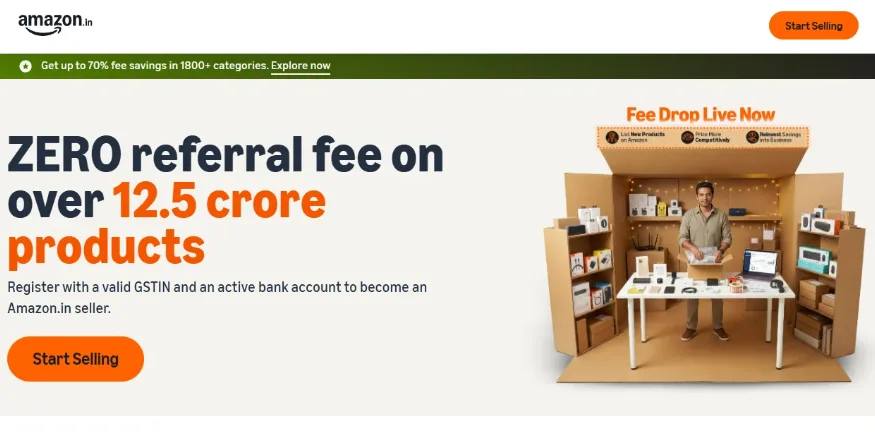
Amazon Seller Central provides product listings, advertising and fulfilment choices. Most taxable categories require a GST Identification Number (GSTIN), and the seller must comply with product and invoice rules. Its wide product range makes it useful for testing demand, provided the seller can compete on product quality and delivered price.
- Selling Cost: No standard monthly subscription; 0% referral fee on eligible products priced up to ₹1,000; closing fees from ₹2 and Amazon shipping fees from ₹37 where applicable.
- Advantage: Access to an established shopping audience, advertising tools and multiple fulfilment options.
- Watch out: Competition, advertising costs and returns can reduce profit, so sellers should calculate their margin after all marketplace deductions.
Tip
Qikink can fulfil Amazon Self-Ship orders. Its current published help instructions describe manual order entry and adding tracking details in Amazon Seller Central. Custom listings may also require a Global Trade Item Number (GTIN) exemption.
2. Flipkart
Best for: Fashion, home products, electronics and value-led consumer brands.
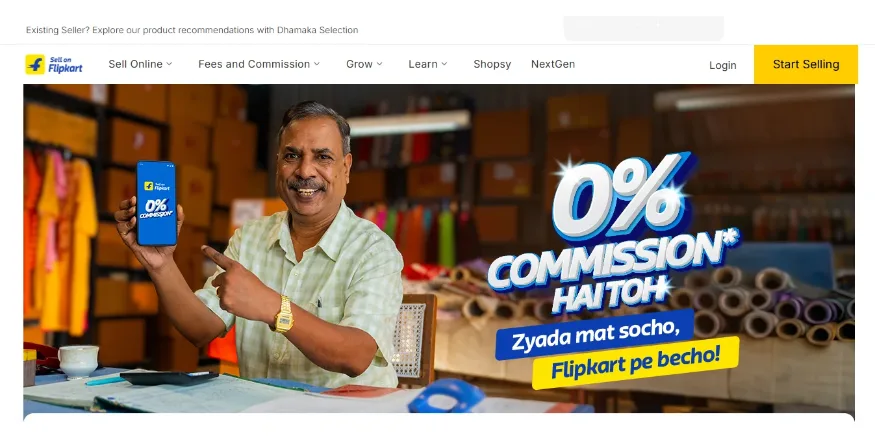
Flipkart Seller Hub supports catalogue management, orders and multiple fulfilment arrangements. Most sellers need GST registration. In November 2025, Flipkart’s zero-commission announcement covered eligible products below ₹1,000; in July 2026, it extended zero commission to fashion items at all prices.
- Selling Cost: 0% commission on eligible products below ₹1,000 and on fashion products across price points; fixed, collection and logistics charges may still apply.
- Advantage: A recognised India-focused marketplace with strong fashion demand.
- Watch out: Fashion returns are common, so return charges need a place in the price even when commission is zero.
Note:
Flipkart does not support the self-ship arrangement needed for Qikink orders and requires marketplace-compliant packaging, so Qikink cannot fulfil Flipkart orders.
3. Meesho
Best for: Budget clothing, accessories, home products and smaller-city customers.
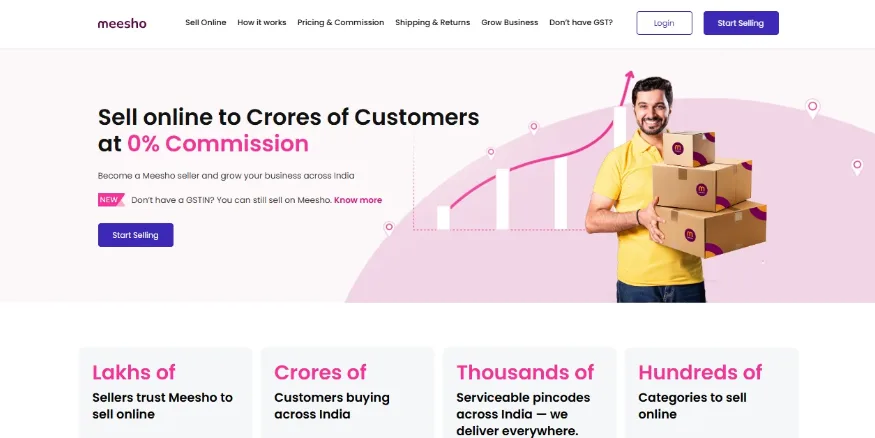
Meesho connects suppliers with shoppers looking for affordable clothing, home goods and everyday products. A GSTIN is needed for many seller categories; eligible sellers without one may use a restricted enrolment ID route for permitted intrastate sales. Shipping and customer returns remain important costs even when the marketplace commission is zero.
- Selling Cost: 0% commission; ₹0 registration fee; shipping charges plus applicable tax.
- Advantage: A value-focused audience and an accessible catalogue-led model.
- Watch out: Low-priced products face strong competition, so shipping and return costs can reduce the margin on each order.
Note:
Qikink does not offer a direct Meesho integration. Sellers can manually place eligible customer orders through the Qikink dashboard and manage fulfilment separately.
Inconsistent with Profit Margin?
Try Qikink today and sell products online with maximum profit
Sell with Qikink →
4. Shopsy
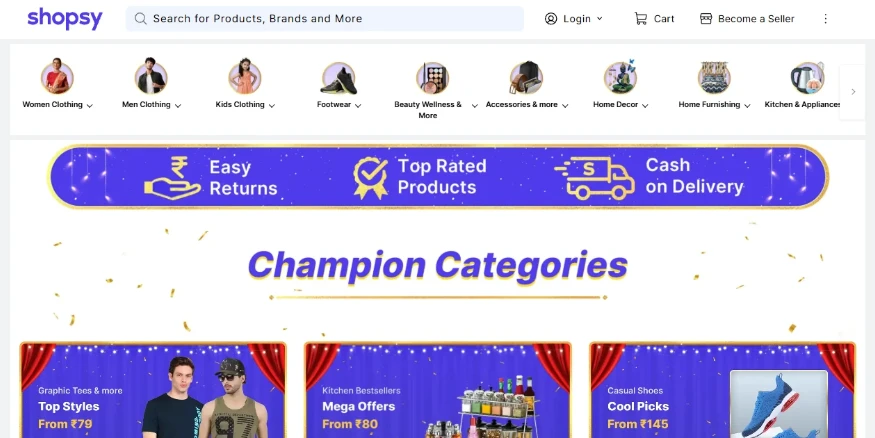
Best for: Affordable general merchandise and price-sensitive buyers.
Shopsy is Flipkart’s value-shopping marketplace, where sellers can reach price-sensitive buyers across everyday product categories. Its seller tools support catalogue management and order processing through the Flipkart ecosystem.
- Selling Cost: Flipkart announced 0% commission across Shopsy products in November 2025; category eligibility should be confirmed in Seller Hub. Other seller fees may apply.
- Advantage: Access to Flipkart’s established shopping ecosystem and a large audience of value-conscious buyers.
- Watch out: Category eligibility and seller terms change, so Shopsy’s current terms should be checked before listing.
5. Snapdeal
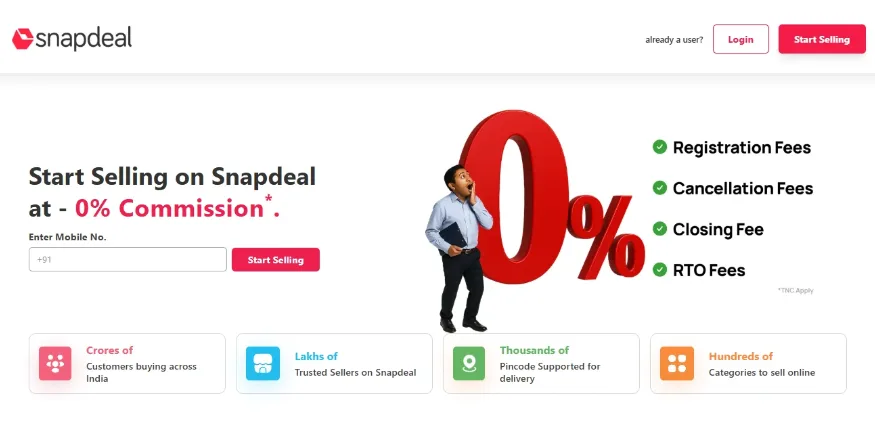
Best for: Price-competitive fashion, accessories, home products and value goods.
Snapdeal has an active seller onboarding portal requesting contact information, GST details, bank information and a pickup location. Sellers upload catalogues and receive orders through its marketplace system, making it a possible additional outlet once a product has shown demand elsewhere.
- Selling Cost: Seller-account rate card for category commissions, shipping and other applicable deductions.
- Advantage: A dedicated value-shopping audience and an active seller application route.
- Watch out: Sales volume and fee eligibility vary, so sellers should measure enquiries and actual orders before committing inventory.
6. JioMart
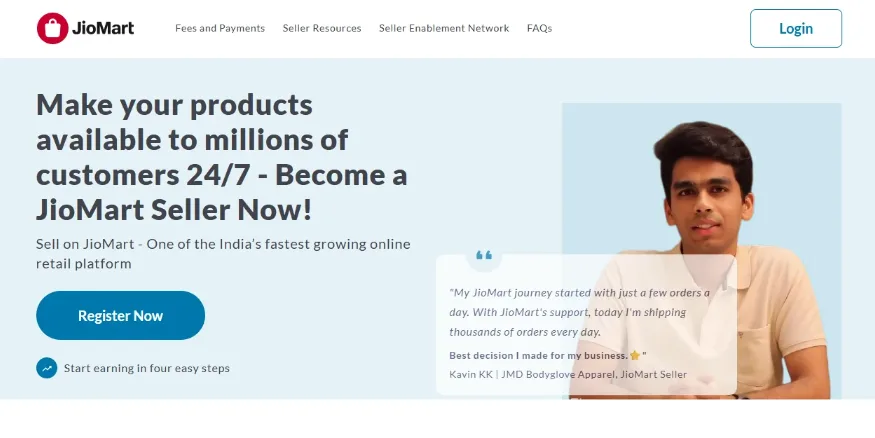
Best for: Businesses with consistent consumer-goods supply and a suitable catalogue.
JioMart has an active seller interest process and offers both seller-managed fulfilment and JioMart fulfilment. It includes categories beyond its original grocery focus, but a seller must meet the category and operational requirements before products go live.
- Selling Cost: Category-specific commission and fulfilment charges, confirmed during seller onboarding.
- Advantage: Access to JioMart’s retail environment with several fulfilment routes.
- Watch out: Supplier-style products and stock availability fit better than one-off custom products; seller acceptance is not automatic.
Want to Automate Your Online Selling?
Join Qikink and launch your own profitable online business from home
Sign Up for Free →
7. ONDC (Through Seller Apps)
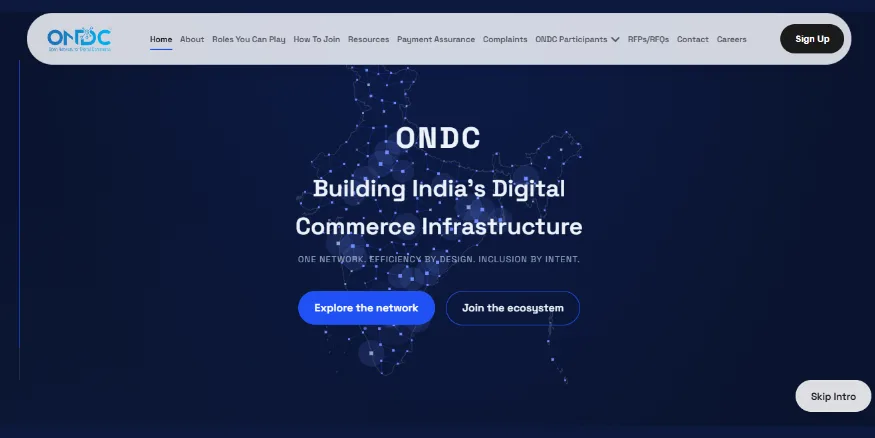
Best for: Local merchants and established sellers exploring more digital buyer channels.
The Open Network for Digital Commerce connects participating seller applications with buyer applications. It is not one shopping app or a single seller portal. A business joins through a participant such as Mystore and manages catalogue, fulfilment and customer issues according to that participant’s arrangement.
- Selling Cost: No single network-wide seller registration price; fees depend on the selected seller app, transaction services and logistics arrangement.
- Advantage: An additional way to reach buyers without relying on one conventional marketplace.
- Watch out: Discoverability depends on participating apps, catalogue quality and the seller-side service.
Quick-Commerce Platform in India
Quick-commerce platforms focus on delivering everyday products to customers within a short time. They are better suited to sellers with ready inventory and products that can be fulfilled quickly.
8. Blinkit
Best for: Brands with ready inventory suited to fast-moving urban orders.
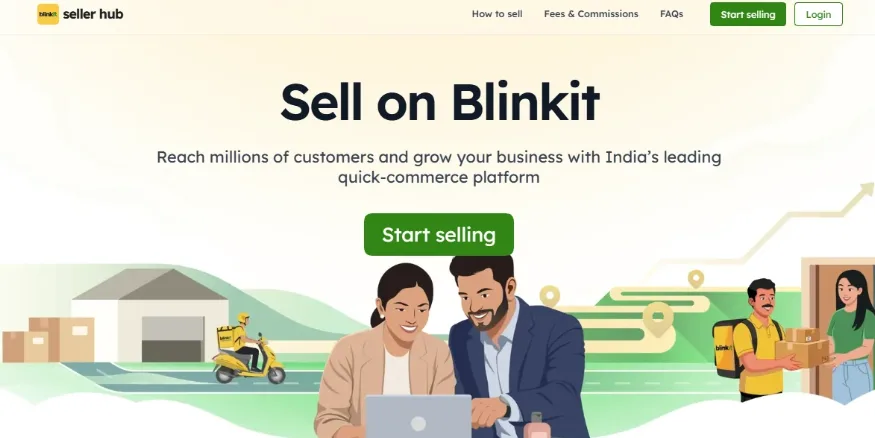
Blinkit’s live Seller Hub allows businesses to apply, upload catalogues, review category insights and manage pricing. Applicants need GST and bank information and relevant brand documents, with food-related permissions where required. Sellers supply inventory to Blinkit’s operating network.
- Selling Cost: Product-specific category commissions, inwarding, storage and fulfilment fees; exact charges are shown in Blinkit Seller Hub.
- Advantage: High-frequency discovery in quick-commerce areas and a current self-serve onboarding route.
- Watch out: Blinkit focuses on fast-moving categories such as grocery, packaged foods and household goods, so made-to-order apparel is generally a poor fit.
Best Fashion, Kids and Home Selling Sites
Specialist marketplaces can work well for businesses that already have a defined brand and dependable stock. Unlike broad marketplaces, fashion and lifestyle sellers may face brand verification, catalogue-quality requirements and selective approval.
9. Myntra
Best for: Established fashion, footwear and lifestyle labels.
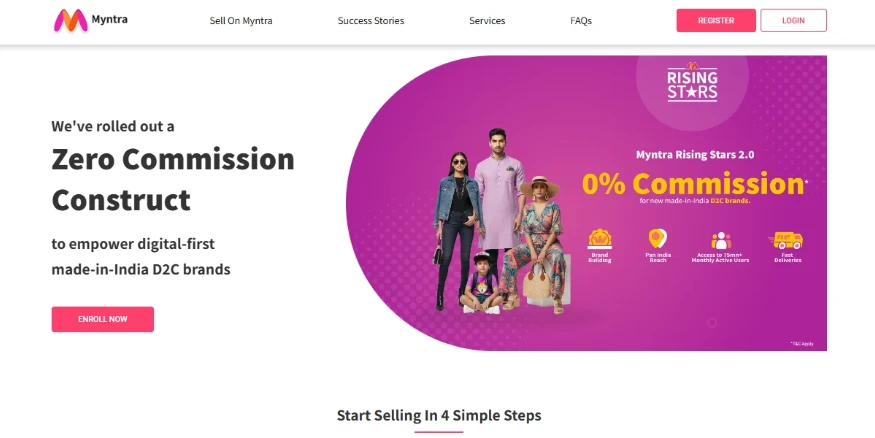
Myntra focuses on fashion-led discovery. Brands generally need a GSTIN and evidence of brand ownership or authorisation when applying. Accurate product images, size charts and inventory records matter because fashion customers frequently compare sizes and styles before ordering.
- Selling Cost: Brand- and category-based commercial terms, including applicable fulfilment and return deductions, provided during onboarding.
- Advantage: A concentrated audience for fashion and lifestyle products.
- Watch out: Brand selection, product presentation and inventory requirements can be difficult for sellers testing only a few items.
Test Products with Sample Orders!
Qikink lets you test your design or products and also place a sample order
Join Qikink Today →
10. AJIO
Best for: Fashion brands with a consistent collection and merchandising plan.
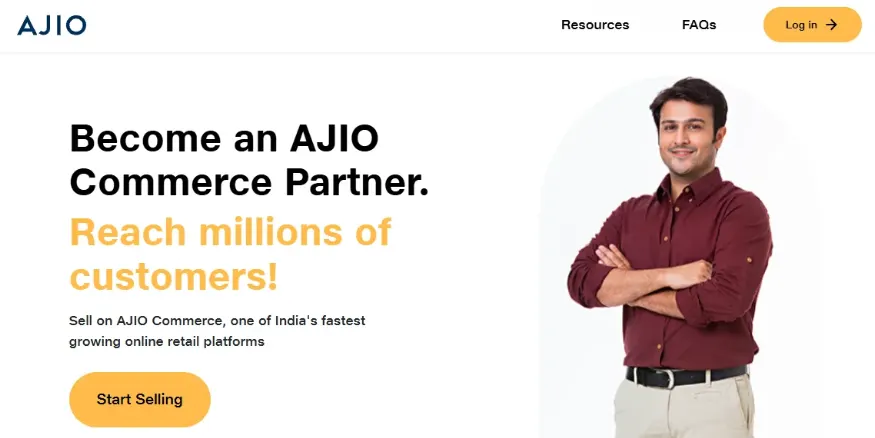
AJIO Commerce has a seller registration and approval process for fashion, lifestyle and several home categories. Its official seller resources list PAN, GSTIN, bank details and trademark or brand authorisation, followed by catalogue review. AJIO supports different warehouse and delivery models, so sellers should compare those terms before joining.
- Selling Cost: Agreed category commission, shipping charges and applicable GST on seller fees.
- Advantage: Fashion-focused discovery that can complement a brand’s direct store.
- Watch out: Selection, packaging and fulfilment expectations make it a stronger fit for an operating label than a casual reseller.
11. Nykaa Fashion
Best for: Fashion, accessories and lifestyle brands with approved collections.
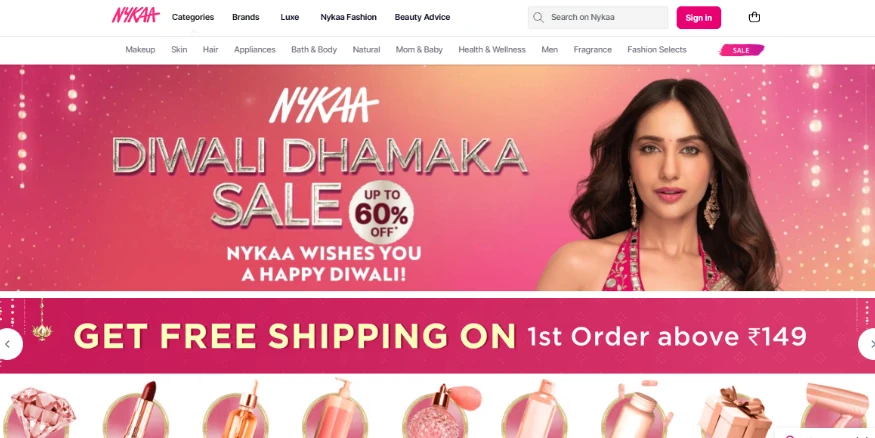
Nykaa Fashion focuses on clothing, footwear and accessories rather than Nykaa’s beauty assortment. Sellers are assessed for brand rights, catalogue fit and business documentation.
- Selling Cost: Seller commission is set in the agreement; branded packaging is a separate charge under Nykaa Fashion’s packaging policy.
- Advantage: A specialist lifestyle audience that may suit differentiated brands.
- Watch out: Approval is not guaranteed; brand fit, margins and returns are more important than the site’s popularity alone.
12. Tata CLiQ
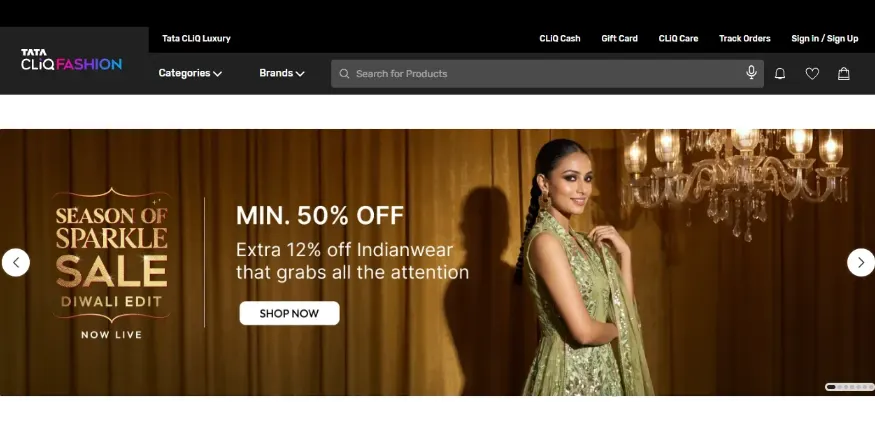
Best for: Established brands in accepted lifestyle and product categories.
Tata CLiQ uses a curated brand onboarding process. Brand owners may need trademark documents, while distributors may need written authorisation. Businesses generally need brand documents, a suitable catalogue and information about their existing sales channels for the partnership review.
- Selling Cost: Brand-partner commercial terms are negotiated; no public universal commission or subscription price.
- Advantage: A curated shopping environment and a recognised retail brand.
- Watch out: Less accessible to first-time sellers who have not established a brand or a stable supply process.
Looking for a Beginner-friendly Platform?
Explore Qikink’s various options and advantages for a first-time seller
Launch Your Own New Brand Today →
13. FirstCry
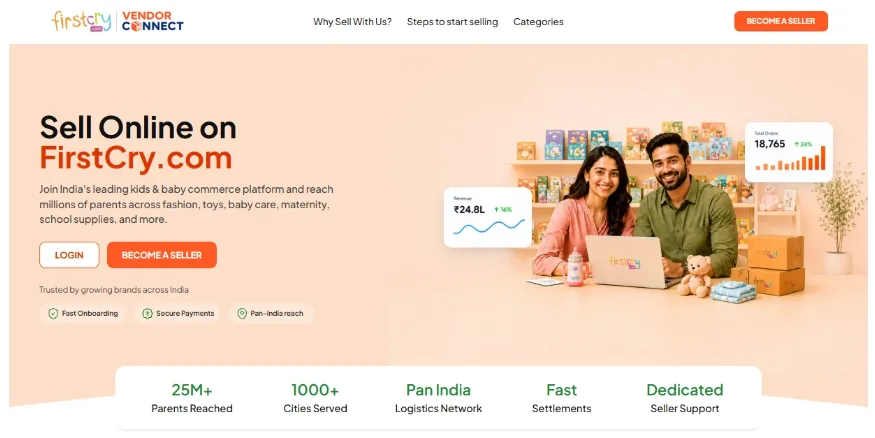
Best for: Baby, kidswear, maternity and child-focused brands.
FirstCry is a specialist retailer for baby, children’s and maternity products. Brands can approach its team through a business or supplier partnership route rather than open marketplace registration. Suitable suppliers should prepare product-safety documents and discuss supply requirements before onboarding.
- Selling Cost: Supplier or brand-partner commercials are agreed with FirstCry; no universal public seller commission rate card.
- Advantage: A targeted audience for baby and children’s products.
- Watch out: It is not a suitable general merchandise channel; safety and category standards can be demanding.
14. Pepperfry
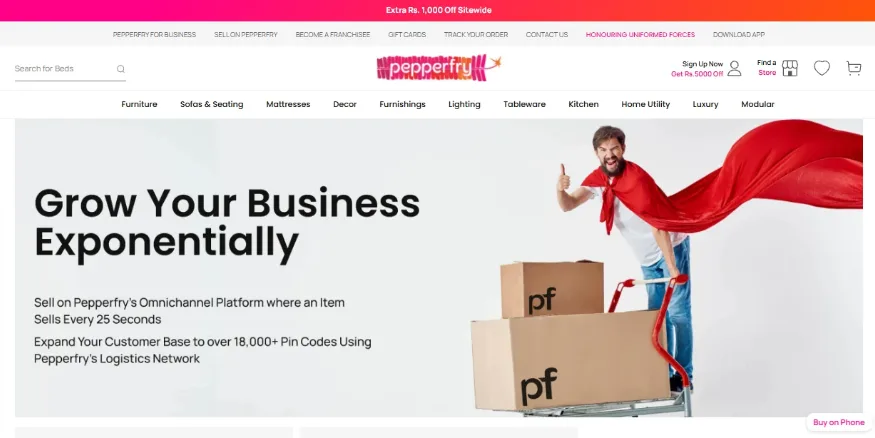
Best for: Furniture and home-furnishing brands with reliable bulky-item delivery.
Pepperfry is a specialised marketplace for furniture, furnishings and home products. Sellers need accurate dimensions, clear product descriptions and reliable arrangements for bulky deliveries, installation where required and returns.
- Selling Cost: Marketplace fee and logistics arrangements are agreed at onboarding; no current public seller-wide rate card.
- Advantage: Shoppers arrive with home and furniture buying intent.
- Watch out: Damage claims and replacement requests on bulky items can reduce margins.
Best Site to Sell Internationally from India
Cross-border marketplaces let Indian sellers reach buyers in other countries, with export paperwork, international shipping and foreign-currency payments added to the usual selling tasks.
15. Etsy
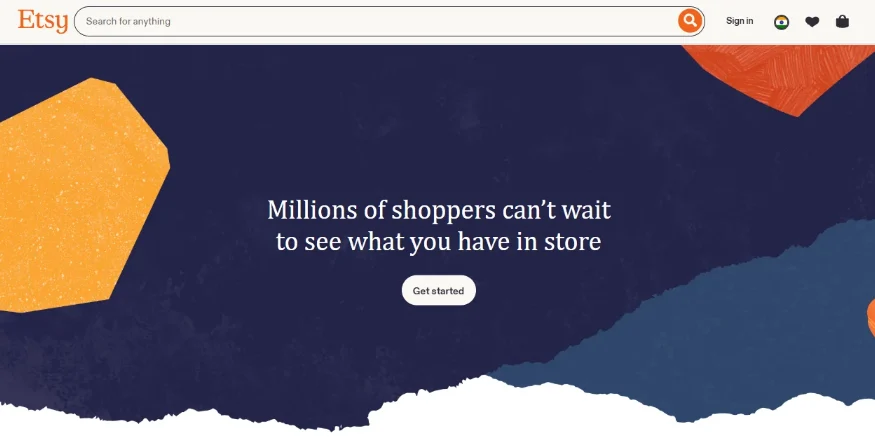
Best for: Original designs, craft products and eligible personalised items for international buyers.
Indian sellers can open Etsy shops, but newly opened Indian shops currently sell internationally rather than to domestic buyers. Etsy’s India payment rules require GSTIN information and Payoneer for Etsy Payments. Sellers using outside production partners must follow Etsy’s disclosure and creativity policies.
- Selling Cost: Approximately ₹940 ($10) one-time setup; ₹19 ($0.20) per listing; 6.5% transaction fee; India payment processing 5% + ₹25. Other charges may apply.
- Advantage: An international audience seeking distinctive creative goods.
- Watch out: International shipping, customs duties, currency conversion and overseas returns can reduce margins, especially on low-priced products.
Note:
Qikink does not offer a direct Etsy integration. Sellers can manually place eligible Etsy orders through the Qikink dashboard and manage order fulfilment separately.
Manage Shipping and Returns Easily!
Join Qikink, calculate prices easily and make every online sale profitable
Sell With Qikink →
Top Social Selling Apps
Social channels help people discover products and contact sellers. They usually work best alongside a payment link or ecommerce store where orders, invoices and after-sales support can be managed reliably.
16. Instagram
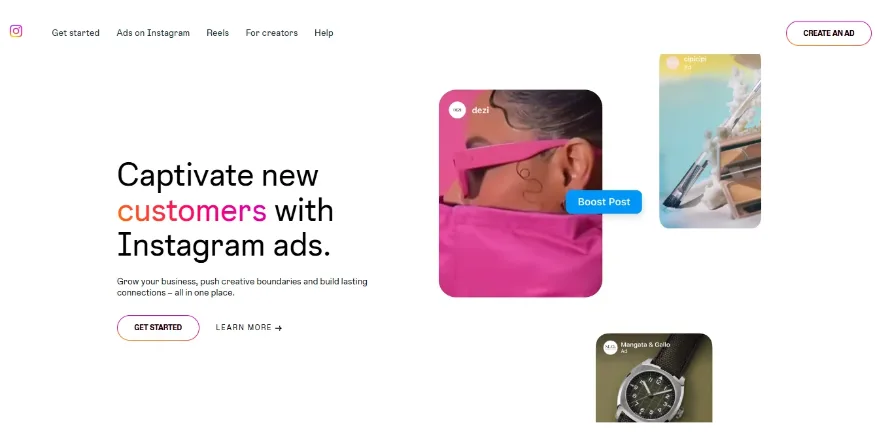
Best for: Clothing brands, creators and visually appealing products.
Instagram uses posts, Reels, Stories, direct messages and profile links to generate interest. Sellers can take enquiries through messages or send customers to an external checkout; native shopping features depend on region and account eligibility. An established content schedule matters more than simply opening a profile.
- Selling Cost: ₹0 for an Instagram account; paid ads and any external checkout or store fees are additional.
- Advantage: Product discovery through video, creators and direct audience engagement.
- Watch out: Organic reach can fluctuate, so sellers should provide a clear store link or order process rather than relying on direct messages alone.
Note:
Qikink does not offer a direct Instagram integration. Sellers can manually place customer orders through the Qikink dashboard and use Qikink for fulfilment.
17. WhatsApp Business
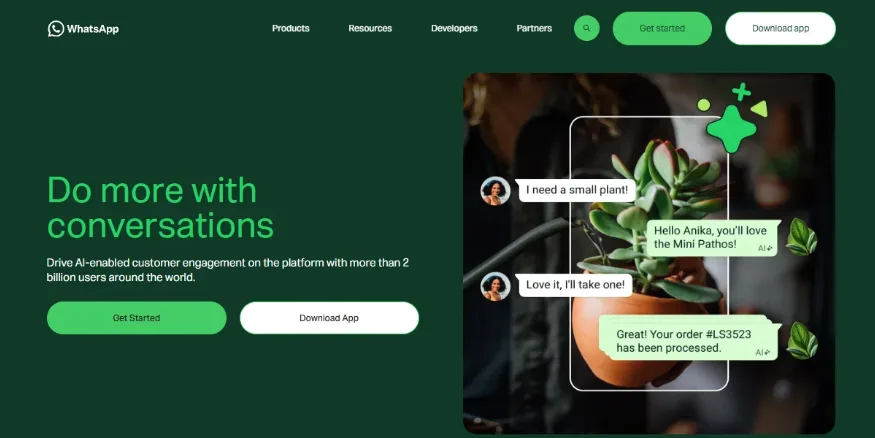
Best for: Local sellers, repeat customers and businesses handling enquiries directly.
WhatsApp Business provides a catalogue, business profile, greeting messages and quick replies. Sellers share product details, confirm specifications and send payment or store links to customers.
- Selling Cost: Free to download and use the WhatsApp Business app; paid campaigns, delivery and payment processing are separate.
- Advantage: Fast customer communication and low-friction repeat orders.
- Watch out: A chat thread is not an inventory or returns system, so sellers should maintain separate records of orders, payments and deliveries.
Tip
Sellers can manually place eligible WhatsApp orders through the Qikink dashboard for fulfilment.
Best Sites to Sell Used and Local Items
Local classified sites suit second-hand items and one-off sales, and they leave payment and handover to the seller and buyer.
18. OLX
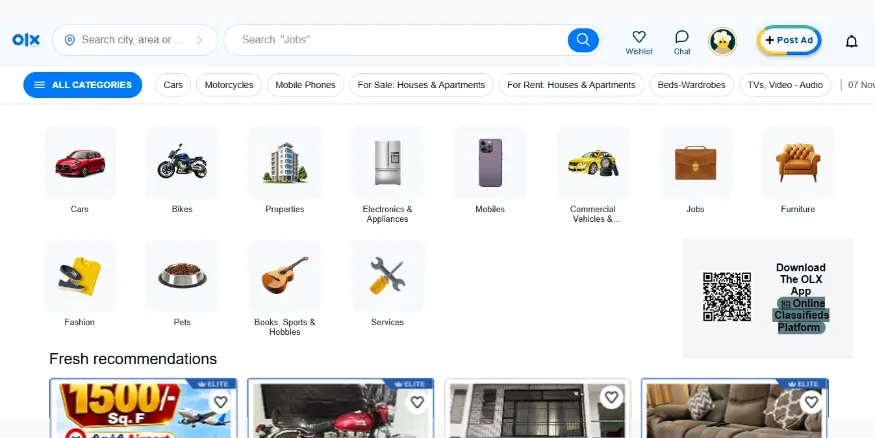
Best for: Used furniture, electronics, vehicles and one-off local items.
OLX is a classified-ad site where nearby buyers contact the person listing an item. Sellers can upload photos, discuss condition and negotiate a price before meeting or arranging delivery. It is better suited to individual goods than to a brand operating a large catalogue.
- Selling Cost: Free basic listings within category and location limits; paid posting and visibility packages beyond those limits.
- Advantage: Direct contact with local buyers.
- Watch out: Payments and handover need independent verification, and sellers should not share sensitive information or hand over products before payment is confirmed.
Want to Sell Online From Home?
Qikink prints, packs and ships your order on time; safe and secure selling
Join Today →
19. Quikr
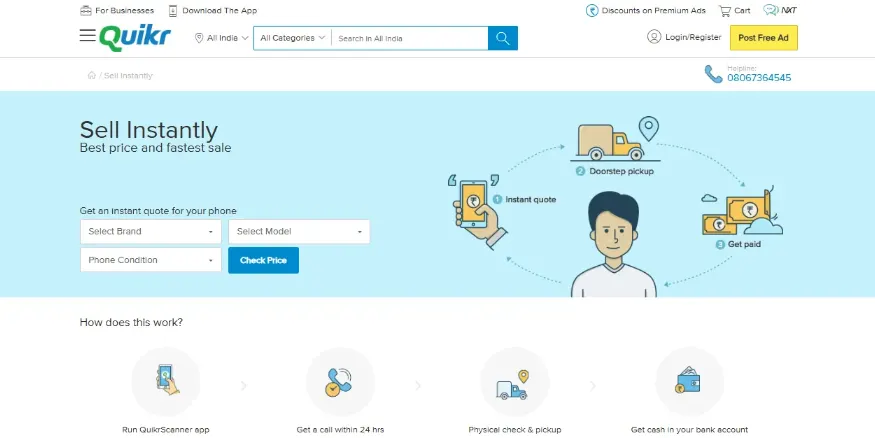
Best for: City-based second-hand goods and local services.
Quikr provides classified listings across products, services and local categories. It is an alternative when a seller wants buyers in a particular city rather than a nationwide marketplace order.
- Selling Cost: Free basic classified ads within limits; optional premium and featured listings cost extra.
- Advantage: City-focused listings that help sellers reach nearby buyers.
- Watch out: Not a managed ecommerce checkout; sellers have to handle buyer screening, payment and delivery.
20. Facebook Marketplace
Best for: Local used goods and direct buyer enquiries.
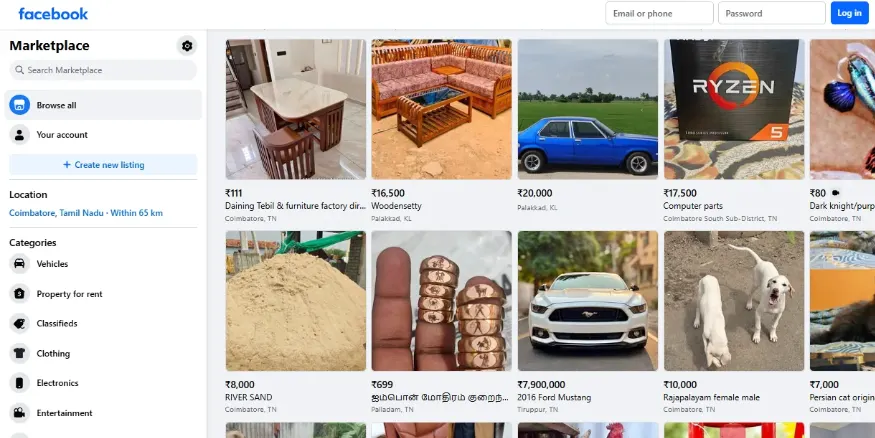
Facebook Marketplace allows eligible users to show listings to people browsing nearby. The conversation often continues through Messenger, where price, collection and product condition can be discussed. It works for individual item sales rather than automated multi-product fulfilment.
- Selling Cost: Free local Marketplace listings in typical person-to-person transactions; promotions and delivery are separate.
- Advantage: Simple local discovery among Facebook users.
- Watch out: Eligibility, visibility and payment protection vary by location; Facebook does not handle the transaction in most local sales.
Top B2B and Wholesale Selling Platforms
Business-to-business platforms are designed for enquiries, quotation requests and larger or repeated orders. They suit factories, distributors and custom-printing businesses more than a seller offering one consumer item at a time.
21. IndiaMART
Best for: Indian manufacturers, wholesalers and businesses handling bulk enquiries.
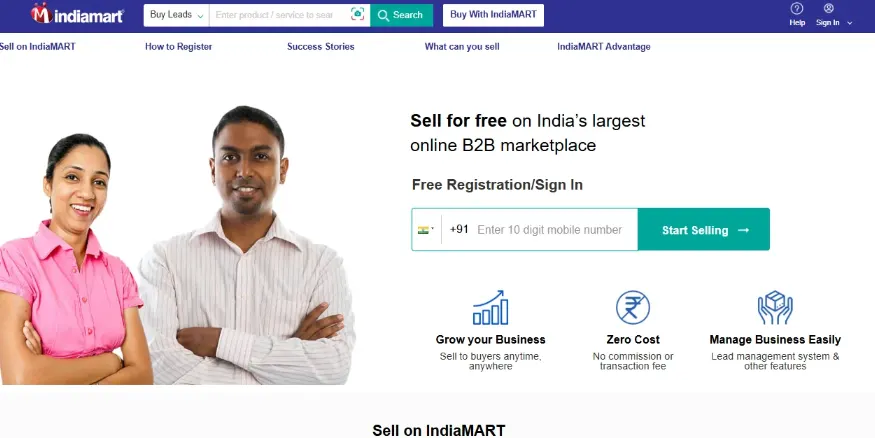
IndiaMART lists suppliers and lets buyers enquire about products, prices and minimum quantities. A free supplier listing can provide basic visibility, while paid plans offer additional lead and promotional tools. Sellers still need to qualify enquiries and issue their own quotations.
- Selling Cost: Free basic supplier listing; paid visibility and lead-generation plans are quoted by IndiaMART.
- Advantage: Wide category coverage and a well-known B2B enquiry model.
- Watch out: A lead is not a confirmed order; response speed, sample quality and genuine enquiry conversion matter.
Don’t Panic on Bulk Orders!
Qikink helps with your bulk orders on custom products too, with discounts
Sign Up and Sell Easily →
22. TradeIndia
Best for: Manufacturers, exporters and wholesale product suppliers.
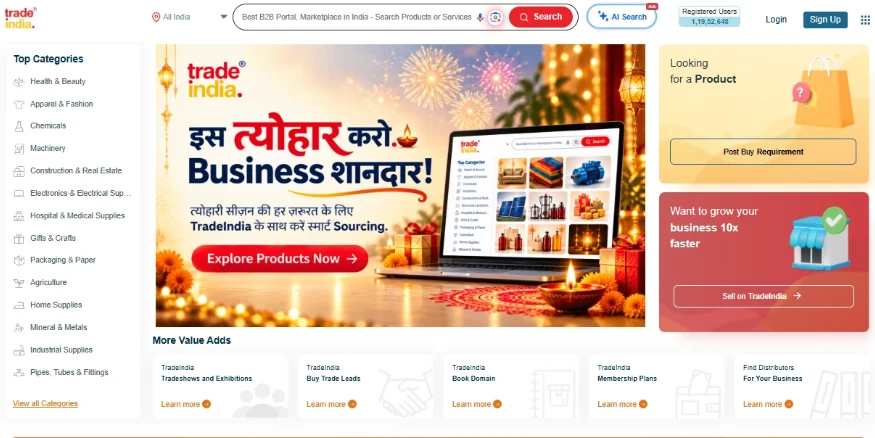
TradeIndia works as a business supplier directory where companies publish products and receive purchase enquiries. It is useful for products that need specifications, bulk pricing or repeated sourcing relationships.
- Selling Cost: Free registration with up to 50 product listings and sell trade leads combined; paid memberships offer additional visibility.
- Advantage: A marketplace-style directory for business enquiries in many sectors.
- Watch out: Paid lead volume does not guarantee revenue, so sellers should assess enquiry quality before buying a plan.
23. ExportersIndia
Best for: Indian businesses seeking trade and overseas buyer enquiries.
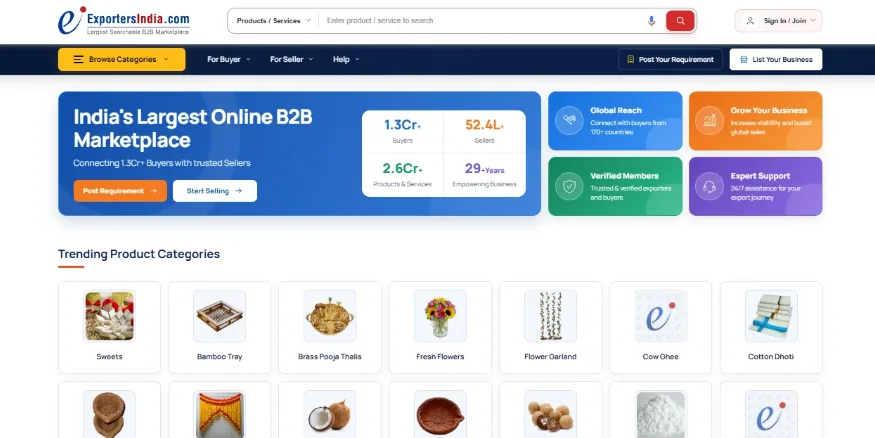
ExportersIndia is a supplier listing and trade-lead service with categories for manufacturers, wholesalers and exporters. It can supplement an existing B2B sales process, especially for sellers prepared to discuss minimum quantities and shipment terms.
- Selling Cost: Free basic registration with no platform commission; optional premium memberships and add-ons are paid.
- Advantage: Enquiries from buyers beyond a local retail market.
- Watch out: International enquiries require quotation discipline, shipment planning and buyer checks.
24. Udaan
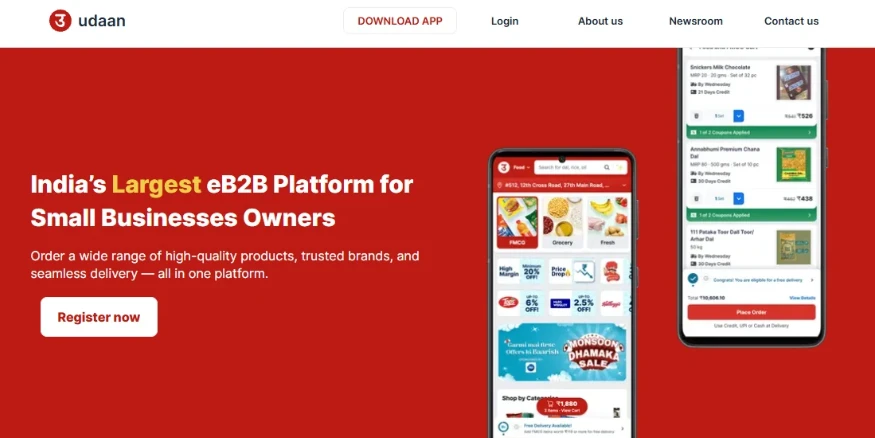
Best for: Distributors and manufacturers selling wholesale stock to retailers.
Udaan connects manufacturers, distributors and wholesalers with retailers looking to purchase products in bulk. It is designed for regular wholesale transactions rather than individual consumer orders.
- Selling Cost: Wholesale pricing and applicable delivery charges depend on the supplier arrangement.
- Advantage: A trade-focused ordering model for regular stock movement.
- Watch out: Less suitable for individually printed products with changing designs and very small order quantities.
Need a Flexible Custom Printing Seller?
Join Qikink now to print and sell your designs on various unique products
Design and Sell Now →
25. Alibaba.com
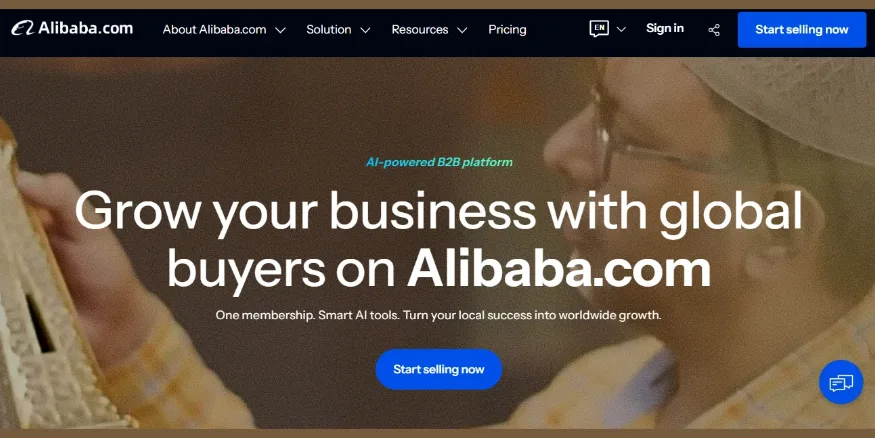
Best for: Export-focused manufacturers and bulk product suppliers.
Alibaba.com connects manufacturers, exporters and wholesale suppliers with international business buyers. It is better suited to businesses handling bulk orders and international trade than individual consumer sales.
- Selling Cost: India supplier plans: Basic ₹1,19,000/year; Plus ₹1,72,000/year; Pro ₹2,44,000/year, before tax.
- Advantage: Global B2B discovery for manufacturers and wholesalers.
- Watch out: Buyer verification, export paperwork, quality assurance and payment terms need experienced handling.
Best Websites to Build Your Own Online Store
An independent ecommerce platform offers the seller a branded online product selling website rather than a listing inside someone else’s catalogue. The seller controls product pages, content and the customer experience but must generate visits through social media, search, repeat purchases and advertising. Several Shopify alternatives exist, and the options below cover the ones most relevant to Indian sellers.
26. Shopify
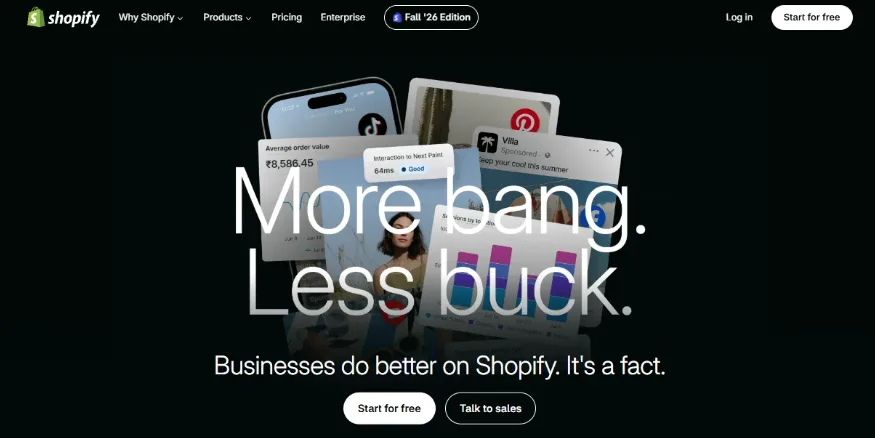
Best for: D2C brands and sellers needing hosted ecommerce operations.
Shopify offers hosted store themes, checkout, product and order management, and integrations. The Basic plan is a full online store; Starter is a lighter option for selling through links and social channels. Subscription prices change with the payment cycle, and marketing and payment processing remain separate costs.
- Selling Cost: Basic ₹1,499/month on annual billing or ₹1,994/month when billed monthly; 2% third-party payment-provider fee on Basic, plus gateway charges.
- Advantage: A hosted store with a broad app ecosystem and straightforward day-to-day operations.
- Watch out: Store traffic is not included, and third-party gateway charges can add to monthly operating costs.
Tip
Qikink offers a Shopify integration that lets sellers publish products and automatically sync eligible store orders for fulfilment.
27. WooCommerce
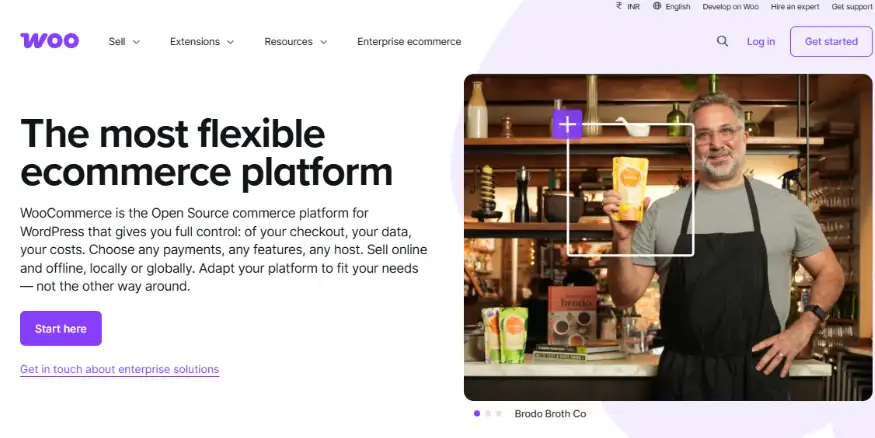
Best for: Brands that want a flexible WordPress-based ecommerce website.
WooCommerce is ecommerce software for WordPress. It lets sellers configure products, taxes, shipping and checkout within a site they manage. Unlike Shopify, which hosts the store, WooCommerce leaves hosting to the seller.
- Selling Cost: Free core plugin; hosting, domain, paid extensions and payment processing cost extra.
- Advantage: Control over site structure, content and custom features.
- Watch out: Hosting, updates and security are the seller’s job, so the site needs regular technical upkeep.
Tip
Qikink offers a WooCommerce integration that automatically syncs eligible store orders to the Qikink dashboard for fulfilment.
Integrate with Shopify & WooCommerce!
Sell custom products from Qikink through WooCommerce or Shopify too
Sign Up for More →
28. Wix
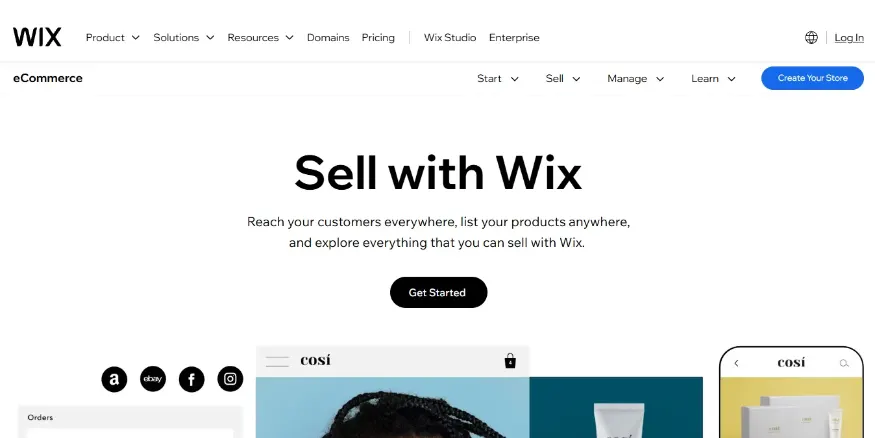
Best for: Beginners building a design-focused online shop.
Wix combines a website builder with commerce tools on eligible paid plans. Sellers can create product pages and a brand presentation without a separate WordPress installation.
- Selling Cost: Free website plan; a paid e-commerce-enabled plan is required to accept online payments. The exact India subscription price depends on the plan and checkout region.
- Advantage: Accessible visual editing and integrated website tools.
- Watch out: Indian payment methods, shipping logic and returns should be tested with a complete order before launch.
Note:
Qikink does not integrate directly with Wix. Sellers can manually place eligible Wix store orders through the Qikink dashboard for fulfilment.
29. Hostinger Website Builder
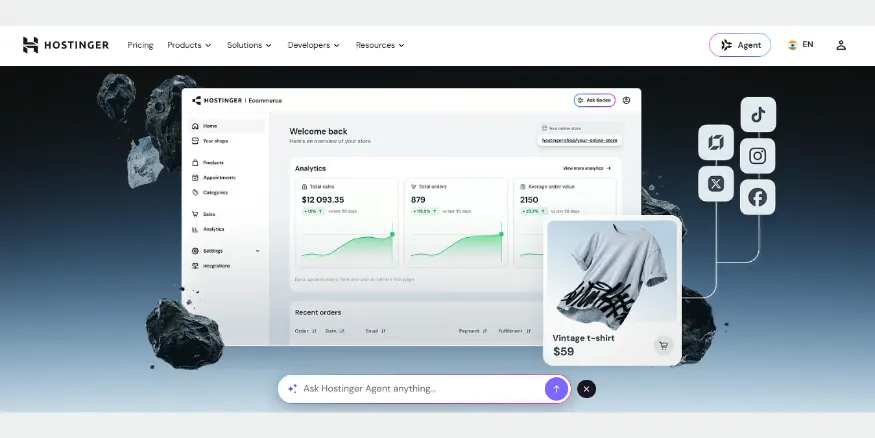
Best for: Small businesses wanting hosting and a store builder in one package.
Hostinger offers an ecommerce website builder with hosting, templates and a domain offer on qualifying plans. Its India ecommerce page advertises introductory INR pricing and ecommerce functions as part of the appropriate plan.
- Selling Cost: Unlimited plan with ecommerce from ₹249/month on a 48-month purchase (₹11,952 upfront); advertised renewal ₹649/month. Taxes and shorter-term prices may differ.
- Advantage: A bundled route to creating an independent branded store.
- Watch out: The lowest advertised monthly rate requires a long upfront commitment, and renewal costs more. Indian payment gateways should be confirmed before launching.
30. Dukaan
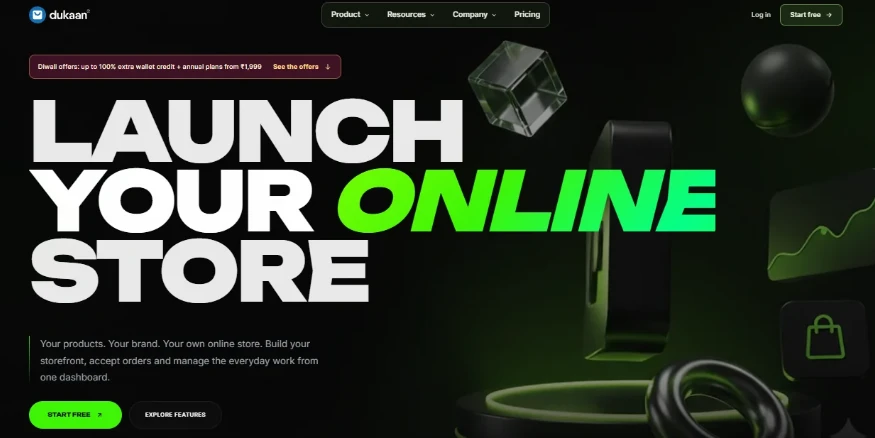
Best for: Local businesses and small sellers wanting an uncomplicated storefront.
Dukaan provides an independent storefront and merchant tools for small businesses. Its free plan supports one store, while paid plans add staff, domains and other tools; the platform also applies a service fee to eligible orders.
- Selling Cost: Free ₹0/month (4.99% service fee); Starter ₹2,500/year (3.99%); Growth ₹8,000/year (1.99%); Infinity ₹50,000/year (0.99%). Service fees are capped at ₹200 per eligible order; promotional discounts may apply.
- Advantage: Simple product presentation without building a full custom website.
- Watch out: The free plan carries the highest service-fee rate, so sellers with regular sales should compare total order fees against the cost of upgrading.
Create Your Online Store Easily!
Join Qikink for free and create your own online store free with various products
Launch Your Store →
31. Instamojo
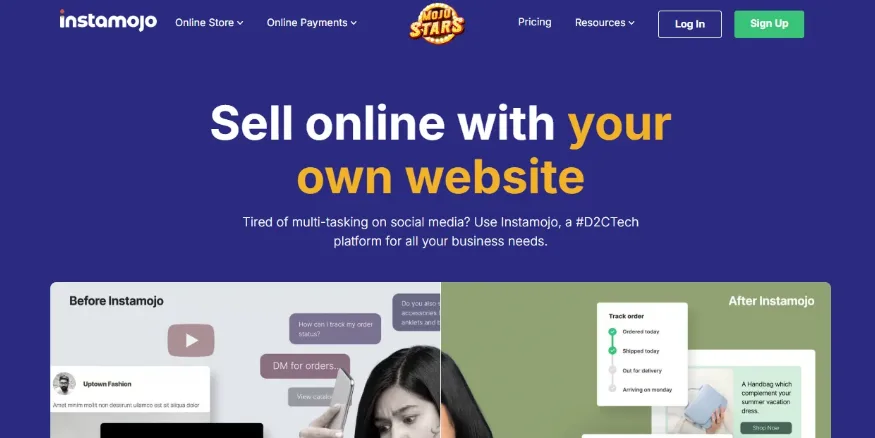
Best for: Indian microbusinesses and creators combining selling with payment collection.
Instamojo offers online stores, payment links and Smart Pages for simpler checkout. A Smart Page can collect payments for a product or service, while the separate store plans support a larger catalogue. Sellers should select the matching product before comparing fees.
- Selling Cost: Online Store: Lite ₹0/year + 5% + ₹3 per transaction; Starter ₹6,999/year + 5% + ₹3; Growth ₹14,999/year + 2% + ₹3. GST extra.
- Advantage: A simple route from enquiry to payment for Indian businesses.
- Watch out: Shipping, returns and customer support are not solved merely by generating a payment page.
32. Zoho Commerce
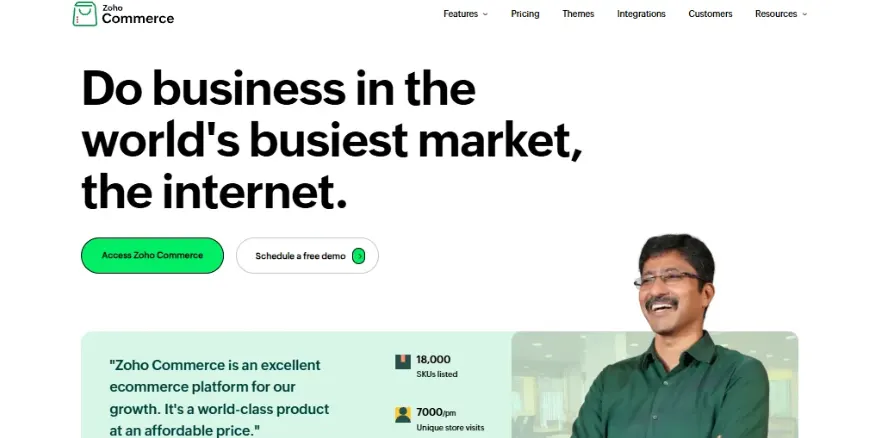
Best for: Companies already using Zoho accounting, stock or customer tools.
Zoho Commerce provides storefront, catalogue and order-management features with connections to related Zoho business products. It can be attractive when a company wants sales operations close to its existing finance or inventory workflow.
- Selling Cost: Starter micro-store ₹99/month on annual billing; full online-store plans from Standard ₹599/month, Professional ₹1,799/month and Premium ₹3,499/month on annual billing. Zoho charges 0% platform transaction fees on the main paid plans.
- Advantage: Useful connection to a wider business-software ecosystem.
- Watch out: A more involved setup than a simple social-commerce page, especially when tax and stock workflows are complex.
33. Mystore
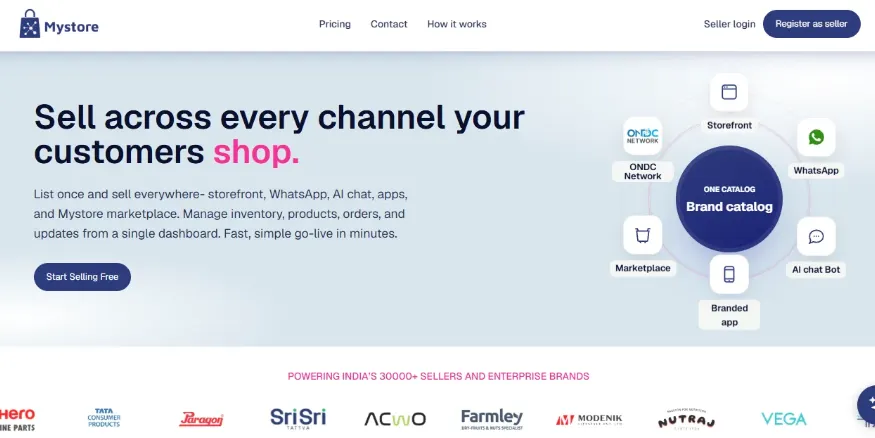
Best for: Indian businesses wanting a storefront and a route onto ONDC.
Mystore gives sellers an ONDC channel and the option to build a branded online store. Its free plan allows network participation, while paid plans add a public storefront, custom-domain tools and more ways to sell. Sellers should check the displayed billing period and transaction charges before upgrading.
- Selling Cost: Freemium ₹0; Basic ₹1,499/month, Business ₹5,625/month and Enterprise ₹22,499/month on the current public pricing view. Paid-plan transaction fees are 2% on Basic and 1% on Business and Enterprise.
- Advantage: A practical way to test an independent store alongside network-based discovery.
- Watch out: The seller must complete identity checks and understand the selected channel fees and fulfilment responsibilities.
Start an Online Store for Free!
Choose your products, upload designs and sell them online successfully
Sign Up to Sell →
Best Websites to Sell Digital Products
Digital product platforms help sellers accept payment and deliver downloads such as templates, artwork, ebooks and course files. They do not need parcel shipping, but payment-gateway availability and payouts for Indian sellers still matter.
34. Gumroad
Best for: Templates, downloads, independent digital creators and niche files.
Gumroad allows creators to sell digital products such as templates, ebooks, artwork and downloadable files through hosted product pages.
- Selling Cost: No monthly subscription; direct sales cost 10% + approximately ₹47 ($0.50) per sale, plus applicable processing; Gumroad Discover sales cost 30%.
- Advantage: Straightforward checkout and digital delivery without building a full website.
- Watch out: Fees are significant for low-priced downloads, and payout or tax arrangements should be checked for Indian sellers.
35. Payhip
Best for: Digital downloads, courses and memberships sold through a creator’s audience.
Payhip provides a storefront for selling digital downloads, online courses and memberships, with automatic file delivery after payment.
- Selling Cost: Free ₹0 ($0)/month + 5% per sale; Plus approximately ₹2,727 ($29)/month + 2%; Pro approximately ₹9,311 ($99)/month + 0% Payhip transaction fee. Payment processor fees are extra.
- Advantage: No required monthly platform payment to test a digital product.
- Watch out: Indian sellers should confirm payment-provider availability and payout eligibility before setting up paid products.
Which Is the Best Platform to Sell Online in India?
The best site to sell products online in India depends on what the seller offers and how the seller wants to reach customers. Amazon, Flipkart and Meesho suit general consumer products, while Shopify and WooCommerce suit businesses building their own brand. IndiaMART is useful for bulk enquiries, and OLX is better for selling used items locally.
The table compares practical starting options, including websites and apps that offer free registration or basic selling features.
| Seller requirement | Platforms to consider | Starting cost |
|---|---|---|
| General consumer products | Amazon, Flipkart, Meesho | Free registration; selling charges apply |
| Budget and value products | Meesho, Shopsy | 0% commission on eligible listings; other charges may apply |
| Independent branded store | Shopify, WooCommerce, Dukaan | Paid subscriptions, free software or a free plan, depending on the platform |
| Fashion and lifestyle brand | Myntra, AJIO, Nykaa Fashion | Brand approval and agreed selling charges |
| Local or second-hand products | OLX, Quikr, Facebook Marketplace | Free basic listings; paid options may apply |
| Social selling | Instagram, WhatsApp Business | Free account; advertising and payment costs may apply |
| B2B and wholesale products | IndiaMART, TradeIndia | Free basic listings; paid visibility options |
| Digital products | Gumroad, Payhip | No required monthly plan on their free options; transaction fees apply |
| Sell products without holding inventory | Shopify, WooCommerce, Qikink Creator Store and Amazon Self-Ship with Qikink | Store costs, product and fulfilment charges |
Bonus: Sell Products Online With Qikink
Qikink helps sellers start and manage an online business without investing in finished inventory upfront. Sellers can choose products, set their selling prices and sell through supported ecommerce platforms or a Qikink Creator Store. Qikink handles product manufacturing, packing and shipping after an order is received.
Before starting, sellers can check product prices, fulfilment charges and delivery timelines to calculate their margins.
Why Sell With Qikink?
- No minimum order quantity.
- No monthly subscription fee.
- 350+ products to choose from.
- Manufacturing, packing and shipping handled by Qikink.
- Shopify and WooCommerce integrations.
- Free Creator Store option.
- COD support and no RTO charges.
Amazon Self-Ship orders are supported, while Flipkart orders cannot be fulfilled through Qikink.
Sell Online with Qikink!
Sign up with Qikink today and sell products online profitably
Start for Free →
Frequently Asked Questions (FAQs)
1. Where Can Beginners Sell Products Online in India?
2. What Is the Best Reselling App in India?
3. Which Online Selling Platforms Charge No Commission?
4. Is Shopify Better Than Amazon for Selling Products Online?
5. Are There Free Websites to Sell Items Online in India?
6. Which Apps Can Be Used to Sell Products Online in India?
7. Which Platform Is Best for Selling T-Shirts Online?
8. Can Indian Sellers Use International Online Selling Platforms?
Final Thoughts
Marketplaces offer access to existing shoppers, independent stores provide greater control over branding, and social, local, and B2B channels support more specific selling needs. The right online selling platform depends on what the seller offers, who the buyers are and how orders will be managed.
Sellers should compare seller requirements and the complete cost of each order before committing to a platform, start with a manageable product range, check how payments and returns work, and expand based on actual sales.
Sellers looking for a way to sell products online without holding finished inventory can explore Qikink, an Indian dropshipping and print on demand platform. It handles product manufacturing, packing and shipping, while sellers focus on choosing products, setting prices and reaching customers through supported selling channels.
Sellers can create a free account and explore the available products and fulfilment costs before getting started.
Sell with Qikink →Read More
- Shopify Dropshipping Guide: How To Dropship & Make A Profit
- How To Start Dropshipping With WooCommerce: Simple Steps
- How to Use Facebook for Dropshipping: Guide on Marketplace
- How to Sell Products Online in India: Complete Guide to Start
Share the Article


