

Thinking about building an online store, but not sure if Shopify is the best fit for you? You’re not alone! While Shopify is one of the biggest names in eCommerce, it’s not perfect for every seller. Whether it’s the costs, customization limits, or specific dropshipping business in India needs, there are plenty of reasons entrepreneurs start looking for Shopify alternatives.
In this guide, we’ll explore the best free and paid alternatives to Shopify, break down what they offer, where they shine, where they fall short, and help you find the right platform based on your goals, budget, and business model. Let’s dive in and find your perfect match
| Platform | Free Plan Available? | Paid Plans Start At | Notes |
|---|---|---|---|
| WooCommerce (WordPress) | Yes (plugin free) | Hosting costs from $5–$15/month | Pay for hosting and premium plugins only if needed. |
| Wix | Yes (free trial available) | Premium starts at ₹125/month | Easy drag-and-drop builder, supports digital products, customizable templates, built-in payment options. |
| Squarespace | No | $23/month (Commerce Basic) | Good for small to mid-sized stores, beautiful templates. |
| BigCommerce | No | $39/month | Best for scaling businesses. |
| Magento | Open-source free (Magento Open Source) | Hosting + development costs vary | The Enterprise version is expensive. |
| PrestaShop | Yes (open-source) | Free (hosting and plugins extra) | Flexible but developer help needed. |
| Ecwid | Yes | $19/month | Free for up to 5 products, then paid plans. |
| OpenCart | Yes (open-source) | Free (hosting costs apply) | Self-hosted; costs depend on server, extensions, themes. |
| Weebly (by Square) | Yes | $12/month | Great for simple online stores. |
| Shift4Shop (3dcart) | Yes (for US merchants using Shift4 Payments) | Otherwise $29/month | Full-featured ecommerce platform. |
| Big Cartel | Yes | $9.99/month | Ideal for small creators and artists. |
| Sellfy | No | $19/month (billed annually) | Best for digital products, print-on-demand, subscriptions. |
| Square Online Store | Yes | $29/month (for Plus plan) | Free plan available with transaction fees. |
| Gumroad | Yes (Free plan with transaction fees) | 10% transaction fee per sale | Simple platform for creators to sell digital products with no monthly subscription fees. |
| Wix Studio | No | Around $27/month | Advanced web design tools, especially for agencies. |
| PinnacleCart | No | $79.95/month | Good for businesses wanting more control. |
| Dukaan | No | Starts at ₹11,999/year (~$145/year) | SaaS platform focused on D2C/B2C. |
| Fynd Platform | Yes (30-day free trial) | ₹1,499/month (~$18 USD) | Omnichannel platform focused on AI-driven commerce, suitable for Indian and Southeast Asian markets. |
| StoreHippo | Yes (Free trial) | ₹12,000/month (~$145 USD) | Customizable SaaS for B2B, B2C, and D2C, with multi-language, multi-currency, and marketplace features. |
| Hostinger | No (30-day money-back guarantee) | $2.99/month (shared hosting) | Affordable hosting with user-friendly tools, ideal for small to medium-sized eCommerce businesses. |
The 20 Best Alternatives for Shopify
Looking for a Shopify alternative? Whether you’re just starting or looking for a platform that better suits your needs, there are plenty of options to consider. Here are 20 of the most popular alternatives to Shopify, each offering unique features to help you build and grow your online store. Here we are:
1. WooCommerce
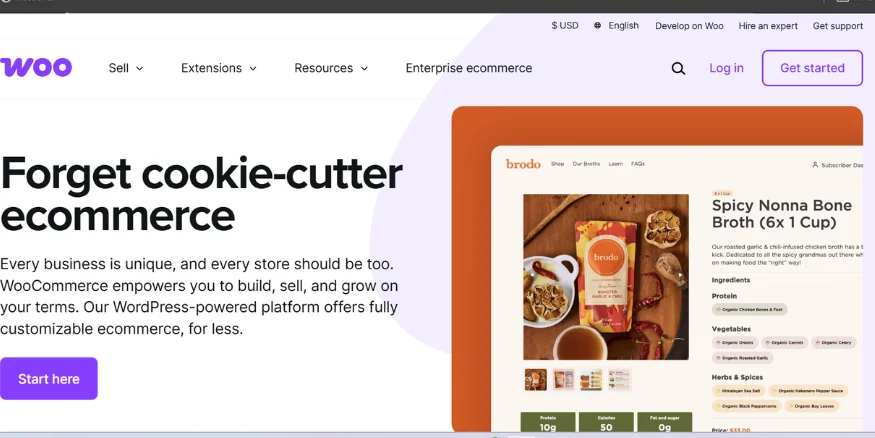
WooCommerce is a free, open-source plugin for WordPress that gives you full control over your online store. It’s flexible, beginner-friendly (with lots of tutorials to help you), and offers a great shopping experience for your customers. Many sellers even say WooCommerce beats Shopify in areas like customization and store ownership.
However, scaling a WooCommerce store can cost more over time. You might need to invest in better hosting, premium themes, or paid extensions as you grow.
Still, if you want maximum control without monthly platform fees, WooCommerce is a top choice.
You can launch your store quickly, and with WordPress’s huge ecosystem, you can build anything from a small shop to a large online brand.
| Feature | WooCommerce | Shopify |
|---|---|---|
| Cost | Free plugin; users only pay for hosting, themes, and any necessary extensions, making it highly cost-effective. | Monthly fees start at $29, plus transaction fees unless using Shopify Payments. |
| Customization | Fully customizable thanks to its open-source nature; you can modify everything with coding or plugins. | Customization is limited within Shopify’s framework unless you dive into complex Liquid coding. |
| Control & Ownership | Full ownership of your site and data; hosting is on your own chosen servers. | Shopify hosts your store and infrastructure, offering less control over data and backend systems. |
| Scalability | Highly scalable with countless plugins and extensions available to meet growing business needs. | Scalable too, but unlocking advanced features usually requires upgrading to more expensive plans. |
User Control Panel:
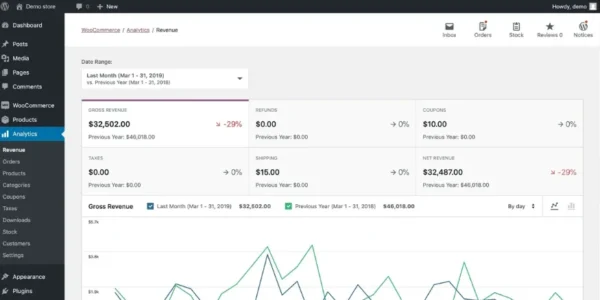
Shopify cost more than Woocommerce
Integrate your woocommerce Store with Qikink
WooCommerce Dropshipping →
2. Wix
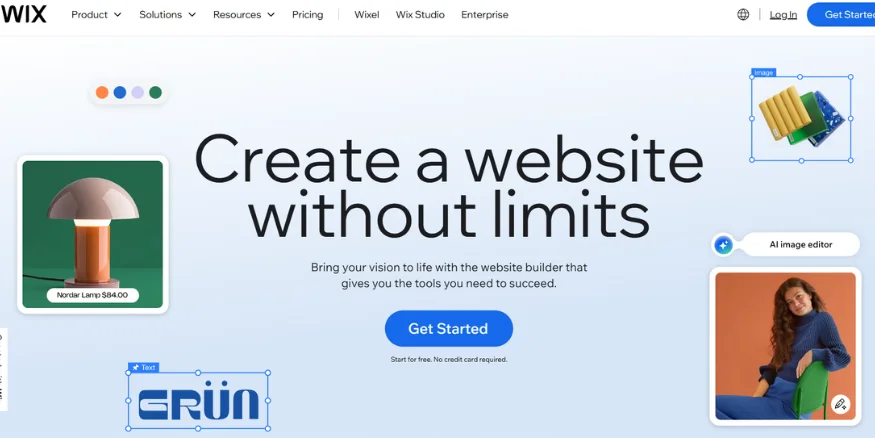
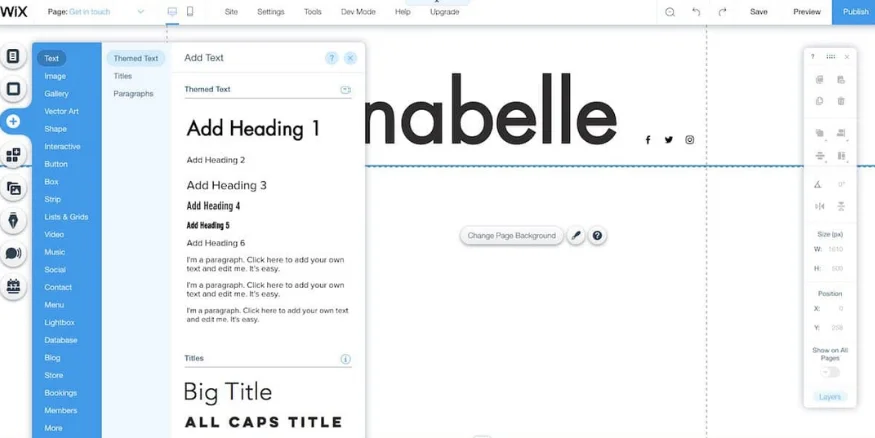
Wix is a beginner-friendly website builder that also offers integrated eCommerce features, making it a great option for small businesses, creators, and entrepreneurs looking to launch an online store quickly. Known for its drag-and-drop editor, Wix simplifies the process of building attractive, responsive websites without needing coding skills.
Unlike Shopify, Wix prioritizes design flexibility over deep eCommerce scalability. While it supports selling physical and digital products, its eCommerce features are more suitable for small to medium-sized operations. It shines with beautiful templates, app integrations, and marketing tools for growing your brand presence online.
Wix is ideal for individuals and small teams wanting to create visually compelling websites with moderate selling needs, perfect for portfolios, boutique stores, and service-based businesses.
| Feature | Wix | Shopify |
|---|---|---|
| Customization | Drag-and-drop builder with 800+ templates; great for design freedom. | Theme-based customization with liquid coding for advanced design. |
| Scalability | Best for small to mid-sized businesses; limited for large enterprises. | Scales from small stores to enterprise-level with extensive app ecosystem. |
| SEO Features | Solid SEO tools with customizable metadata, URLs, and 301 redirects. | Advanced SEO options including structured data and app integrations. |
| Multi-Store Support | No native multi-store setup; workarounds via subdomains or duplicates. | Native multi-store available on Shopify Plus or via third-party apps. |
| Product Types Supported | Supports digital, physical, and service-based products. | Wide support: digital, physical, subscriptions, services, and B2B. |
User Control Panel:
3. Squarespace

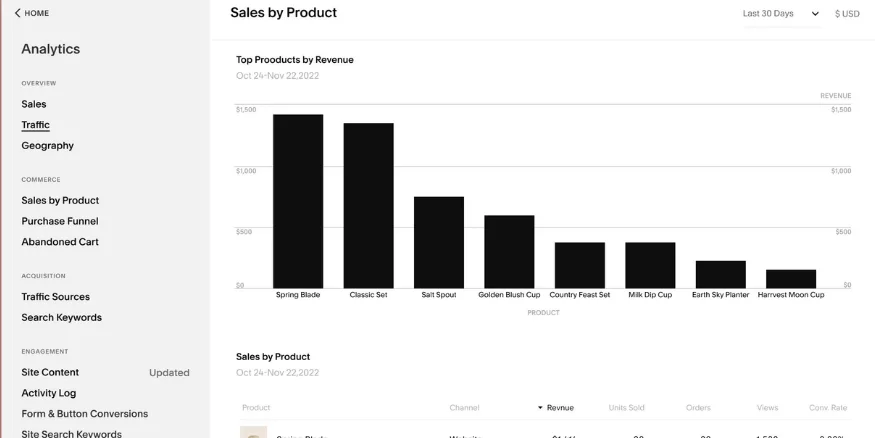
If you’re looking to launch your online business and have a small product range, Squarespace could be a great choice for you.
The platform offers a powerful website builder with a wide selection of customizable templates to get you started quickly.
However, keep in mind that Squarespace only supports online payments through PayPal and Stripe. It also provides some helpful marketing tools, including integration with AdWords, MailChimp, and tracking for Amazon Affiliates, but it might not have as many options as other ecommerce platforms.
| Feature | Squarespace | Shopify |
|---|---|---|
| Design and Aesthetics | 150+ premium templates for visually stunning stores. | Functional but less design-focused templates. |
| Content and Blogging | Superior content management and blogging tools. | Basic blogging features. |
| SEO Capabilities | Strong out-of-the-box SEO with customizable URLs and schema markup. | Robust SEO, but URL structures are less flexible. |
| Content-Commerce Integration | Blends website design with commerce for small stores. | Designed for large-scale ecommerce operations. |
User Control Panel:
4. BigCommerce
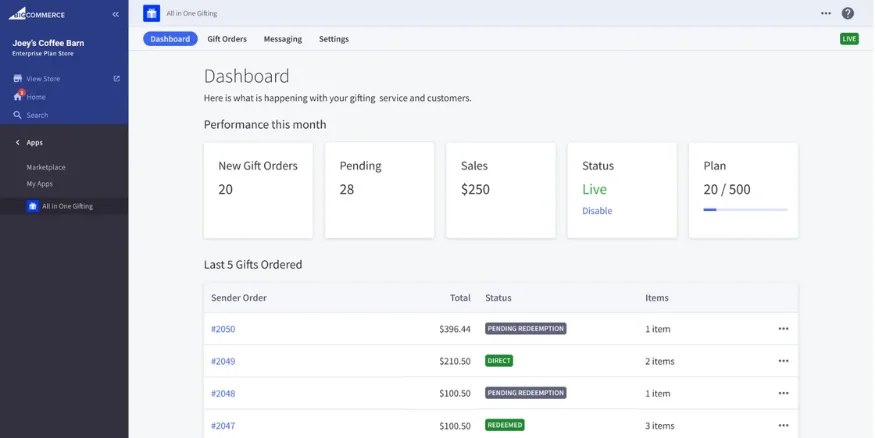
BigCommerce is ideal for those seeking a straightforward, no-frills experience with the flexibility of a drag-and-drop editor for website setup.
While the platform offers a range of beautiful themes, only seven are free across all industries. Premium themes require a paid plan, which gives BigCommerce an edge over Shopify in terms of customization.
However, when it comes to load times, BigCommerce tends to be a bit slower compared to other platforms.
| Feature | BigCommerce | Shopify |
|---|---|---|
| Transaction Fees | No transaction fees for any payment provider, saving on high sales volumes. | Transaction fees (0.5% to 2%) unless using Shopify Payments, limiting payment flexibility. |
| Built-in Features | Robust tools like advanced SEO and multi-currency support, with no need for third-party apps. | Relies heavily on third-party apps, adding complexity and cost for similar features. |
| Product Limits | No product limits across all plans, ideal for large inventories. | Basic plans have product limits, making scaling more dependent on higher-tier plans. |
| Scalability | Automatically adjusts based on sales volume and supports multi-storefront management. | Requires apps or customizations for similar scalability, with less flexibility. |
User Control Panel:
5. Magento
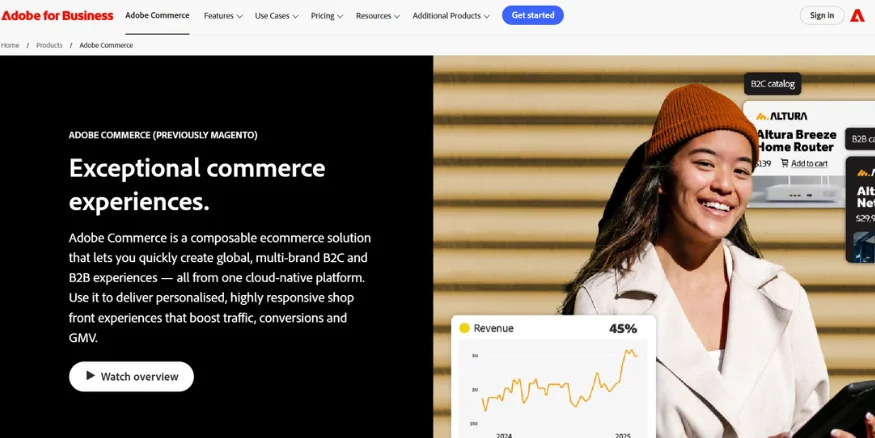
Magento, a popular choice for established store owners, has a long history acquired by eBay in 2011 and by Adobe in 2018. It’s well-suited for businesses looking to scale, offering an open-source ecosystem ideal for customization.
With pricing similar to WooCommerce, Magento is a top Shopify alternative. While the content management software is free, you’ll need to pay for hosting, themes, and plugins.
Magento excels at supporting large-scale operations and complex product catalogs, making it a great choice for growing businesses.
| Feature | Magento (Adobe Commerce) | Shopify |
|---|---|---|
| Customization | Fully customizable due to its open-source nature, perfect for unique designs and functionalities. | Limited customization with built-in themes and apps, restricting advanced design flexibility. |
| Scalability | Great for large enterprises with high traffic and complex catalogs, supporting advanced B2B needs. | Best suited for small to medium-sized businesses; enterprise-level capabilities require add-ons. |
| SEO Features | Advanced SEO control, including customizable URLs, metadata, and canonical tags. | Basic SEO features, with advanced tools requiring third-party apps. |
| Multi-Store Support | Built-in multi-store functionality for easy storefront management. | Requires third-party apps or higher-tier plans for multi-store management. |
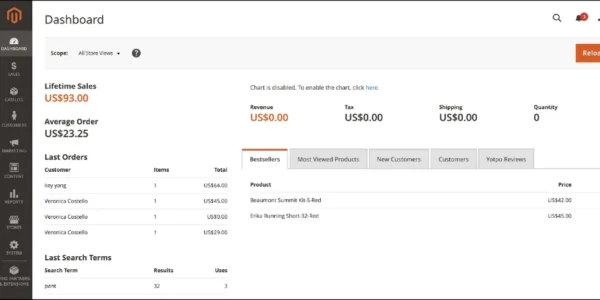
User Control Panel:
Profit Margin in Dropship Business
Calculate your dropshipping profit margin with Qikink
Dropshipping Profit-Margin Calculator →
6. PrestaShop
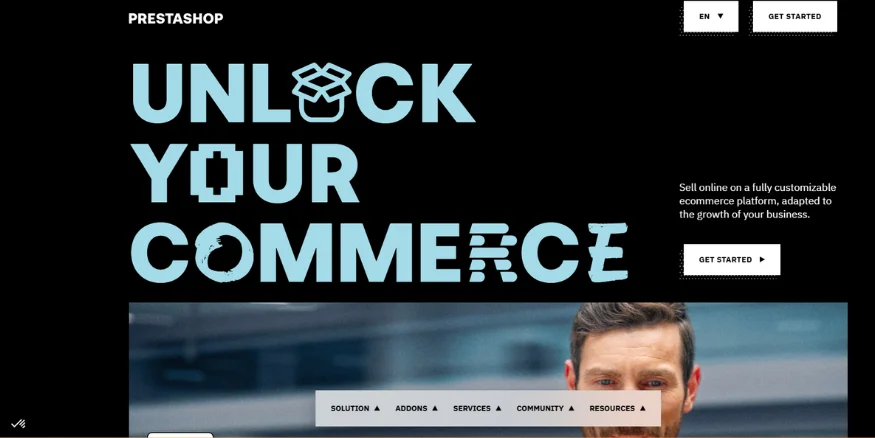
PrestaShop is a great budget-friendly Shopify alternative, especially for entrepreneurs. While it’s technically free, you will need to pay for hosting, a domain name, and optional modules. PrestaShop partners with platforms like Azure and WebHostingHub.
Though the themes and templates are somewhat limited, PrestaShop matches Shopify in usability. There are no extra transaction fees, and it supports up to 25 languages and multiple currencies. If you have a good developer, PrestaShop can be a powerful and cost-effective solution for building an online store.
| Feature | PrestaShop | Shopify |
|---|---|---|
| Cost | Free to use (open-source); only pay for hosting, domain, and optional modules. | Subscription starts at $29/month, with additional transaction fees unless using Shopify Payments. |
| Customization | Open-source with extensive options, offering over 5,000 modules and themes. | Limited customization without third-party apps or advanced coding knowledge. |
| Scalability | Highly scalable, depending on hosting, suitable for businesses of all sizes. | Scalability depends on pricing tiers; advanced features require higher plans. |
| SEO Features | Includes built-in SEO tools like structured data, meta tags, and optimized URLs. | Basic SEO features; advanced capabilities require additional apps. |
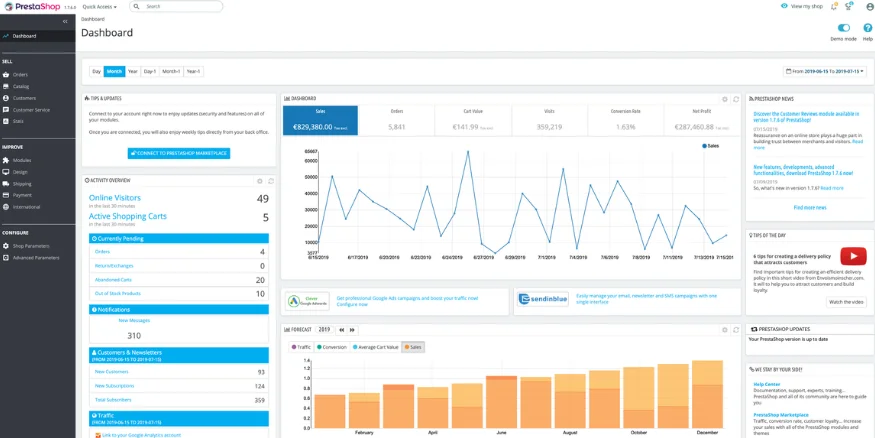
User Control Panel:
7. Ecwid
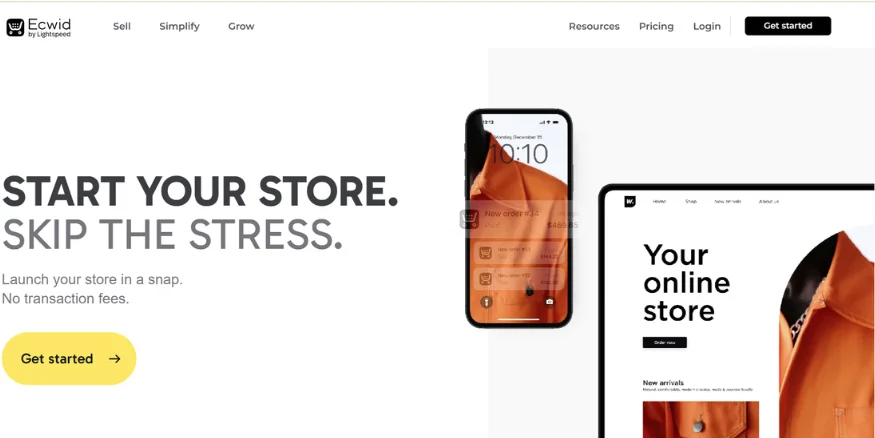
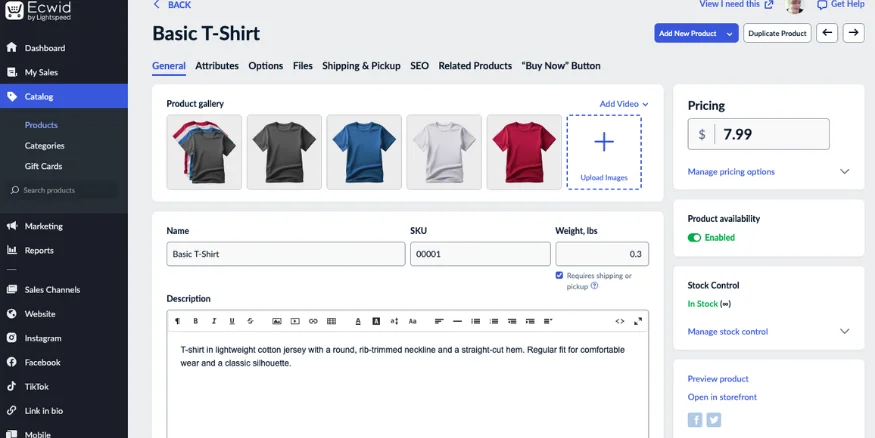
Ecwid is an easy-to-use ecommerce tool that lets you add an online store to your existing website or sell on social media and marketplaces. It connects seamlessly to platforms like WordPress, Wix, and Joomla, and supports selling on Instagram, Facebook, Amazon, and WhatsApp.
With quick setup, Ecwid offers tools for both online and in-person sales, supports various payment methods, and lets you sell physical and digital products. It also includes marketing features like automated emails, discount codes, and abandoned cart recovery to boost sales.
| Feature | Ecwid | Shopify |
|---|---|---|
| Integration Flexibility | Easily plugs into existing sites. | Typically requires building a new site. |
| Shipping Features | Real-time rates across many global carriers. | Limited without apps. |
| Multi-Channel Selling | Direct integrations with Facebook, Instagram, Amazon. | Similar features but often through apps. |
| Digital Goods Support | Sells digital products up to 25GB. | Max file size is 5GB. |
User Control Panel:
8. OpenCart
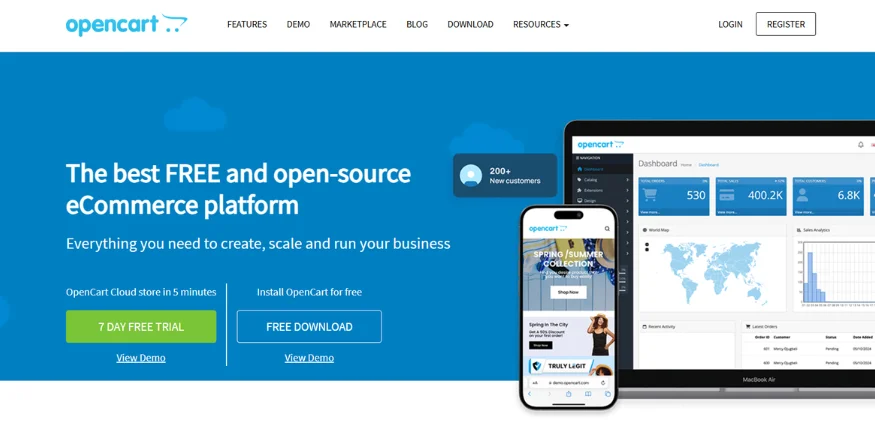
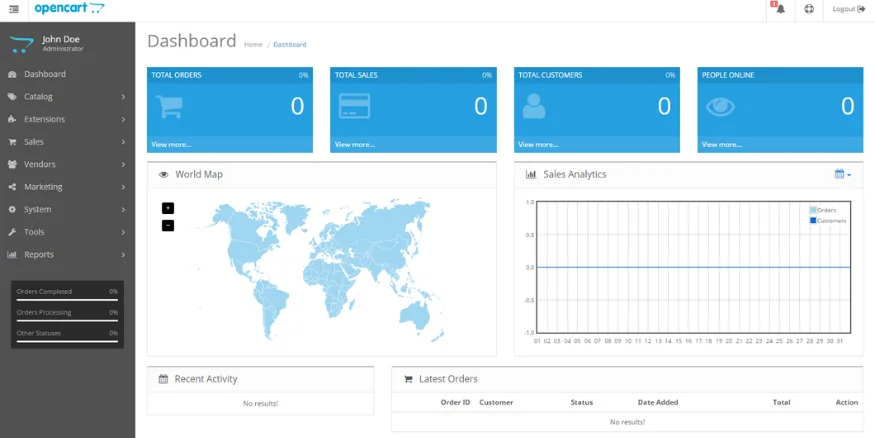
OpenCart is a free and flexible alternative to Shopify, offering a modern platform that lets you create professional, customizable websites to suit your business needs.
It comes with comprehensive documentation and boasts a strong user community. Additionally, OpenCart supports thousands of add-ons and third-party modules, providing the flexibility and features that many ecommerce businesses require.
| Feature | OpenCart | Shopify |
|---|---|---|
| Customization Flexibility | Full access to modify all code for complete control. | Limited deep customization without premium plans or apps. |
| Multi-Store Management | Built-in capability to manage multiple stores. | Requires third-party apps or high-tier plans. |
| SEO Capabilities | Full control over SEO elements like metadata and sitemaps. | Good built-in SEO; plugins needed for advanced needs. |
| Scalability | Modular structure supports high-traffic scaling. | Scalable but relies on subscription upgrades. |
User Control Panel:
9. Weebly
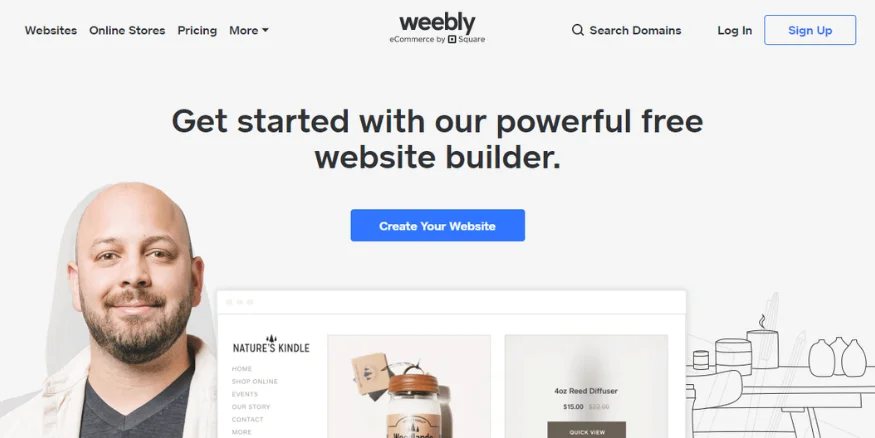
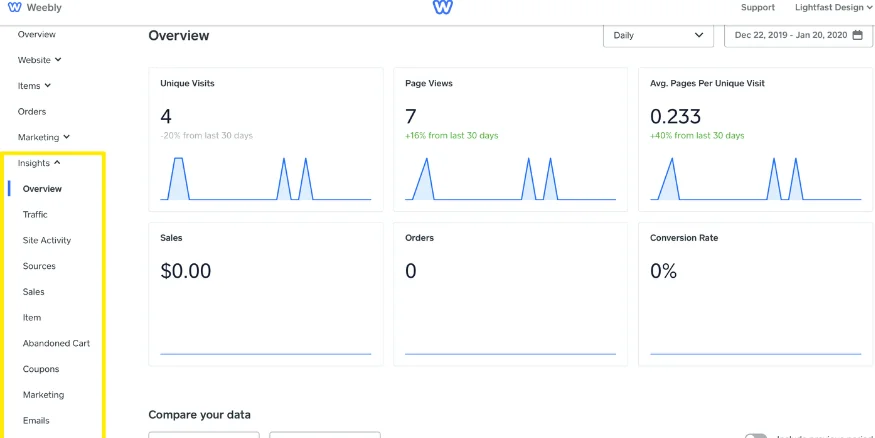
Weebly is a beginner-friendly, hosted ecommerce platform that serves as a free alternative to Shopify.
While it doesn’t offer as many advanced features as Shopify, Weebly’s most expensive plan is still more affordable than Shopify’s Basic Plan, making it a great option for budget-conscious entrepreneurs.
Its drag-and-drop builder makes website setup simple and intuitive, ideal for users with little to no technical experience. However, Weebly’s limited scalability and feature set may become a drawback as your store grows or your business needs become more complex.
| Feature | Weebly | Shopify |
|---|---|---|
| Integration with Square | Built-in integration for POS and online sales. | Shopify Payments or third-party integrations. |
| Real-Time Shipping Rates | Built-in dynamic shipping rates. | Requires apps or upgrades. |
| Mobile-Friendly Design | Responsive templates out of the box. | Mobile adjustments often needed manually. |
| App Integration | Simple app ecosystem for smaller businesses. | Vast app ecosystem, but can be overwhelming. |
User Control Panel:
10. Shift4Shop (formerly 3DCart)

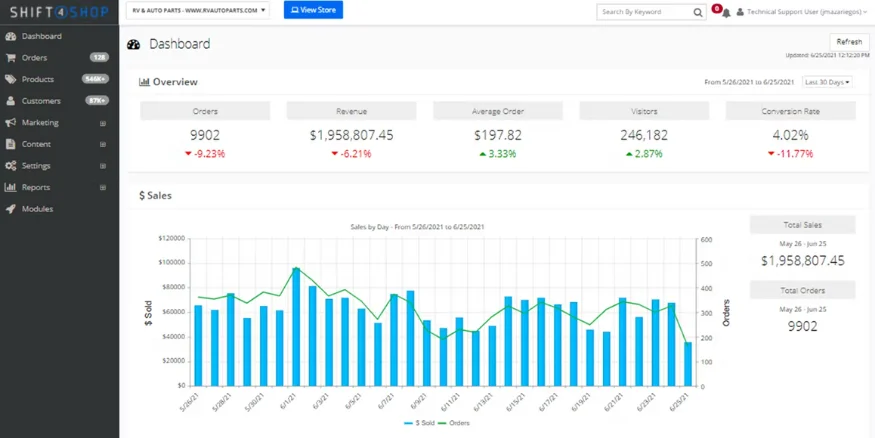
3DCart, now known as Shift4Shop after its acquisition by Shift4 in 2020, is a solid hosted ecommerce platform for store owners. It offers a free end-to-end ecommerce solution for U.S. residents.
For international users, pricing starts at $29/month, with higher-tier plans reaching up to $229/month. These plans include a variety of features such as SEO tools, abandoned cart email follow-ups, and personalized product options. Additionally, you get Facebook sync, versatile functionality, and access to excellent web design services with reasonably priced SSL certificates.
However, the platform does have some drawbacks. It can be a bit sluggish, and the available themes are limited in variety. Furthermore, customer support often receives mixed reviews.
| Feature | Shift4Shop | Shopify |
|---|---|---|
| Built-in SEO Tools | Robust SEO features, including AMP support and customizable URLs. | Basic SEO tools; AMP support and URL customization require plugins. |
| Theme Customization | Supports responsive design with Bootstrap and AJAX for seamless customization. | Limited customization unless using higher-tier plans or third-party apps. |
| B2B Features | Built-in B2B tools like pricing rules, customer segmentation, and custom catalogs. | Requires third-party apps for advanced B2B capabilities. |
| No App Dependence | Most features are built-in, reducing the need for third-party integrations. | Heavily relies on third-party apps for advanced functionality. |
User Control Panel:
11. Big Cartel
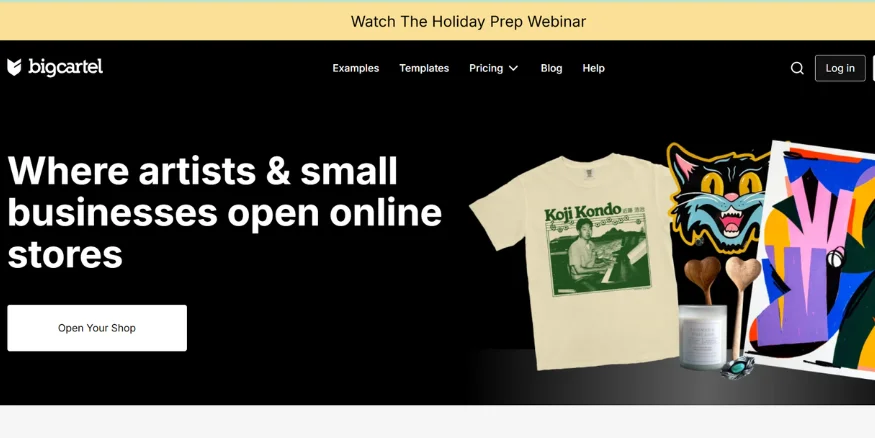
Big Cartel is a platform specifically created for a niche audience, including content creators, artists, and artisans. It serves as a simple yet effective solution for individuals looking to sell their unique products online.
Often seen as a direct alternative to Etsy, Big Cartel emphasizes a clean, minimalist design that showcases products in an appealing, straightforward manner. Since its launch in 2005, Big Cartel has helped users sell over $2.5 billion worth of goods and services, solidifying its position as a trusted platform for small businesses and creative entrepreneurs.
| Feature | Big Cartel | Shopify |
|---|---|---|
| Code Customization | Direct editing of HTML, CSS, and JS. | Requires use of Shopify’s Liquid. |
| Real-Time Analytics | Built-in live visitor and sales tracking. | Advanced metrics need additional apps. |
| Payment Processing | No extra fees, supports PayPal and Stripe. | Additional fees if not using Shopify Payments. |
User Control Panel:
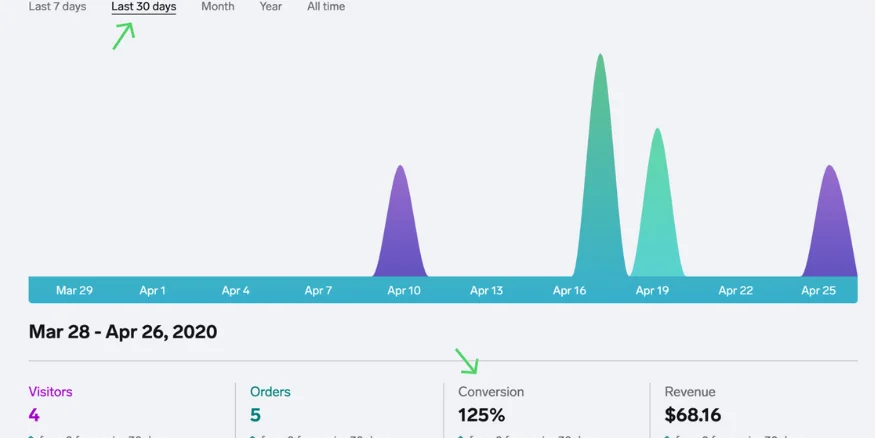
12. Sellfy
Sellfy is an easy-to-use Shopify alternative made for individuals and small businesses who don’t have technical skills. It lets you quickly set up and manage an online store without any coding.
You can sell both physical products like clothes and accessories, and digital products like ebooks, music, videos, and software. Sellfy also supports subscriptions, so you can offer memberships or recurring content. The platform comes with a 30-day money-back guarantee, giving you a risk-free way to try it out.
| Feature | Sellfy | Shopify |
|---|---|---|
| Embedded Storefront | Easy embedding into existing sites. | Requires extra configuration. |
| Payment Gateways | Simplified Stripe and PayPal integration. | Multiple gateways but adds fees without Shopify Payments. |
| Product Customization | Bundle and preview products easily. | Complex setups for bundling. |
User Control Panel:
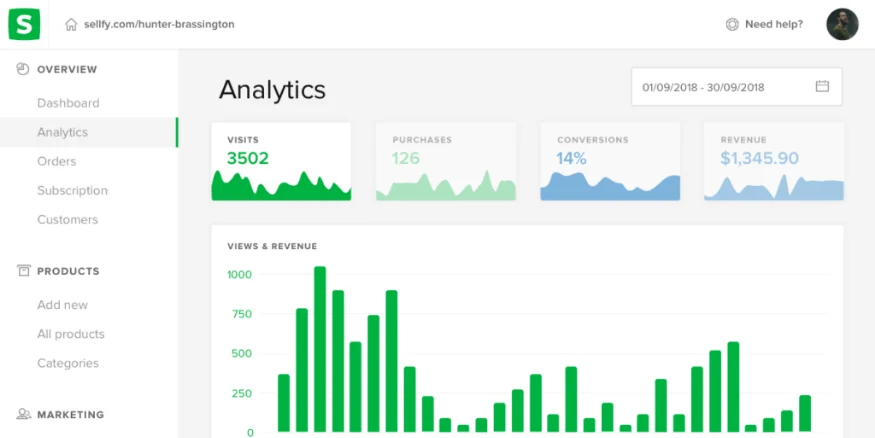
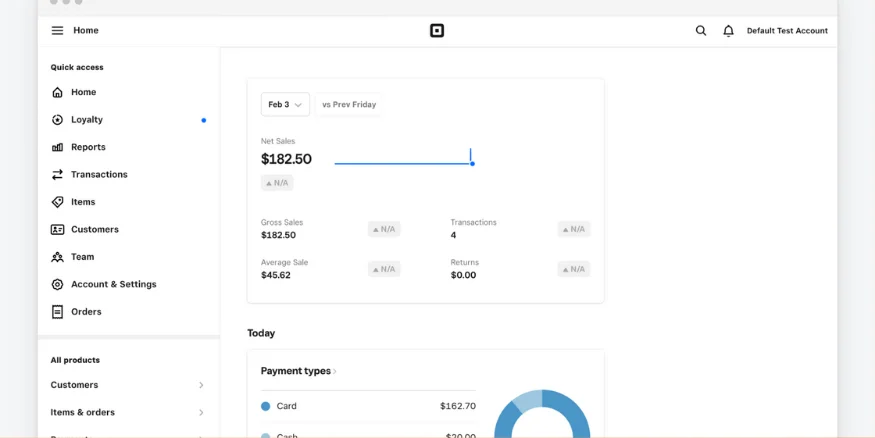
13. Square Online Store
The Square Online Store is a simple, all-in-one solution for businesses that find Shopify too complex or expensive. It’s especially popular for its ease of use and affordable pricing.
Square’s free plan includes basic features like a shopping cart, unlimited product listings, and transaction processing, but it only supports payments through Square. To accept PayPal, you’ll need to upgrade to a paid plan.
While Square is a great choice for beginners, its free plan has limitations. As your business grows, you may need more payment options and tools, which are only available on higher-tier plans. Without upgrading, your store’s ability to scale could be restricted.
| Feature | Square Online Store | Shopify |
|---|---|---|
| Integrated Payment Gateway | Built-in Square Payments. | Shopify Payments or third-party setup. |
| Real-Time Data Sync | Auto-sync with Square POS, online store, and inventory. | Requires manual setup or apps. |
| API for Extensions | Simple APIs for core business needs. | Advanced APIs for developers. |
| Custom Features | Supports basic automation and inventory management. | More robust but needs coding expertise. |
User Control Panel:
14. Gumroad
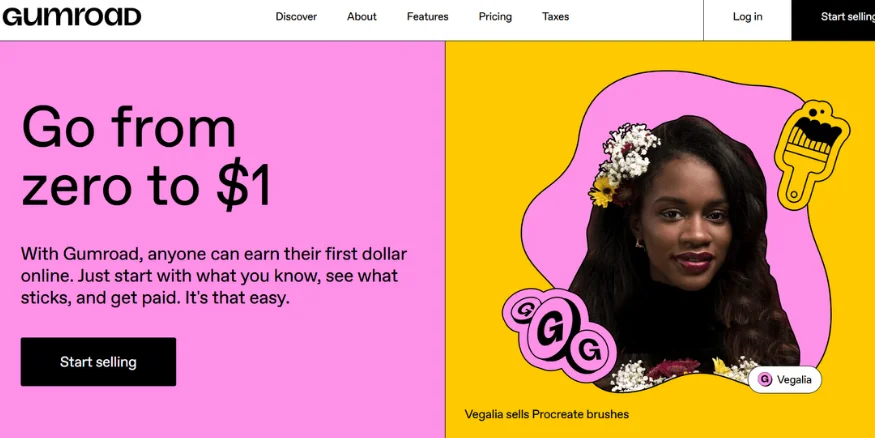
Gumroad is a lightweight eCommerce platform designed primarily for creators such as writers, artists, designers, and developers looking to sell digital products with minimal setup. Known for its simplicity, Gumroad allows users to start selling within minutes, with built-in tools for product delivery, payments, and customer management.
Unlike full-fledged eCommerce platforms, Gumroad focuses on ease of use rather than advanced customization or scaling. It’s especially popular among solopreneurs and indie creators who want a no-fuss platform to monetize their content, digital downloads, memberships, or services.
With no need for hosting, coding, or third-party plugins, Gumroad is a great Shopify alternative for individuals who want to sell quickly without building a full online store.
| Feature | Gumroad | Shopify |
|---|---|---|
| Customization | Very limited customization – mainly a sales page with basic branding options. | More design flexibility with themes, templates, and custom code. |
| Scalability | Best for solo creators and small digital product catalogs. Not designed for scaling. | Designed to scale from small to large eCommerce businesses. |
| SEO Features | Minimal SEO control (basic page titles and descriptions). | Basic SEO features; enhanced options through apps or code. |
| Multi-Store Support | No support for multi-store, multilingual, or regional features. | Requires add-ons or higher-tier plans for multi-store capabilities. |
| Product Types Supported | Focused on digital products, subscriptions, and memberships. | Supports both digital and physical products, services, and memberships. |
User Control Panel:
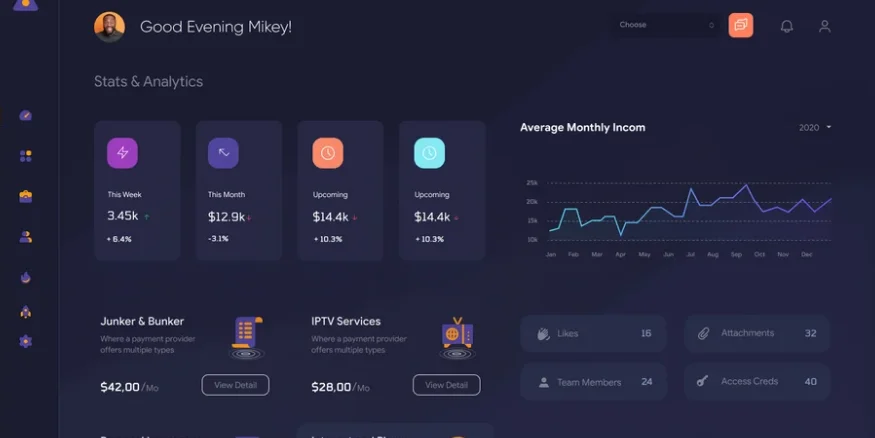
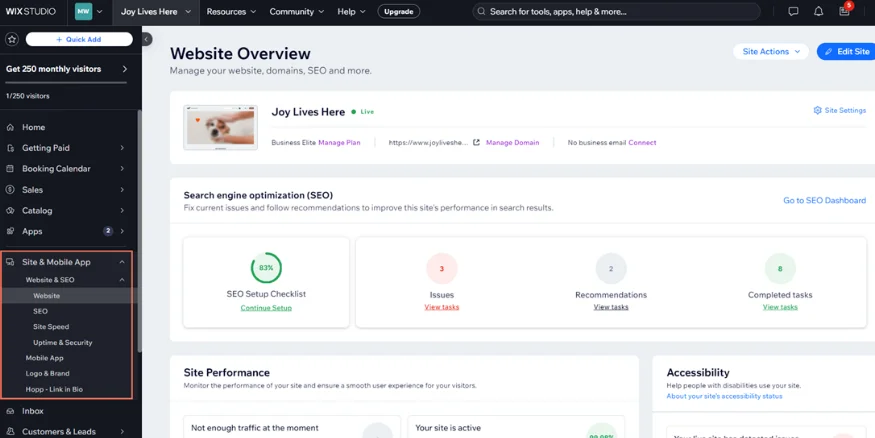
15. Wix Studio
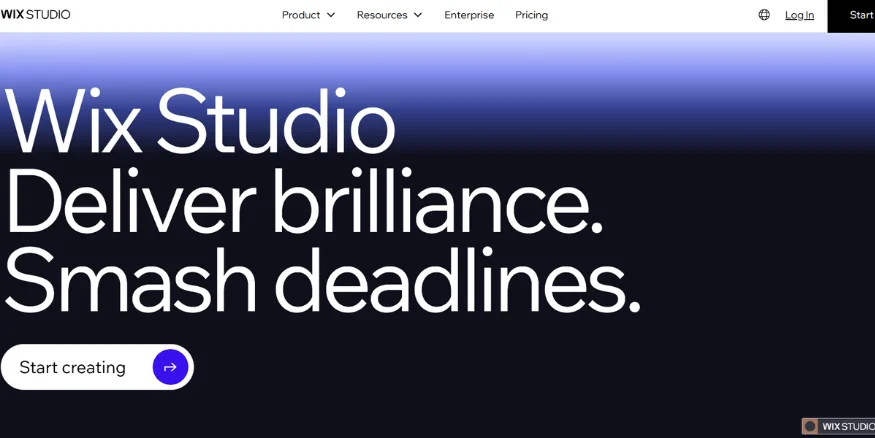
Wix Studio is a web design platform designed for agencies, enterprises, and freelancers who need advanced tools without heavy coding. It offers features that simplify collaboration, project management, and website creation, allowing users to build high-quality, responsive websites easily.
Wix Studio stands out for its versatility, providing no-code animation, advanced SEO, and a flexible development environment, making it ideal for ecommerce, portfolio sites, service businesses, and complex websites.
| Feature | Wix Studio | Shopify |
|---|---|---|
| App Marketplace | Apps for blogs, portfolios, and ecommerce. | Ecommerce-focused app ecosystem. |
| Ecommerce Functionality | Suitable for content-heavy stores and small businesses. | Best for scaling large ecommerce stores. |
| Customization | Freedom to design any type of website. | Focused mainly on ecommerce site design. |
User Control Panel:
16. PinnacleCart
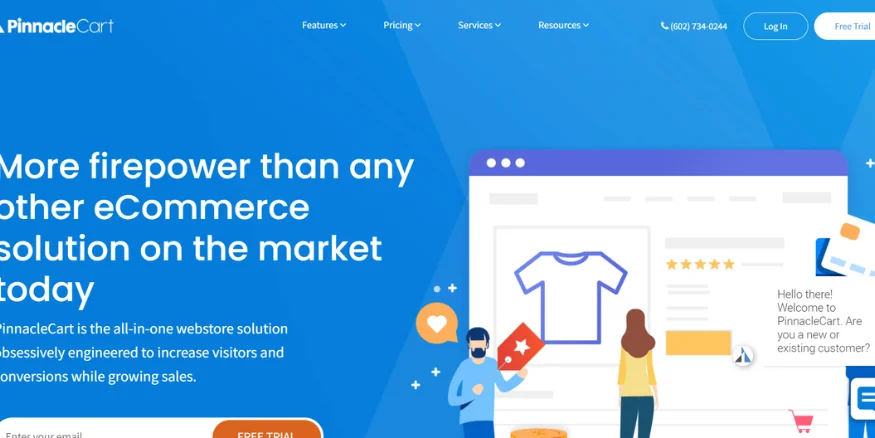
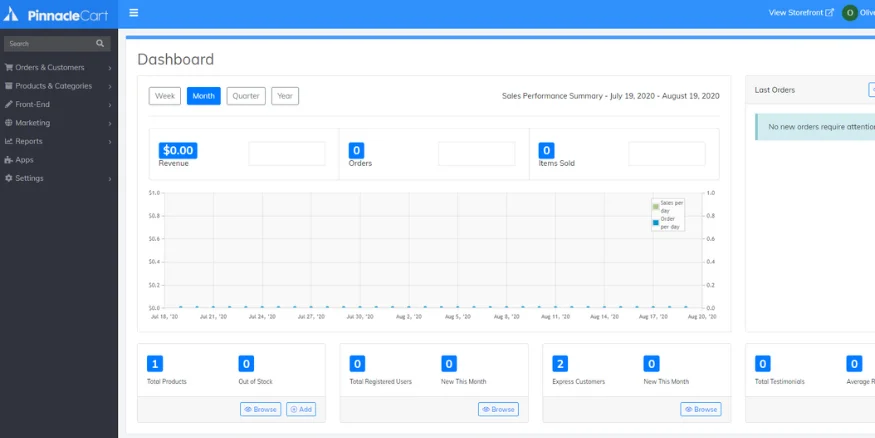
PinnacleCart is a solid Shopify alternative for business owners who want to launch an online store without a large upfront investment. It’s designed to be budget-friendly, but setting up the backend can be tricky for those without technical skills.
The free version of PinnacleCart requires users to use PruPay as the primary payment gateway. While the platform is user-friendly overall, its limited support for custom coding may restrict flexibility and scalability as your business grows.
On the plus side, PinnacleCart offers flexible hosting options; you can either use their hosting or bring your own, giving you more control over your store’s performance.
| Feature | PinnacleCart | Shopify |
|---|---|---|
| Customization Flexibility | Full backend access for coding. | Proprietary templating via Liquid. |
| Integration Capabilities | Tailored integrations for niche workflows. | Large but generalized app marketplace. |
| SEO and Marketing Tools | Built-in SEO, QR code, and promo tools. | Requires apps for some marketing features. |
| Hosting Options | Flexible hosting options. | Shopify-hosted infrastructure only. |
User Control Panel:
17. Dukaan
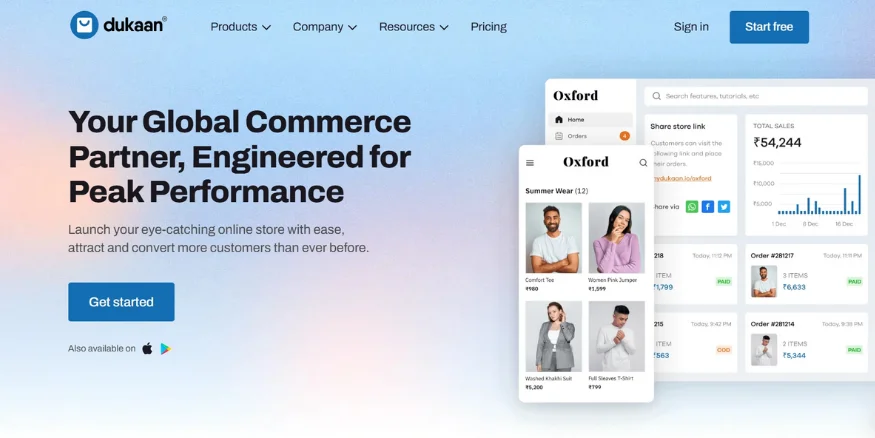
Dukaan is an excellent choice for B2C and D2C businesses looking for an all-in-one eCommerce solution. This powerful SaaS platform allows you to set up an online store in under a minute. Its standout feature is its simplicity and scalability – no coding skills are required to use it, making it accessible to everyone.
Dukaan provides a range of robust eCommerce features right in its user-friendly dashboard. Even with its advanced tools, there’s no steep learning curve, which sets it apart from many other platforms.
Customizing your store is easy with Dukaan. The platform offers a variety of free, mobile-responsive themes optimized for fast loading. For those with technical skills, you can also enhance your store further by adding custom CSS for personalized design elements.
| Feature | Dukaan | Shopify |
|---|---|---|
| Ease of Use | Extremely user-friendly, with a no-code setup and quick onboarding. | Also user-friendly but requires more setup for advanced features. |
| Mobile-first Approach | Mobile-friendly templates and easy conversion to mobile apps. | Mobile apps are supported but lacks a built-in store-to-app feature. |
| Built-in Features | Includes tax automation, marketing tools, and product uploads at no extra cost. | Many advanced features require third-party apps or higher-tier plans. |
User Control Panel:
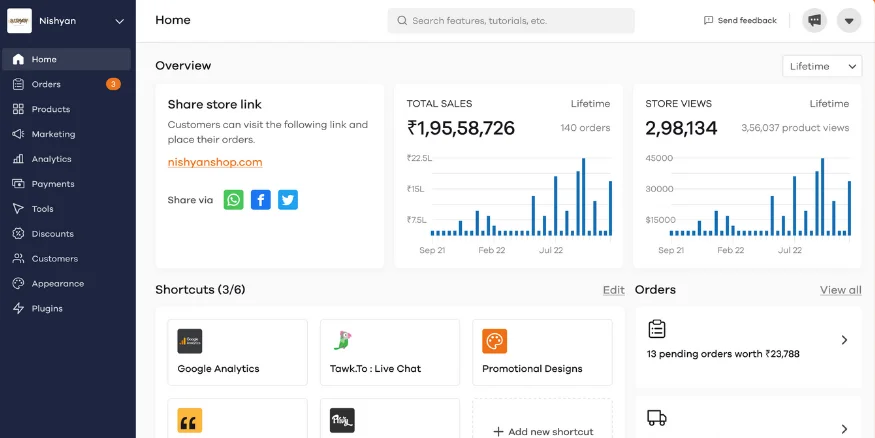
18. Fynd Platform
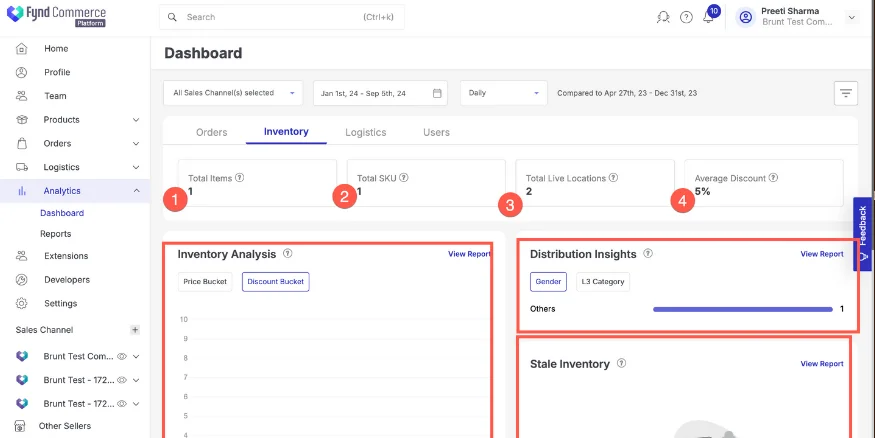
Fynd, a modern eCommerce solution backed by Reliance, offers a cloud-based platform ideal for retailers aiming for fast, flexible online growth. Unlike traditional self-hosted systems, Fynd provides an end-to-end solution from storefront to logistics and omnichannel integration.
With a no-code interface and low setup costs, Fynd is a strong Shopify alternative, especially for Indian retailers seeking simplicity without sacrificing scalability. The platform includes hosting, security, and customer support in its plans, reducing the complexity of managing multiple vendors.
Fynd is particularly appealing for fashion, lifestyle, and home brands looking to unify offline and online inventory, thanks to its native integrations with POS systems and delivery partners.
| Feature | Fynd Platform | Shopify |
|---|---|---|
| Customization | Easy-to-use visual editor with custom blocks. Supports code-level changes for advanced users. | Limited to theme editor and approved apps unless on higher-tier plans. |
| Scalability | Built for both SMEs and enterprise brands, with strong omnichannel features and Reliance ecosystem support. | Good for small to mid-sized businesses; large-scale features cost extra. |
| SEO Features | Basic SEO tools included, with dynamic meta tags and sitemaps. | Basic SEO tools; requires apps for deeper SEO control. |
| Multi-Store Support | Supports multiple storefronts and marketplaces via a single dashboard. | Requires third-party apps or higher-tier plans. |
User Control Panel:
19. StoreHippo
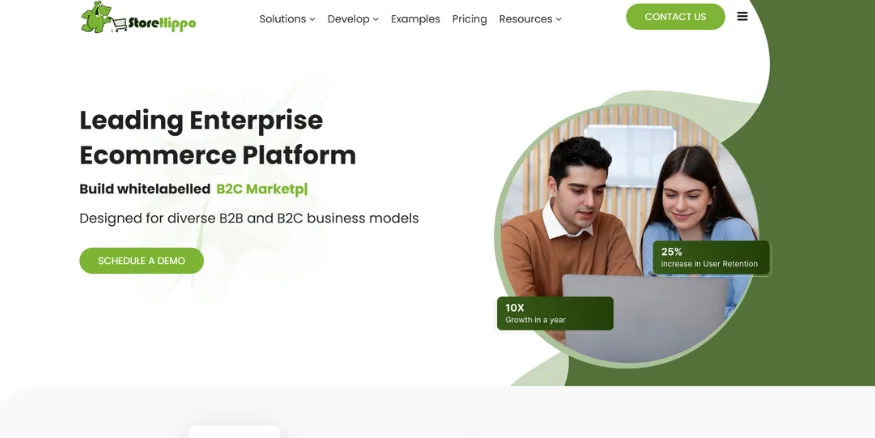
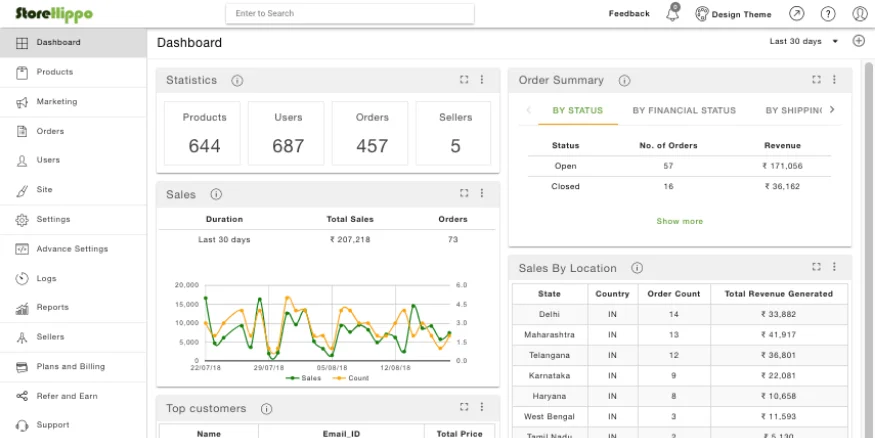
StoreHippo is a versatile eCommerce platform built with a mobile-first and headless architecture, making it a solid choice for businesses that want agility, customization, and scalability. Designed for global and enterprise-level commerce, StoreHippo supports B2C, B2B, D2C, and multi-vendor marketplaces out of the box.
Offering more flexibility than traditional SaaS platforms, StoreHippo combines the benefits of low-code development with high customization, making it a powerful alternative to Shopify and Magento for Indian and international sellers alike.
It’s especially suited for brands with unique requirements like multilingual, multi-currency, or multi-store setups, all managed from a single backend.
| Feature | StoreHippo | Shopify |
|---|---|---|
| Customization | Highly customizable with headless architecture and developer access. | Limited to theme customization and apps unless using Shopify Plus. |
| Multi-Store & Multi-Language Support | Built-in multi-store, multilingual, and multi-currency support from one backend. | Requires separate setups, third-party apps, or higher-tier plans. |
| Marketplace Support | Native support for multi-vendor marketplaces out of the box. | No built-in marketplace support; requires external apps and setup. |
| B2B & D2C Readiness | Robust features for B2B, D2C, and hybrid models including custom pricing, forms, and workflows. | Primarily designed for B2C; B2B requires Shopify Plus. |
| Mobile & PWA | Mobile-first design with native Progressive Web App (PWA) support. | Mobile-responsive themes; PWA support needs additional apps or code. |
User Control Panel:
20. Hostinger
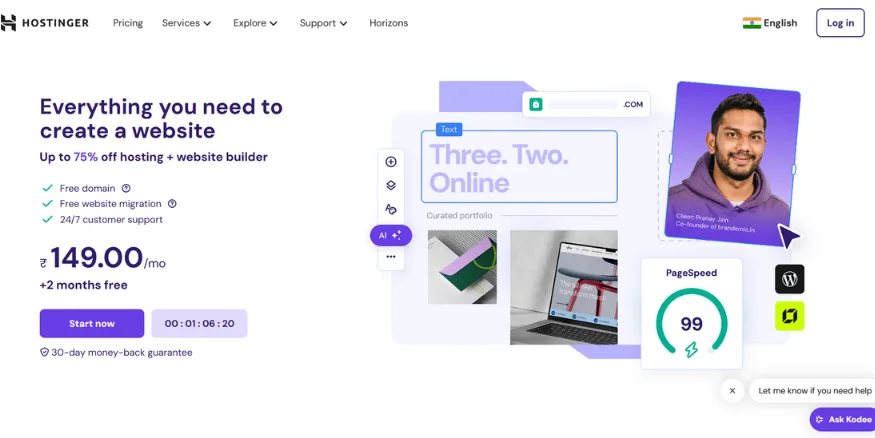
Hostinger’s eCommerce platform is an accessible, budget-friendly solution tailored for small businesses, startups, and individual sellers entering the online space. Built on simplicity and speed, it offers a beginner-friendly interface with pre-designed templates and drag-and-drop functionality, making it easy for non-technical users to launch an online store quickly.
While not as feature-rich as enterprise-grade platforms, Hostinger eCommerce provides essential tools for product management, SEO, and payment integration. It’s ideal for sellers prioritizing ease of use and affordability over deep customization or scalability.
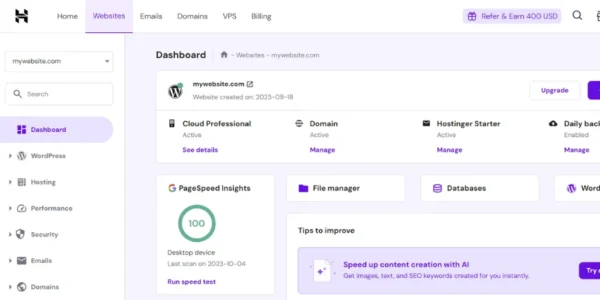
Hostinger includes hosting, security, and support in its plans, making it a streamlined all-in-one solution for launching basic eCommerce operations without third-party dependencies.
| Feature | Hostinger eCommerce | Shopify |
|---|---|---|
| Customization | Basic customization via drag-and-drop builder; limited flexibility for complex designs. | Limited customization unless on Shopify Plus or using apps. |
| Scalability | Best for small-scale operations; not intended for enterprise or multi-vendor use cases. | Scales well for SMEs; complex use cases need custom development. |
| SEO Features | Offers core SEO settings like meta titles, descriptions, and clean URLs. | Basic SEO out-of-the-box; deeper control requires apps. |
| Multi-Store Support | Does not support native multi-store or advanced multilingual features. | Requires add-ons or higher-tier plans for similar capabilities. |
User Control Panel:

Why You Need a Shopify Alternative?
Shopify is a powerful and popular eCommerce platform, but it’s not perfect for everyone. There are several reasons why businesses look for Shopify alternatives:
1. High Monthly Costs:
Shopify’s subscription fees add up, especially once you start adding paid apps, premium themes, and transaction fees (unless you use Shopify Payments). For startups or small businesses, this can quickly strain the budget.
2. Limited Flexibility Without Apps:
Many key features (like advanced SEO tools, custom checkout flows, or deep reporting) require third-party apps. Managing too many apps can make your store complicated and more expensive.
3. Transaction Fees:
Unless you exclusively use Shopify Payments, Shopify charges extra transaction fees (up to 2% per sale), which can eat into your profit margins, especially for high-volume businesses.
4. Customization Challenges:
Although Shopify offers good customization with its themes and Liquid coding, making deeper changes often requires developer skills. Not ideal if you want full creative control without hiring technical help.
5. Scaling Costs:
As your business grows, Shopify’s pricing tiers force you into more expensive plans to unlock advanced features like reports, international selling options, or multi-store setups.
6. Better Fit Elsewhere:
Depending on your business model, whether it’s print-on-demand, digital products, services, or B2B commerce, other platforms like WooCommerce, BigCommerce, Wix, Squarespace, or Ecwid might offer more flexibility, lower costs, or industry-specific advantages.
7. Desire for Open Source or Ownership:
Some entrepreneurs prefer open-source platforms like WooCommerce (WordPress) or Magento, where they own and control every aspect of their store, from hosting to design.
How to Choose the Best Shopify Alternative for You?
When looking for a Shopify alternative, consider more than just the cost. It’s important to choose a platform that fits your business goals, technical skills, and future growth. Here are key factors to help you decide:
1. Ease of Use and Setup
If you’re a beginner or need a quick setup, choose platforms with user-friendly design tools. Wix and Weebly are great for first-time store owners, with drag-and-drop editors and easy templates. More complex platforms like Magento offer deep customization but require more technical expertise.
Tip
Consider how much time and technical effort you can realistically invest upfront and over time.
2. Support for Multi-Channel Selling
If you want to sell on multiple platforms (Amazon, Etsy, Instagram), pick a solution with built-in multi-channel support. BigCommerce and Ecwid integrate easily with major marketplaces and social platforms.
Tip
Multi-channel selling can boost visibility, but managing it needs a strong backend.
3. Scalability for Growth
Choose a platform that can grow with your business. If you expect high sales or a larger product range, go for scalable platforms like BigCommerce or Magento. For smaller businesses, Shift4Shop or Squarespace Commerce offer good value without sacrificing growth potential.
Tip
Avoid outgrowing your platform too quickly, as migration can be costly and disruptive.
4. Customization Needs
If customization is important, look for platforms like PrestaShop or Magento, which offer deep flexibility. If you prefer simplicity with some customization, Wix and Squarespace might be a better fit.
Tip
List essential features and design elements before choosing a platform.
5. Specialized Features
Consider platforms with features tailored to your business. Square Online is ideal for physical businesses, Sellfy is great for creators selling digital products, and WooCommerce suits businesses using WordPress.
Tip
Specialized platforms can save you time and money by offering optimized features for your niche.
6. Budget and Ownership
Think about your total cost of ownership, including hosting, apps, and developer help. WooCommerce (self-hosted) offers financial control, while open-source platforms give you full ownership of your site.
Tip
Consider all costs, not just the monthly plan price.
Note:
The best Shopify alternative depends on your current needs and future goals. Whether you prioritize simplicity, scalability, or customization, there’s a platform out there for you. Take time to list your priorities, research options, and try out free trials to find the right fit.
Conclusion
Choosing the right eCommerce platform is a big decision, and while Shopify is a strong contender, it’s not the only option. Whether you’re looking for a free solution to get started, a paid platform with more built-in features, or an alternative that gives you more flexibility and control, there’s something out there that fits your needs.
Platforms like WooCommerce, BigCommerce, Wix, Squarespace, and others each offer unique advantages and a few limitations you’ll want to consider.
The best approach? Think about your budget, your business model, and how much customization or scalability you’ll need as you grow. With the right platform, you can build a beautiful, high-performing online store that supports your goals today and scales with you tomorrow.
Read More
- Best Shopify Apps for Dropshipping for Product Sourcing (Free & Paid)
- Best Shopify Dropshipping Store Examples You Can Learn From
- Shopify Product API: How to Add New Products to Your Store
- WooCommerce vs Shopify: Which is Good for Your Online Store
Frequently Asked Questions
1. What is the Best Alternative to Shopify?
2. What is the Biggest Competitor of Shopify?
3. Who Uses Shopify the Most?
4. What is Better than Shopify Payments?
5. What is the Cheapest Way to get Shopify?
Share the Article


