
The best print on demand niches in India for 2026 include youth fashion, pet products, cricket & sports, anime, corporate gifting, and other consistently high-demand categories. A print on demand niche is a specific audience or interest group, such as cricket fans or new pet owners, that you create products for instead of selling generic designs to everyone.
Based on Qikink’s seller trends, cricket-inspired merchandise and personalised pet products have consistently been among the strongest-performing categories. Their popularity also reflects the rapid growth of India’s ecommerce market.
According to IMARC Group, India’s online retail market reached USD 217 billion and is projected to grow to USD 366 billion by 2034, driven by increasing internet adoption, digital payments, and ecommerce participation.
Choosing the right niche has a bigger impact on long-term success than choosing the right product. With Qikink, sellers can test niche ideas without holding inventory, while nationwide Cash on Delivery (COD) and no minimum order quantity make it easier to launch and scale.
The niches in this guide were selected after evaluating:
- Year-round or predictable seasonal demand
- Design flexibility across multiple product types
- Purchase intent and gifting potential
- Suitability for both new and experienced sellers
- Ability to scale without holding inventory
This guide ranks 23 profitable print on demand niches for Indian sellers. Each niche includes why it works, current demand in India, product ideas, and a practical design tip to help you choose the right opportunity.
Key Takeaways:
- Youth fashion, pet products and cricket & sports items are among the strongest print on demand niches in India, supported by growing consumer demand.
- The most profitable niches target specific communities rather than broad audiences, making it easier to create unique designs and reduce competition.
- Personalization increases perceived value across many niches, especially for families, weddings, and baby products.
- Seasonal niches such as festivals, weddings, and corporate gifting offer recurring sales opportunities, while evergreen niches like hobbies, books, and fitness items provide year-round demand.
- Print on Demand (POD) lets you test multiple niche ideas without holding inventory, making it easier to validate designs before scaling your business.
What is a Print on Demand Niche?
A print on demand niche is a particular group you design products for, instead of selling generic designs to everyone. Instead of just “t-shirts,” a niche approach means “t-shirts for football fans” or “movie-themed t-shirts.” This makes marketing cheaper and designs far more likely to convert, because you’re directly focusing on people who already care about that identity or interest.
Quick Comparison of the Top Print on Demand Niches in India
The table below compares some of the strongest print on demand niches based on demand consistency, competition, product flexibility, and purchase intent.
| Niche | Best For | Competition Level | Top Product Types |
|---|---|---|---|
| Youth Fashion | Gen Z, students | High | Graphic tees, beanies |
| Pet Products | Pet owners, gift buyers | Medium | Tees, mugs, pet bandanas |
| Cricket & Sports | Cricket fans, sports enthusiasts | Medium | Team tees, match-day mugs |
| Corporate Gifting | Businesses, HR teams | Low | Diwali gift boxes, branded merch |
| Anime | Anime fans | High | Anime-inspired t-shirts, wall art |
| Family & Couples | Gift shoppers, newly-weds | Medium | Matching tees, custom mugs |
| Gaming | Gamers, streamers | High | Level-up tees, mouse pads |
| Festive & Religious | Seasonal shoppers | Medium | Holiday apparel, home decor |
| Regional Pride & Language | Tamil, Telugu, Marathi, Bengali audiences | Low | Regional script tees, cultural motifs |
| Baby Products | New parents | Medium | Onesies, milestone blankets |
The rankings aren’t based on popularity alone. Each niche was evaluated against the same five factors: demand consistency, design flexibility, purchase intent, seller suitability, and scalability without inventory.
Here’s a closer look at each niche, why it ranks well, and how you can turn it into a profitable print on demand business.
Print on Demand Niche Ideas
The niches below explain what makes each one relevant for Indian sellers, along with a starting list of products with design ideas.
1. Youth Fashion
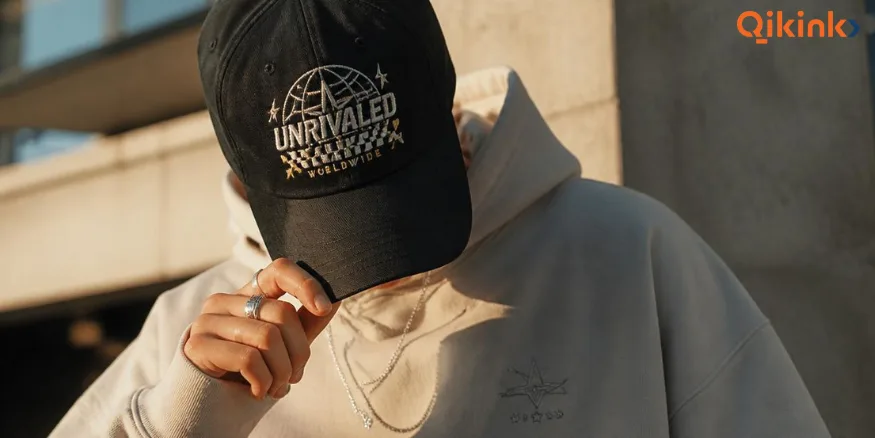
Youth fashion is one of the fastest-changing print on demand niches. Trend relevance drives almost everything in this category. A design that feels current gets worn and shared, but the same design six months later can feel dated, even if nothing about the quality has changed.
Minimalist embroidered designs on products like oversized hoodies and caps, featuring original branding such as “UNRIVALED WORLDWIDE,” appeal to buyers looking for fashion that feels exclusive rather than mass-produced.
Many beginners assume they need to spot the next trend first. Experienced sellers know execution speed usually matters more than originality; a well-made, affordably priced version of a trend that’s already gaining traction outsells a pricier, more original design.
- Why it works: Youth buyers have high trend-awareness and price-sensitivity, so sellers who can execute current trends quickly are rewarded with faster sales.
- In India: College campus and Tier 1 and Tier 2 city youth culture move trends quickly through social media, creating fast-forming, fast-fading pockets of demand that reward sellers who can turn designs around quickly.
- Product ideas: Trendy graphic tees, oversized t-shirts, custom caps and beanies, aesthetic tote bags, minimalist jewelry.
- Design tip: Prioritize fast turnaround on trending styles over original concept work, since being early and affordable consistently outperforms being unique in this niche.
2. Pet Products
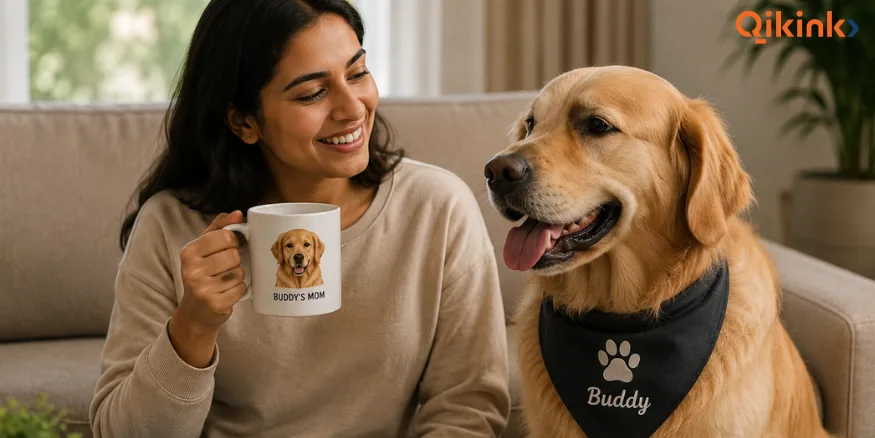
Pet products are one of the fastest-growing print on demand niches in India, driven by rising pet ownership. Owners increasingly want products that celebrate the bond with their pets, such as personalised mugs featuring their pet’s portrait and messages like “Buddy’s Mom,” along with matching pet bandanas printed with the pet’s name.
These products go beyond functional pet accessories and celebrate the relationship between the owner and the pet. They’re buying a feeling, not just an item. This niche also has a low barrier to entry. One design style, such as a pet’s face in simple line art, can be adapted across dozens of products without separate artwork for each.
- Why it works: Pet owners buy repeatedly, both for their own pet and as gifts for other pet-owning friends and family.
- In India: Rising pet adoption in metro and Tier 2 cities is creating steady, year-round demand. This is reflected in India’s pet care e-commerce market, which generated USD 2.21 billion and is projected to reach USD 4.60 billion by 2030, according to Grand View Research.
- Product ideas: Custom pet tees, personalized mugs, pet-face tote bags, name-printed pet bandanas, pet memorial keepsakes.
- Design tip: Personalization (using the actual pet’s name or face) consistently outsells generic pet-themed designs.
Sell Pet Products Online
Pick your favorite pet products and start your own pet brand!
Print on Demand Pet Products →
3. Cricket & Sports
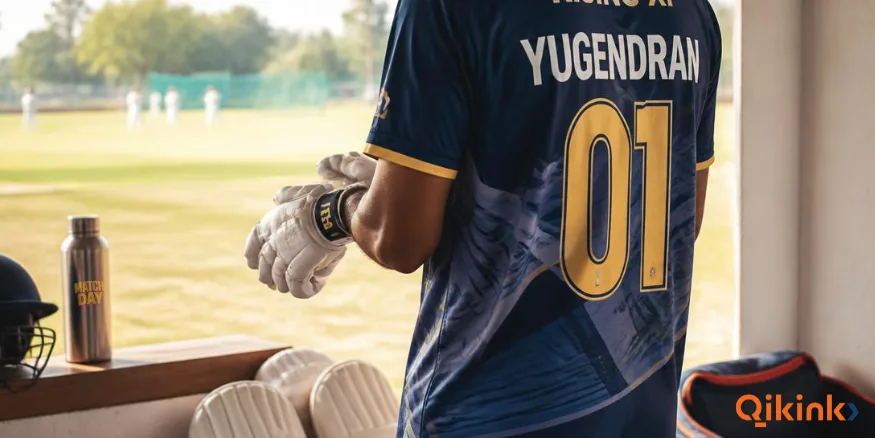
Cricket dominates India’s sports merchandise market, making it one of the strongest print on demand niches. Buyers aren’t a general sports audience so much as fans loyal to specific teams and players, and that loyalty spikes hard around IPL season, World Cup matches, or a player’s milestone innings.
Personalised jerseys with a fan’s name or favourite jersey number, along with original sports-inspired accessories, make the merchandise feel more personal than generic fan apparel. Football and kabaddi also have dedicated fan bases, and the same buying behaviour applies across football, kabaddi and other sports as well.
The biggest sales windows are match-day and tournament-week. Sellers who prepare ahead of the season, then move fast during a big win, tend to capture demand that disappears within days.
- Why it works: Cricket fandom is emotionally intense and team-specific, so buyers pay a premium for merchandise tied to their exact team or player instead of generic sports designs.
- In India: Major cricket tournaments like IPL create predictable, calendar-based demand spikes that are far larger and more concentrated than general sports merchandise demand the rest of the year.
- Product ideas: Team-specific tees, player-number jerseys, match-day mugs, tournament countdown merchandise, fan accessories with team colours and motifs.
- Design tip: Prepare team and player-specific designs before IPL season starts, then move fast to add match or milestone-specific designs during the tournament, since this niche rewards timing as much as design quality. Focus on original, sports-inspired artwork and avoid using official team logos, player images, or licensed branding without permission.
4. Corporate Gifting
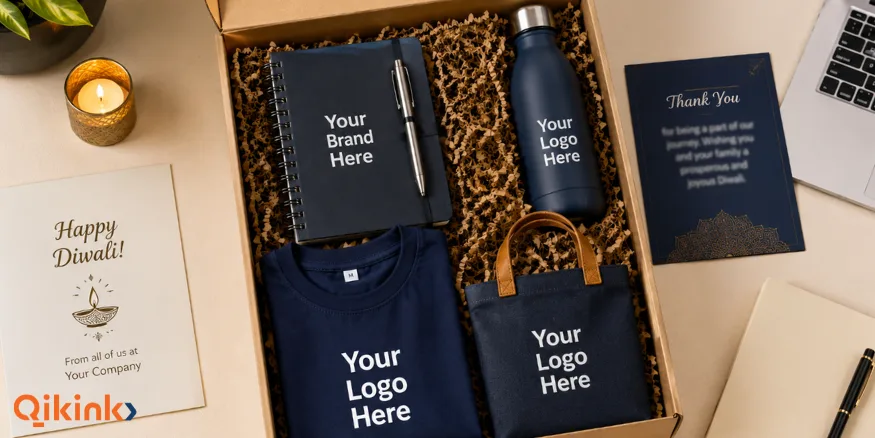
Indian businesses follow a gifting calendar built around occasions such as Diwali, onboarding, Rakhi, and New Year. Many businesses also package branded products such as notebooks, apparel, tote bags, water bottles, and greeting cards into premium gift boxes that create a consistent brand experience.
These orders are usually driven by HR and admin teams working against a fixed date, not individual shoppers browsing casually, so reliability matters more than the most creative design.
A seller who can guarantee bulk delivery before Diwali will win the order over one with better designs but shakier timelines.
- Why it works: Corporate buyers order in bulk and repeat the order every year around the same festivals, making this one of the few niches with predictable, calendar-based demand.
- In India: Diwali is one of the busiest corporate gifting periods for many Indian businesses every year, and most POD platforms built for global markets have no equivalent occasion to design around.
- Product ideas: Diwali gift hampers, branded onboarding kits, custom desk calendars, corporate tote bags, festive mug and coaster sets.
- Design tip: Lead with delivery timelines and bulk order capability in your listing, not just the design itself, since that’s what corporate buyers are actually screening for.
5. Anime
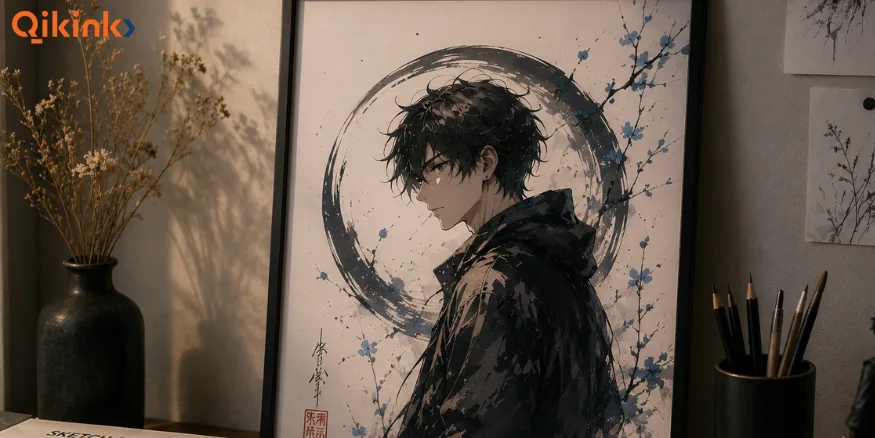
Anime buyers range from casual viewers to deeply invested fans following several ongoing shows, and treating them as one audience is where many sellers go wrong. A design for a mainstream series sells broadly but faces heavy competition.
A design for a niche series sells to fewer people but faces almost none. Original, fan-art style interpretations also tend to do better than direct character reproductions, partly because they sidestep copyright issues, and partly because they signal a seller who actually understands the fandom.
- Why it works: Anime fandoms are highly loyal and vocal online, and a distinctive, original art style can build repeat buyers who follow a seller across multiple releases.
- In India: Anime viewership has surged among younger audiences through streaming platforms, well beyond the small, dedicated fanbases of a decade ago.
- Product ideas: Original fan-art style apparel, genre-themed wall art, character-inspired accessories, anime-style stickers, room decor sets.
- Design tip: Create original, fan-art style designs instead of reproducing official character artwork, since this avoids copyright issues and builds a recognizable style fans associate with the seller.
6. Family & Couples
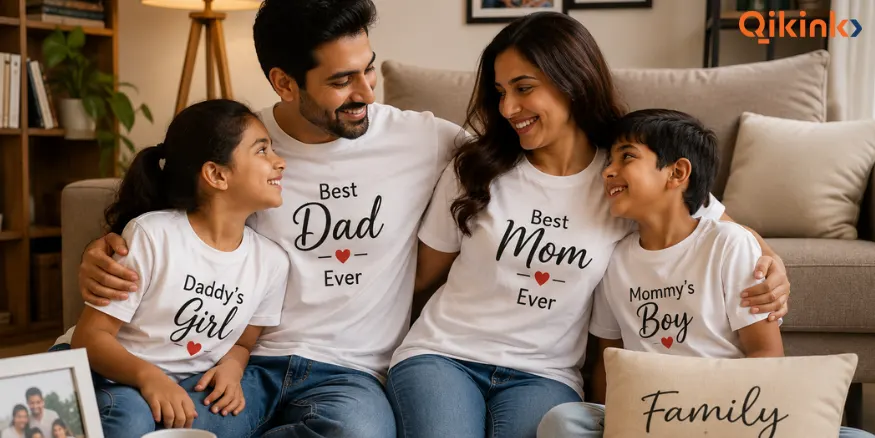
The purchase here is rarely for one person alone; it’s for a shared moment. Matching family t-shirts with personalised messages such as “Best Mom Ever” or “Best Dad Ever” are often worn together, photographed together, or gifted as a complete set, so their value comes from the relationship they represent.
These products also sell better tied to a specific occasion. A plain “His & Hers” set is generic, but framing the same design around an anniversary or a first Diwali as a married couple gives buyers a reason to purchase now.
- Why it works: Buyers in this niche purchase around specific life moments, not everyday need, creating urgency and a higher willingness to pay for personalization.
- In India: Wedding season and family festival gatherings create recurring, date-driven demand spikes that are easy to plan designs and marketing around in advance.
- Product ideas: Matching couple tees, family shirt sets, custom family portrait prints, anniversary mugs, “first festival together” merchandise.
- Design tip: Anchor designs to a specific occasion or milestone rather than a generic “couple” or “family” label, since the occasion is what drives the purchase decision.
7. Gaming
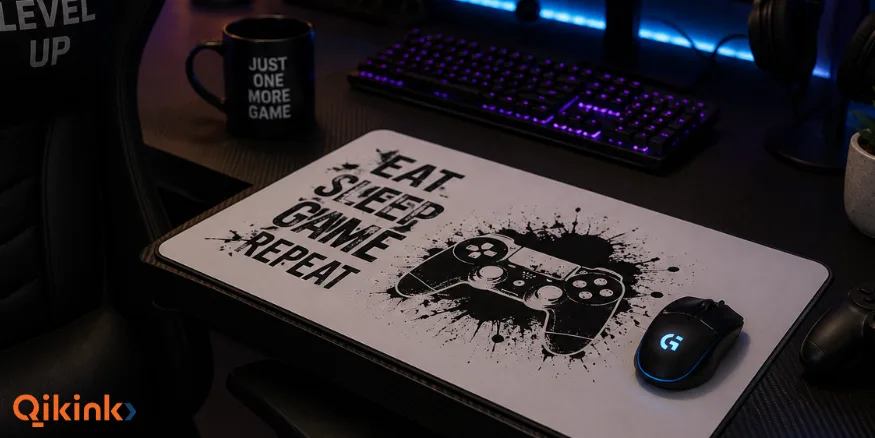
Gaming merchandise lives inside tight, self-referencing communities. A design either signals real familiarity with a game or it doesn’t, and a generic “Gamer” tee usually reads as outsider merchandise. Chasing whatever’s trending right now is a common but costly mistake, since trend-based designs go stale within weeks.
Original gamer phrases such as “Eat Sleep Game Repeat” or “Just One More Game,” along with original gaming-inspired artwork, usually have a longer shelf life because they appeal across gaming communities rather than a single trending title.
Designs built around games with long-running communities also tend to hold up better, because those fanbases stay active for years, not months.
- Why it works: Gaming communities reward insider references, and designs tied to a specific game’s culture build stronger repeat engagement than generic “gamer” merchandise.
- In India: Mobile gaming and esports viewership have expanded fast among younger buyers, creating demand for merchandise tied to specific titles and competitive gaming culture, not just console or PC gaming.
- Product ideas: Game-specific tees, custom mouse pads, rank or achievement-themed mugs, esports team jerseys, controller-themed accessories.
- Design tip: Design around games with sustained, long-term communities rather than short-lived trending titles, since longevity matters more than initial hype for repeat sales.
8. Festive & Religious
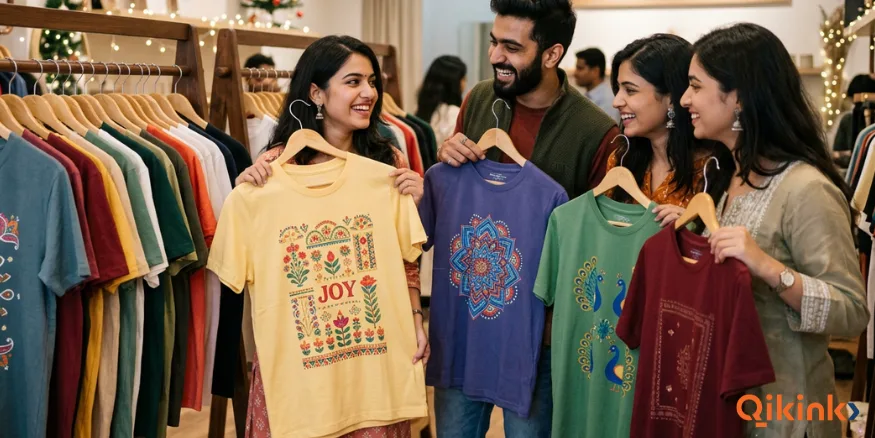
Festival merchandise runs on a compressed sales window. Most of the year’s demand for a specific festival design happens in the two to three weeks beforehand, then drops close to zero, and sellers who treat this as a year-round category tend to under-prepare.
Designing across India’s full festival calendar changes that. Diwali, Holi, Eid, Christmas, and regional harvest festivals turn a spiky, seasonal niche into a rolling series of demand windows, each one its own small product launch.
- Why it works: Festival buyers shop with urgency and a fixed deadline, shortening the sales cycle and making buyers less price-sensitive close to the date.
- In India: The country’s festival calendar spans nearly every month, including Diwali, Holi, Eid, Christmas, Pongal, Durga Puja, and more, giving sellers far more recurring seasonal windows than markets with only one or two major holidays. This seasonal demand is also reflected in ecommerce. Redseer estimates that India’s festive online sales will exceed ₹1.15 lakh crore, highlighting continued consumer demand for festive shopping and customised products.
- Product ideas: Diwali-themed apparel and home decor, Holi colour-splash tees, Eid greeting merchandise, Christmas ornaments and apparel, regional festival-specific designs.
- Design tip: Plan and list festival designs at least three to four weeks before the date, since demand builds and peaks fast, and late listings miss most of the buying window entirely.
9. Regional Pride & Language
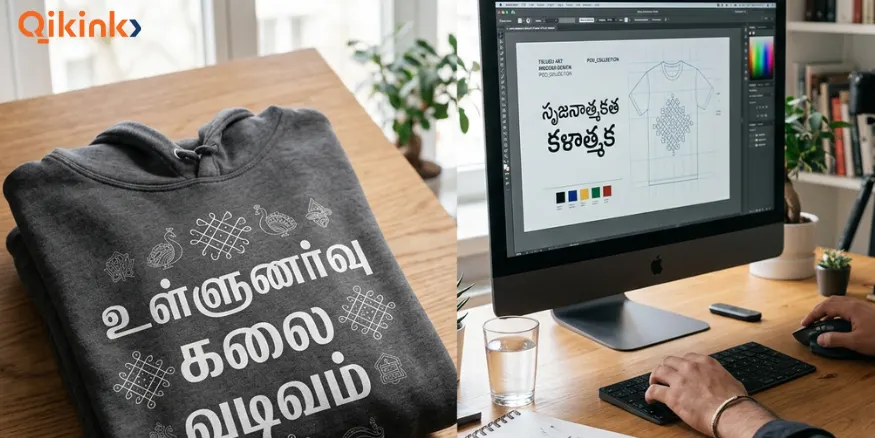
Few niches are as hard for global platforms to compete in as this one. Shopify and other global platforms have little reason to design in Tamil, Telugu, Marathi, or Bengali script, and even less cultural context to do it well. That makes this one of the strongest India-only opportunities on this list.
Authenticity here depends on using the actual script and cultural references of a region. A shirt reading “Proud Tamilian” in English feels generic, but the same sentiment in Tamil script tends to land as more genuine.
- Why it works: Regional identity runs deep and is rarely served well by mainstream merchandise, so authentic, script-accurate designs face very little direct competition despite a large, engaged audience.
- In India: Language and regional identity are a strong source of pride across states, and buyers actively seek out products in their own script and cultural references.
- Product ideas: Regional script tees, state pride hoodies, cultural motif tote bags, festival-specific regional designs, language-based coffee mugs.
- Design tip: Always use accurate regional script and locally relevant references rather than translating an English phrase, since accuracy is what separates authentic merchandise from something that reads as an outsider’s guess.
10. Baby Products
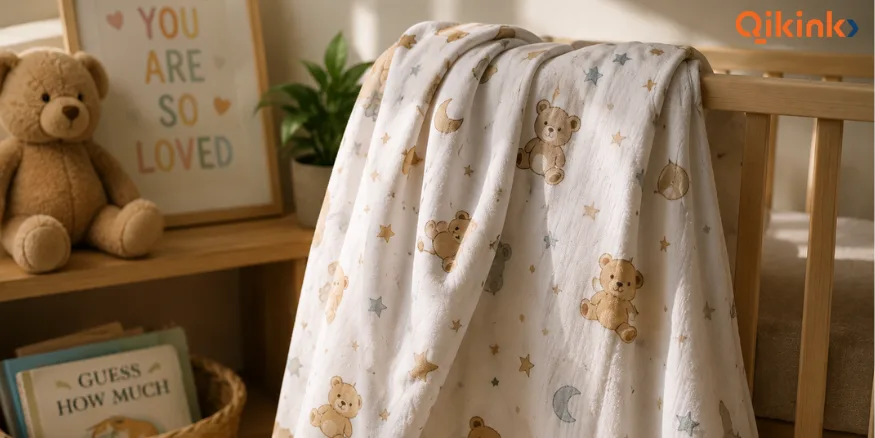
Baby products are bought for someone who has no say in the purchase, so the emotional weight sits entirely with the parent and the moment they want to remember. Price is a tough battle here against mass-market retailers, so generic cute onesies with stock phrases rarely win.
What parents tend to pay more for is personalization tied to a specific detail, such as the baby’s name, exact birth date, or birth weight, whether on nursery blankets, keepsake prints, or clothing; something no mass retailer can offer at scale.
- Why it works: Parents buy these products as keepsakes as much as clothing, so personalization matters more than price in this niche.
- In India: Naming ceremonies, first birthdays, and baby showers are major family occasions with their own gifting traditions, creating specific, date-driven demand beyond everyday baby clothing.
- Product ideas: Personalized onesies, milestone blankets, nursery name wall art, birth-detail keepsake prints, matching parent-baby outfits.
- Design tip: Build the design around one exact, personal detail (name, birth date, weight) rather than a generic “cute baby” theme, since that specificity is what makes it feel like a keepsake instead of a regular product.
11. Fitness
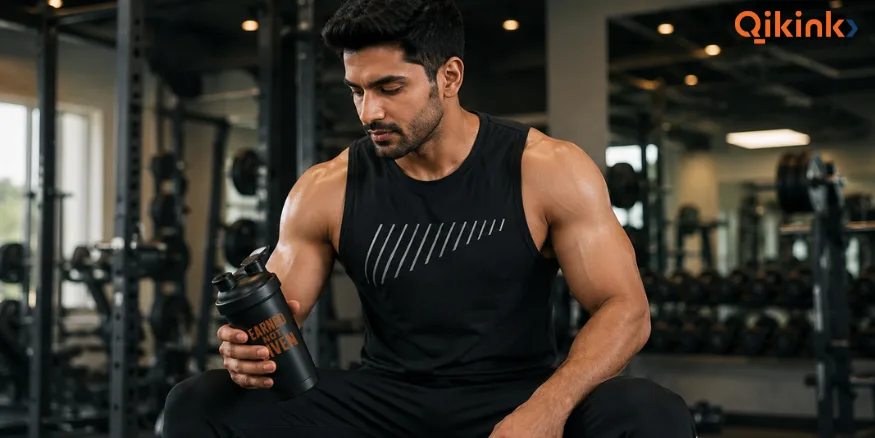
Many gym-goers, yoga practitioners, and runners treat fitness as part of who they are, not just something they do. That’s why gear reflecting discipline or belonging to a training community tends to outsell plain workout clothes.
Fitness routines also shift with the seasons and with milestones, a new personal best record or a New Year’s resolution. Each milestone creates a fresh reason to buy.
- Why it works: Buyers see fitness gear as a form of motivation, not just function, which supports premium and personalized designs.
- In India: Home workouts, yoga studios, and college gym culture are now well established across Tier 1 and Tier 2 cities, not limited to traditional gym-goers.
- Product ideas: Motivational gym tanks, custom workout journals, personalized shaker bottles, gym duffel bags, yoga mats with printed mantras.
- Design tip: Short, punchy phrases (like “Earned, Not Given”) consistently outsell long paragraphs of motivational text on apparel.
12. Humour & Sarcasm
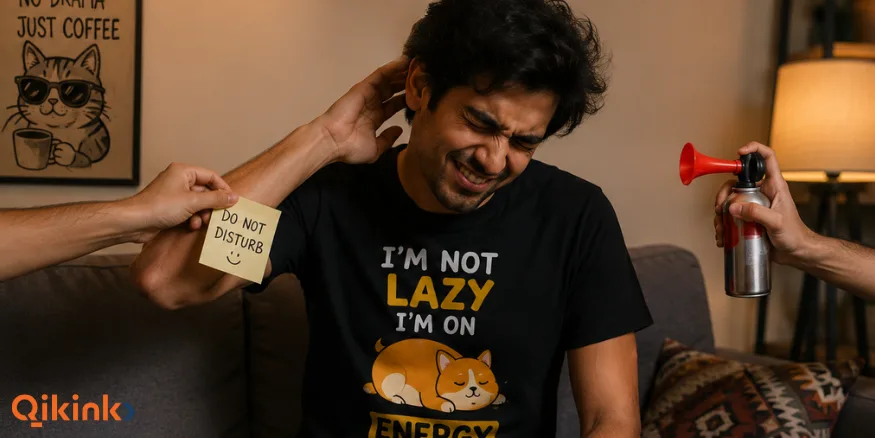
Most humour merchandise is bought as a gift for someone else, not for the buyer’s own identity. Whether it’s a sarcastic mug or a t-shirt with a playful line like “I’m Not Lazy,” the design works best when the buyer can picture a specific person’s reaction to it: a coworker, a sibling, or a friend with a great sense of humour.
Longevity is the real risk in this niche. Broad, meme-template jokes age fast and get copied everywhere, while humour rooted in everyday frustration; traffic, chai breaks, a nagging relative tends to stay fresh longer and travel further by word of mouth.
- Why it works: Humour products are bought as gifts more often than for personal use, so designs that trigger “this is so [person’s name]” outperform generic jokes.
- In India: Everyday, culturally specific humour (traffic, chai, family dynamics, work-from-home jokes) resonates more consistently than imported meme formats, since it reflects situations buyers immediately recognize.
- Product ideas: Sarcastic mugs, gag-gift tees, desk plaques with one-line jokes, sassy tote bags, farewell or birthday joke merchandise.
- Design tip: Write jokes around a specific, local situation rather than a generic punchline, since specificity is what makes a buyer picture exactly who to gift it to.
13. Entertainment Fandom
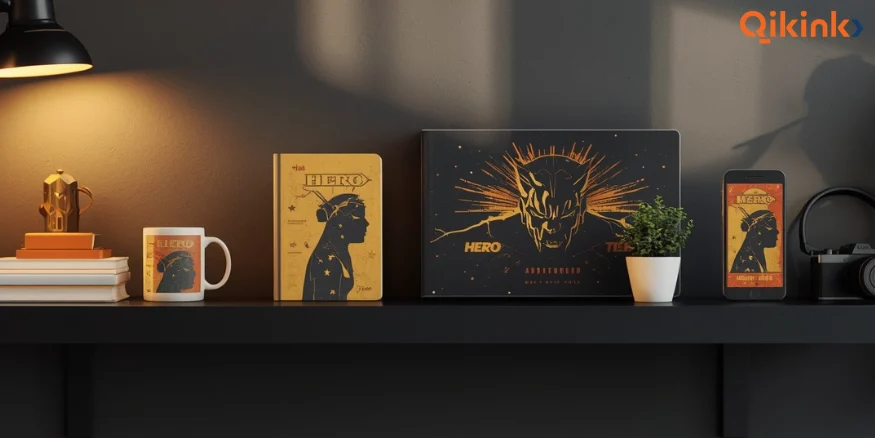
This niche reacts to whatever just happened, a viral dialogue, a big reveal, a trending scene, so it has a much shorter shelf life per design than most others on this list. The biggest opportunity is usually the specific dialogue or moment that goes viral.
A design built on one viral line, released within days of it trending, usually catches buyers while the reference still feels fresh.
- Why it works: People shop to participate in a current cultural moment, so speed from trend to product matters more than production complexity.
- In India: Regional cinema and Indian web series generate frequent viral dialogue moments, and there is still room for fast-turnaround merchandise that captures these moments while they’re trending.
- Product ideas: Dialogue and quote tees, fan-themed custom home decor, character-inspired accessories, custom laptop skins, trending-moment mugs.
- Design tip: Move quickly when a show, movie, or dialogue starts trending, but create original, fan-inspired designs instead of reproducing copyrighted logos, artwork, official promotional material, or using protected dialogue verbatim. Speed matters, but staying on the right side of copyright matters too.
Start your 3D POD Business
This guide helps entrepreneurs looking to sell 3D printed products online
3D Print on Demand →
14. Hobbies
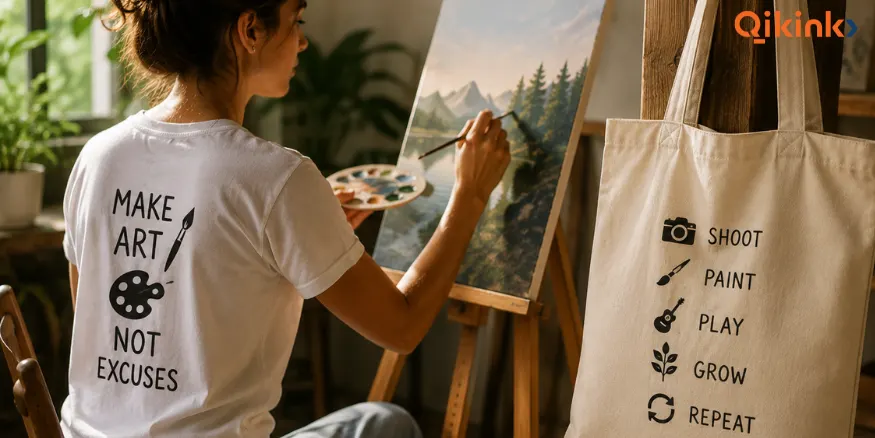
Hobby-based buyers shop out of genuine enthusiasm, not for specific occasions, so merchandise doesn’t need to be loud; it just needs to feel authentic to the hobby itself.
Simple, hobby-specific designs such as “Make Art, Not Excuses” or activity-based graphics often resonate more than generic motivational prints because they reflect what people genuinely enjoy doing. Staying too broad is the common mistake here.
But a tee that says ‘Weekend Watercolour Painter’ speaks to a more engaged group than a generic art lover, and that kind of specificity is usually what drives the sale.
- Why it works: Hobbyists actively search for merchandise tied to very specific interests, and niche specificity reduces competition far more than niche size reduces demand.
- In India: Home baking, gardening, gaming, and music production have become common pastimes among urban buyers with more disposable income and time, opening fresh sub-niches with little existing competition.
- Product ideas: Hobby-themed tees, custom aprons for cooking and baking, instrument-themed mugs, gardening tote bags, hobby-specific stickers.
- Design tip: Use hobby-specific slang or in-jokes (a baker’s term, a gamer’s phrase) rather than generic hobby references, since insider language signals authenticity to that audience.
15. Travel

Travel is one of the few niches where the memory matters more than the product itself. Products featuring travel-inspired designs or phrases such as “Places I’ve Been” and “Explore the World” become keepsakes that remind buyers of their journeys.
A tee that simply says “Travel” competes with thousands of near-identical designs in airport gift shops, while a design tied to a specific destination or travel style speaks to a far more engaged buyer instead.
The strongest buyers here aren’t occasional travellers but frequent travellers such as backpackers, solo travellers, and road-trippers who see travel as part of their identity.
- Why it works: Frequent travellers treat travel as part of their identity rather than an occasional activity, and they buy repeatedly for each new trip or milestone.
- In India: Domestic road trips, backpacking, and solo travel are increasingly common among younger Indian travellers, creating demand for merchandise tied to Indian destinations and travel styles specifically.
- Product ideas: Destination-specific tees, custom travel journals, personalized luggage tags, road-trip playlists printed on posters, “places I’ve been” tracking maps.
- Design tip: Tie designs to a specific destination, route, or travel style rather than generic wanderlust phrases, since specificity is what makes frequent travellers feel the product was made for them.
16. Career Pride
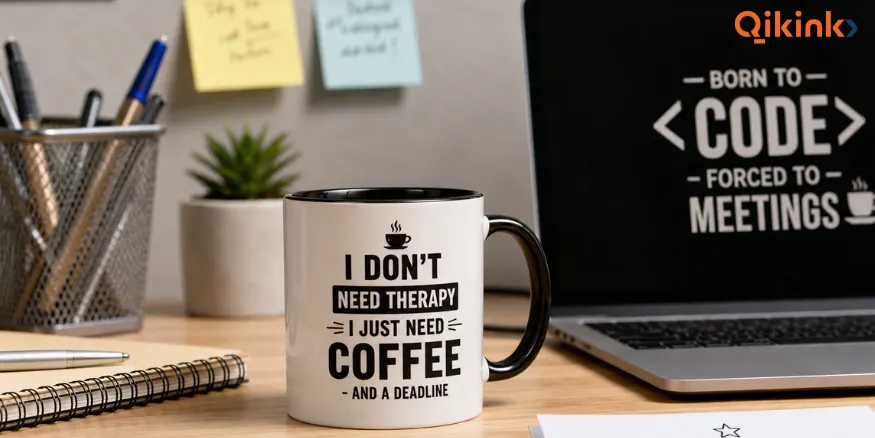
Every profession has its own inside language and running jokes that outsiders don’t fully get. Designs with profession-specific humour, such as “I Don’t Need Therapy, I Just Need Coffee and a Deadline,” create instant recognition, where a generic “World’s Best Employee” mug falls flat.
These products also tend to sell as gifts between colleagues rather than as something people buy for themselves. An IT worker is more likely to receive an office-themed mug from a coworker during a farewell than to buy one on their own.
- Why it works: Profession-based designs work because they reflect insider knowledge; buyers feel seen by a joke or phrase only their peers would understand.
- In India: IT, healthcare, and teaching are three of the largest urban white-collar workforces, and each has its own strong culture of coworker gifting around promotions, retirements, and shift milestones.
- Product ideas: Profession-themed tees, custom desk organizers, laptop sleeves, “office humour” mugs, retirement or promotion gift sets.
- Design tip: Design for gifting occasions (retirement, first day, promotion) over generic profession pride, since that’s when purchase intent is highest.
17. Weddings
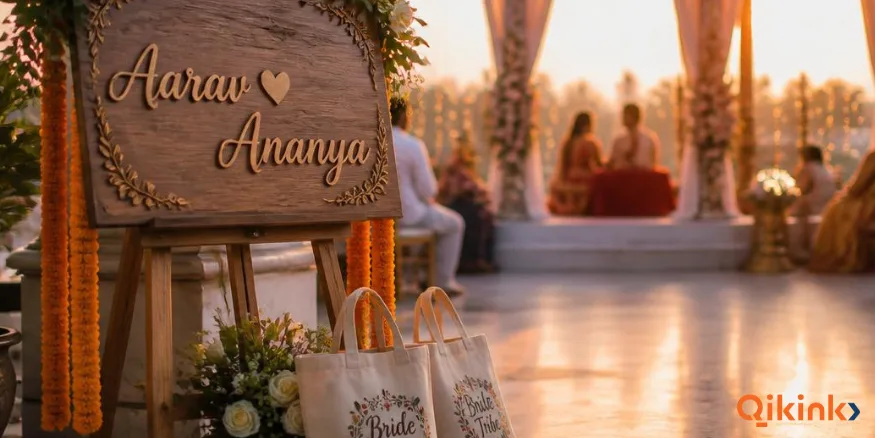
Indian weddings involve far more buyers than just the couple. From personalised wedding welcome signs displaying the couple’s names to coordinated “Bride Tribe” tote bags, wedding merchandise has expanded well beyond traditional gifts.
Bridesmaids, groomsmen, extended family, and guests all end up purchasing wedding-related products, so a single wedding can generate dozens of separate purchases.
The products that convert fastest usually aren’t for the bride and groom at all. “Bride Tribe” tees and bridesmaid tote bags get bought in bulk, by someone other than the couple, mostly on a tighter budget and a firm deadline.
- Why it works: Weddings generate bulk, multi-person purchases from bridal parties and guests, not just single orders from the couple, multiplying the total order value per wedding.
- In India: Indian wedding season is long and involves multiple events, mehendi, sangeet, the wedding itself, each with its own merchandise opportunity beyond a single ceremony.
- Product ideas: “Bride Tribe” and groomsmen tees, custom name plaques, personalized mugs and key chains for guests, bridesmaid tote bags, event-specific merchandise (mehendi, sangeet).
- Design tip: Design for the bridal party and guest gifting first, not just the couple, since bulk, multi-person orders convert faster and more reliably than single custom pieces.
18. Food & Cooking
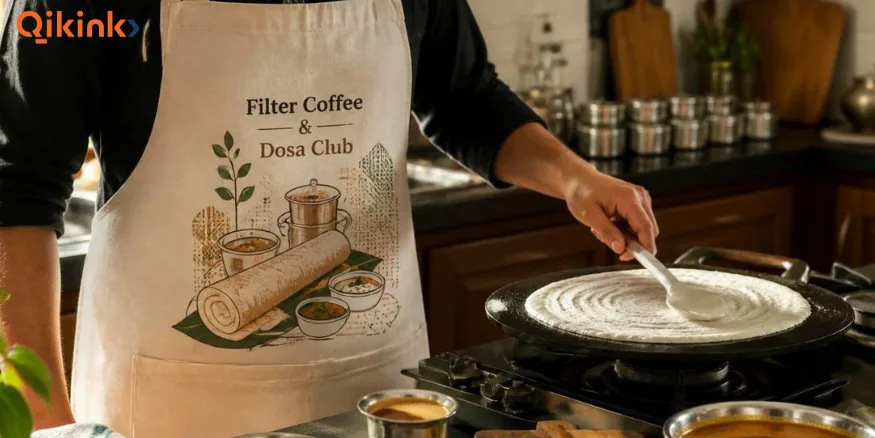
Home cooks and bakers often buy kitchen merchandise for themselves, as a mark of pride in a skill they’ve built. An apron printed with a phrase such as “Filter Coffee & Dosa Club” becomes a small expression of identity, celebrating favourite local dishes and food traditions rather than serving as just a functional item.
Generic “I Love Cooking” designs tend to undersell because they blur together sub-communities that see themselves quite differently: bakers, home chefs, air-fryer enthusiasts, regional cuisine specialists.
- Why it works: People usually purchase for themselves as a mark of pride in a skill, not just as a gift, which supports repeat purchases as their kitchen identity grows.
- In India: Home baking and regional cooking communities have expanded rapidly through social media, creating specific food-culture sub-niches: South Indian filter coffee culture, home baking, tiffin culture, with far less competition than generic ‘foodie’ merchandise.
- Product ideas: Custom aprons, personalized cutting boards, recipe journals, kitchen towels with cooking-specific puns, regional cuisine-themed mugs.
- Design tip: Design for a specific regional food culture rather than a broad “foodie” label, since specificity is what makes a buyer feel the product understands their exact kitchen habits.
19. Music
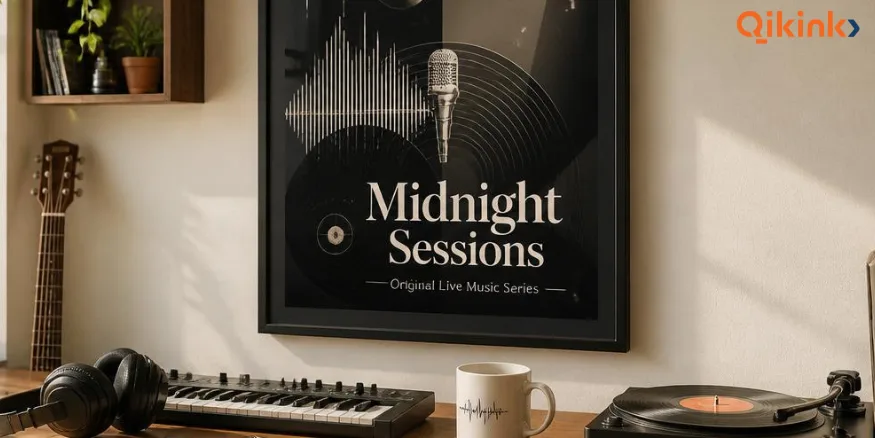
Music fans buy merchandise to show which scene or style of music they connect with, not just an appreciation for music in general. Original music-inspired designs, such as a “Midnight Sessions” poster or genre-themed artwork, express that identity without relying on official artist branding.
A tee referencing a broad genre says little about the buyer, while a design tied to a specific music culture or subculture says a lot more.
Casual listeners rarely drive this niche. Instead, it’s the fans who attend live shows and follow an artist’s evolution closely who tend to buy, which is why designs inspired by a particular music genre, concert experience, or listening culture usually outperform generic “music lover” merchandise.
- Why it works: Music fans buy to signal belonging to a specific scene or artist’s fanbase, and designs proving that specific knowledge convert far better than generic music-themed products.
- In India: Independent music scenes, regional language music, and college fest culture have all gained ground steadily, creating specific fan communities that are largely unserved by mainstream, generic music merchandise.
- Product ideas: Original music-inspired apparel, concert-inspired posters, genre-themed mugs, music producer accessories, band-inspired merchandise.
- Design tip: Focus on original, music-inspired designs instead of reproducing official album artwork, artist logos, or copyrighted lyrics.
20. Sustainability
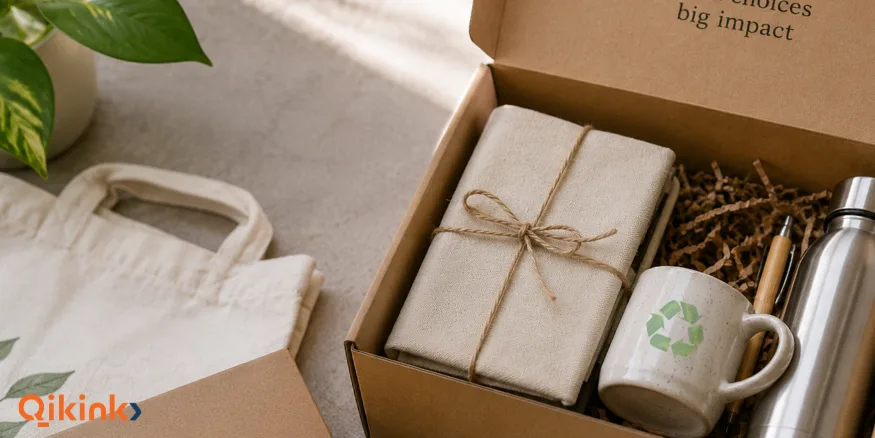
This is one of the few niches where the business model itself becomes part of the pitch. Because products are printed only after a customer places an order, print on demand helps reduce overproduction compared with traditional mass manufacturing, so sellers have a real story to tell rather than a marketing angle bolted on afterwards.
Buyers here also tend to be sceptical of vague eco-claims. “Eco-friendly” alone doesn’t carry much weight anymore; what tends to convert is naming the specific practice behind it: organic cotton, recycled packaging, or made-to-order production.
- Why it works: Customers are actively looking to align purchases with their values, and print on demand’s made-to-order model gives sellers a real, specific claim to make instead of a vague one.
- In India: Urban buyers under 35 are the fastest-growing segment, questioning vague eco-labels; a product listing that names the actual practice tends to earn more trust than one that just says ‘eco-friendly.’
- Product ideas: Organic cotton tees, recycled tote bags, reusable water bottles, plantable seed-paper cards, minimal-packaging gift sets.
- Design tip: State the specific sustainable practice behind the product (organic fabric, made-to-order, recycled materials) directly in the product listing or description.
21. Mental Health & Self-Care
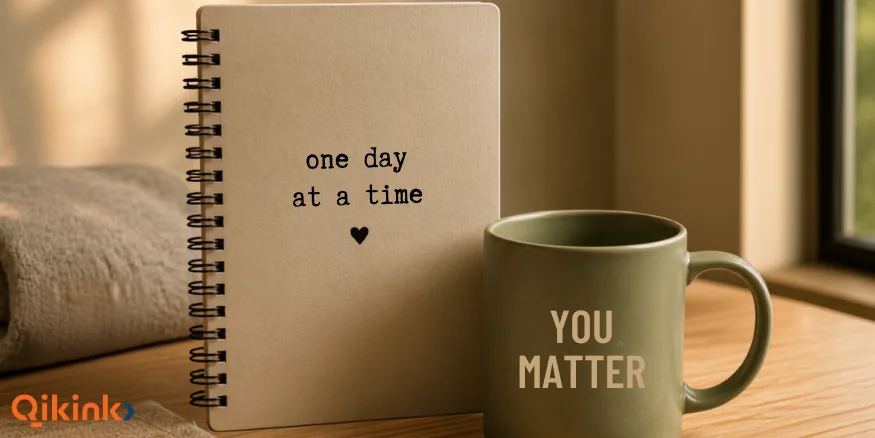
Journaling, affirmations, and mindful routines have moved from a niche wellness interest into an everyday habit for many buyers. Products featuring gentle affirmations such as “One Day at a Time” reflect that shift, creating demand for designs with a calming, personal tone rather than loud or attention-grabbing graphics.
Sellers who do well here usually focus on tone and typography over complex illustration. A single well-chosen phrase in a soft, minimal font often works better than an elaborate design.
- Why it works: Customers often make repeat purchases across a small collection (a journal, a mug, a tee) as part of a self-care routine, not a one-time buy.
- In India: Awareness around mental health is far more visible among younger, urban buyers than it was a few years ago, when this product category barely existed.
- Product ideas: Affirmation tees, guided journals, mindfulness stickers, soft-toned wall art, “reminder” desk cards.
- Design tip: Muted colour palettes and minimal typography perform better in this niche than bright colours or bold graphics.
22. Social Causes
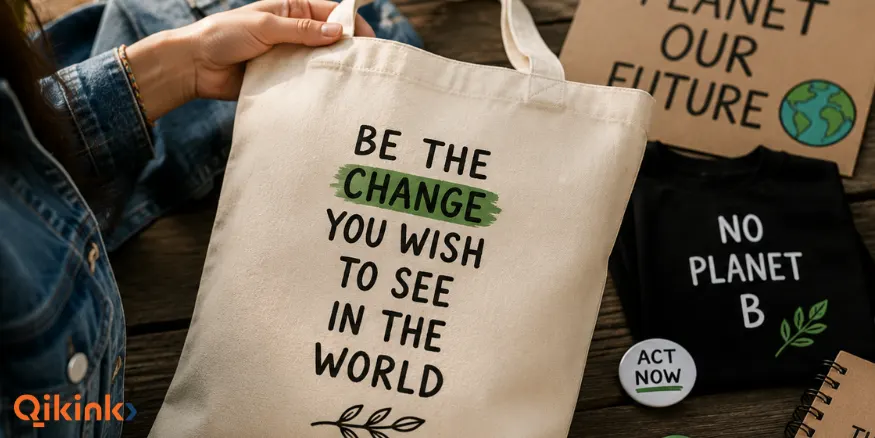
Buyers often choose these products as a public expression of what they believe in. A statement tote bag or t-shirt becomes part of their identity, so the message needs to be clear enough to understand at a glance.
A crowded, paragraph-length slogan looks more like a protest sign than merchandise, and buyers tend to scroll past it. A short, sharp phrase with clean typography reads instantly, even in a two-second glance at a social feed.
- Why it works: Customers often purchase specifically to be seen wearing or carrying it in public, which is why the design’s visibility matters as much as its message.
- In India: Younger, urban buyers are increasingly vocal about causes like sustainability, mental health awareness, and gender equality, and are actively looking for products that reflect those views.
- Product ideas: Statement tees, cause-themed tote bags, awareness pins, minimalist protest-style posters, sticker packs.
- Design tip: Keep the message to one short phrase or symbol; readability at a glance matters more than the message’s completeness.
23. Books & Literature
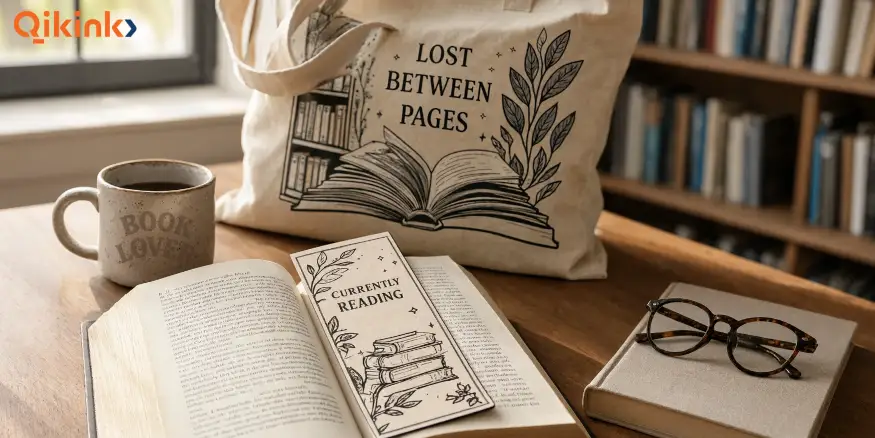
Book lovers buy merchandise to express a relationship with reading itself, not to promote one favourite title, which makes this niche broader and steadier than fandom-specific niches tied to a single book.
Quoting directly from a copyrighted book carries legal risk, and it’s not necessary either. Original reading-themed phrases such as “Currently Reading” or “Lost Between Pages” capture the experience of reading without borrowing an author’s exact words, making them both memorable and copyright-safe.
- Why it works: Reading is a year-round interest rather than a seasonal or trend-driven interest, which gives this niche steadier, less spiky demand than most others on this list.
- In India: Book clubs, reading challenges, and online book-reading communities are increasingly active on social media platforms, creating an engaged, vocal buyer base actively looking for reader-identity merchandise.
- Product ideas: Original reading-themed apparel, custom bookmarks, literary-style tote bags, reading-themed mugs, book club merchandise.
- Design tip: Write original phrases about the reading experience rather than quoting specific books directly, since this avoids copyright issues while still resonating strongly with book readers’ interests.
What Makes a Print on Demand Niche Worth Choosing?
Now that you’ve explored the top print on demand niches, let’s look at what makes one niche more profitable than another. Choosing the right niche often has a bigger impact on long-term success than choosing the product itself.
A generic hoodie competes with thousands of other generic hoodies. But a hoodie designed specifically for new dog owners, cricket fans, or wedding guests faces far less direct competition because it targets a clearly defined audience.
A strong niche usually combines genuine interest with buyers willing to spend on it. Buyers need to feel proud enough of the identity to wear it, and they often buy it again as gifts for others who share the same interest. The more specific your audience, the easier it becomes to create products that stand out and attract repeat buyers.
How to Choose a Profitable Print on Demand Niche?
A profitable niche has consistent demand, enough buyers willing to pay premium prices, and enough design opportunities to create multiple products without constantly chasing trends. Below are the steps that will help you pick your niche:
- Start with what you already know: Hobbies, your profession, or life moments you care about are easier to design and sell.
- Check real demand before committing: Browse marketplaces like Etsy and Amazon Handmade, as well as platforms like Pinterest, to explore popular design trends and buyer interests.
- Find an angle competitors haven’t used: Add humour, target a narrower audience (“golden retriever moms” instead of “dog lovers”), or combine two interests, like yoga and music, into one design theme.
- List at least 10 product ideas: If you can’t come up with 10 distinct designs for a niche, that’s usually a sign it’s too narrow or already crowded.
Heavy Competition in Your POD Business?
This article covers the common challenges in niche POD businesses
Print on Demand Business Tips →
Frequently Asked Questions
1. Is Print on Demand Still Profitable in 2026?
2. Which Print on Demand Niches Have the Highest Demand in India?
3. How Do I Choose a Print on Demand Niche as a Beginner?
4. How Many Print on Demand Niches Should I Focus on at Once?
5. Do I Need to Register a Business to Sell Print on Demand in India?
6. Which Print on Demand Niche Has the Least Competition?
Conclusion
The print-on-demand industry will offer exciting opportunities for entrepreneurs who are willing to start an eCommerce business. The key to success is finding the right niche, from eco-friendly products and home goods to gaming, food, and music. By staying on top of trends and understanding your audience’s needs, you can build a profitable POD business.
Print on demand India platforms like Qikink make the journey even smoother by offering a wide range of high-quality products across almost all these niches. From personalized pet accessories and apparel to custom mugs, tote bags, jewelry, and home decor, Qikink provides reliable fulfillment, fast shipping, and easy integration, making it one of the best platforms for launching and scaling your POD store in India and beyond.
Read More
- How to Make Money with Print on Demand: A Step-by-Step Guide
- Top Print on Demand Books Self Publishing Services in India
- How To Sell Print On Demand Shoes Online in India: Complete Guide
- Amazon Print on Demand | Start & Sell Products on Amazon
- Step-by-Step Plan to Launch Your Custom T-Shirt Printing Business
Share the Article


