

Types of jerseys are usually grouped by the sport they belong to, such as cricket, football, basketball, volleyball, kabaddi, hockey, rugby, cycling, baseball, and esports. Each sport has different requirements for movement, coverage, player identification, and team representation, which influence a jersey’s design and construction.
Jerseys can also be classified by purpose, fabric, style, and construction. A basketball jersey, for example, can simultaneously be a game jersey, a reversible design, and a sleeveless style. These classifications describe different aspects of the same garment rather than separate products.
India also has an established sports-goods manufacturing ecosystem. A recent NITI Aayog report identifies Jalandhar and Meerut as the backbone of the country’s sports-goods manufacturing clusters and reports that nearly 90% of production is driven by small and micro enterprises.
This article covers jersey types by sport, followed by differences based on purpose, style and construction, and fabric. Fabric is treated separately because materials such as polyester, mesh, and cotton blends describe what a jersey is made from rather than the exact type or purpose it serves.
Key Takeaways
- Sports jerseys are primarily classified by sport, including cricket, football, basketball, volleyball, kabaddi, hockey, rugby, cycling, baseball, and esports.
- Football jerseys have several common variations, including home, away, third/alternate, goalkeeper, match, training, and replica versions.
- Basketball jerseys can differ by use and design, with game, practice, reversible, and fan gear among the common categories.
- Jersey classifications can overlap, and they can be differentiated by their usage or design pattern.
- Fabric is a separate consideration because materials describe the jersey’s construction and properties rather than its sports category.
What Are the Different Types of Jerseys?
Jerseys can be classified in several ways, with sport being the broadest classification. They can then be described by purpose, such as match or training use, and by style or construction, such as sleeveless, short-sleeve, or reversible designs. The primary classifications are:
These classifications are not mutually exclusive. For example, a cricket jersey can be an ODI jersey by format, a match jersey by purpose, and a short-sleeve jersey by design. A volleyball jersey can be a training jersey by purpose and a sleeveless style by construction.
Fabric is best treated separately from the main jersey types, since it is a broader part of custom printing rather than a jersey-specific classification. Materials can influence characteristics such as comfort, stretch, breathability, and durability, but they do not determine whether a garment is a football, cricket, or basketball jersey.
Types of Jerseys by Sport
Sport is the most straightforward way to distinguish jersey types because each sport has different requirements for movement, coverage, player identification, and team representation. The design and terminology therefore vary by sport.
1. Cricket Jerseys
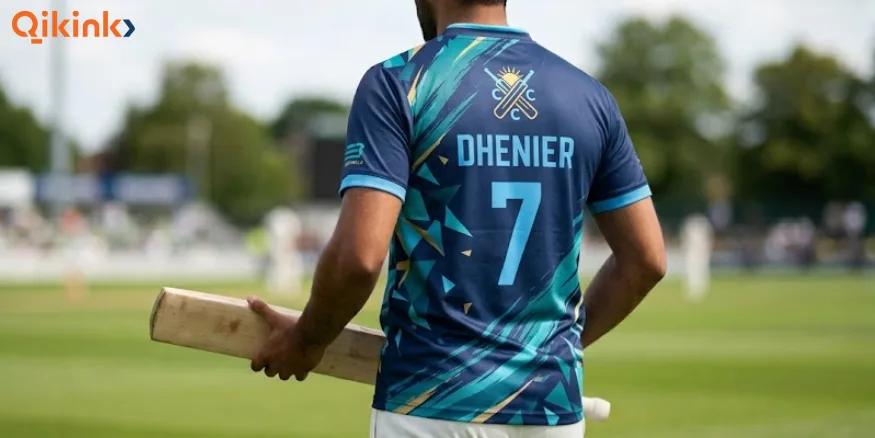
Cricket jerseys vary mainly according to the format and how the team uses them. Test cricket uses white clothing, while limited-overs formats such as ODIs and T20s in international and domestic leagues use coloured team jerseys.
Limited-overs playing shirts also follow competition rules and team requirements for colours, player identification, and other design details.
- T20 jerseys: Different coloured jerseys used in the Twenty20 format of cricket, often featuring distinctive team colours and branding.
- ODI jerseys: Coloured team shirts used in One Day International cricket, with team and player identification incorporated into the design.
- Test cricket shirts: White shirts are traditionally worn in Test matches, usually as part of a predominantly white playing uniform.
- Training jerseys: Team shirts used during practice and preparation rather than official matches.
Cricket jerseys can also differ in sleeve length, collar design, and fit, but these are style and construction differences rather than separate cricket categories.
Create Your Perfect Cricket Jersey
Design your team jersey online today with endless customisation options
Custom Cricket T-Shirt Printing
2. Football Jerseys
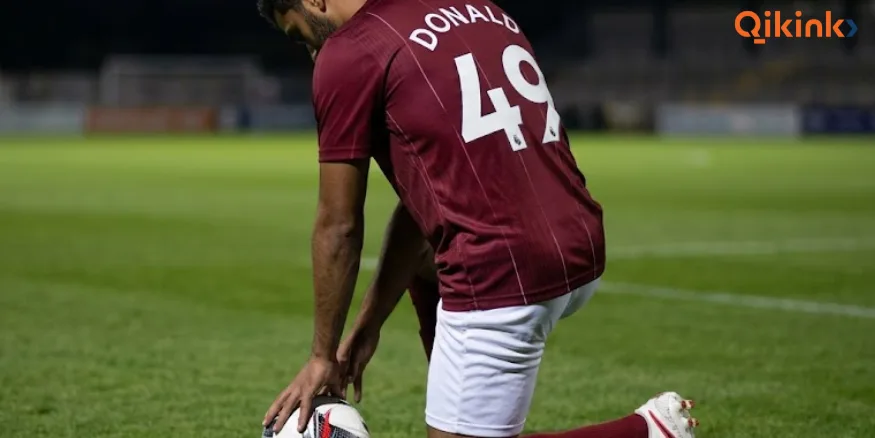
Football jerseys, also called soccer jerseys in some markets, are commonly classified by the team’s kit, the player’s role, and the intended use of the shirt. The different types of football jerseys commonly include home, away, third or alternate, goalkeeper, match, training, and replica or fan jerseys.
- Home jerseys: The primary shirt associated with a team’s home kit and usually its main colours.
- Away jerseys: An alternative kit used when the home colours need to be distinguished from the opponent’s.
- Third or alternate jerseys: An additional official kit option used when required or appropriate.
- Goalkeeper jerseys: Designed to distinguish the goalkeeper from the other players and officials.
- Match jerseys: Player-oriented shirts used for competitive matches.
- Training jerseys: Training shirts used during practice or preparation.
- Replica or fan jerseys: Supporter versions based on a team’s playing design.
These different types of football jersey designs often overlap. For example, a football jersey can be a home jersey, a replica version, and a short-sleeve design at the same time.
3. Basketball Jerseys

Basketball jerseys are designed for unrestricted upper-body movement and are typically worn with matching team shorts. Common types include:
- Game jerseys: Team jerseys worn during competitive matches, with player numbers and team identification.
- Practice jerseys: Shirts used for training and practice rather than official games.
- Reversible jerseys: Two-sided jerseys with a different colour or design on each side, useful when teams need to switch between two colour options.
- Fan or replica jerseys: Supporter versions based on a team’s playing design.
Basketball jerseys are often sleeveless, which allows greater freedom of movement around the shoulders and arms during play. These types of basketball jerseys can also be reversible or fan versions, so a single jersey may fit more than one category at once.
4. Volleyball Jerseys
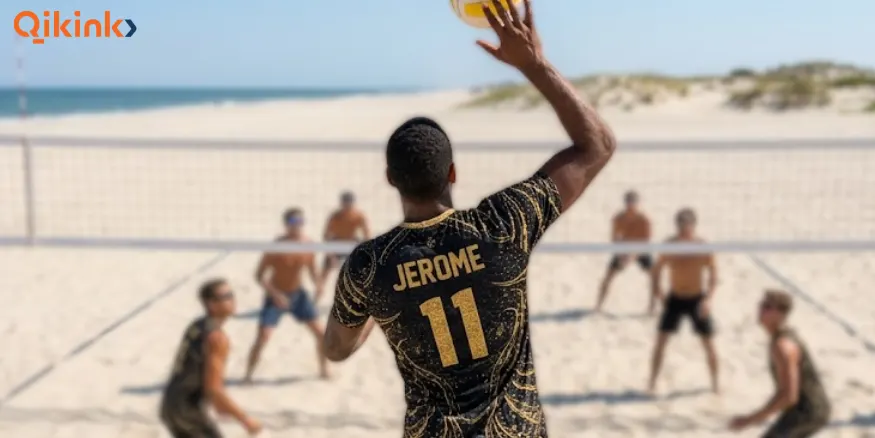
Volleyball jerseys are part of a coordinated team uniform and are designed for movement around the court. They may be sleeveless, short-sleeved, or use other cuts depending on the team and competition.
In indoor volleyball, players generally wear matching team uniforms, with an important exception for the libero, whose uniform must be distinguishable from those of the other players under the applicable rules. Player numbers are also part of the official jersey design.
Common volleyball jersey types include:
- Team match jerseys: Worn during competitive indoor volleyball matches and typically designed with the team’s colours and player number.
- Libero jerseys: A visually distinct team jersey worn by the libero to identify the specialist defensive player.
- Training jerseys: Used for practice sessions and team preparation.
These categories relate to the jersey’s purpose or player role, while features such as sleeve length and cut are better treated as style and construction differences.
5. Kabaddi Jerseys
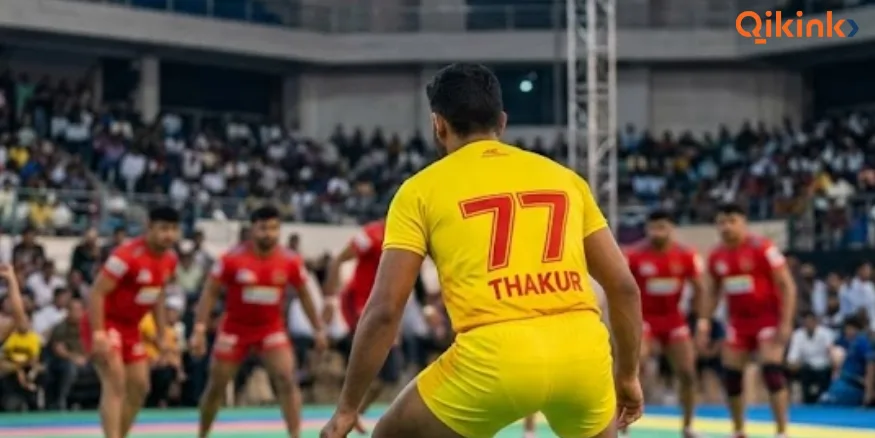
Kabaddi jerseys are team shirts designed for movement and player identification during competition and training. They commonly feature team colours, player names or numbers, and sponsor or team branding.
Common kabaddi teamwear includes:
- Match jerseys: Worn during competitive kabaddi matches and designed to identify the team and individual players.
- Training jerseys: Used during practice and conditioning sessions.
- Team or fan jerseys: Supporter-oriented versions that use the team’s colours, logos, and other identifying elements.
Kabaddi jerseys are often designed with sleeveless or short-sleeve constructions, depending on the team and competition. The exact cut is a design choice rather than a separate type of kabaddi jersey.
6. Hockey Jerseys
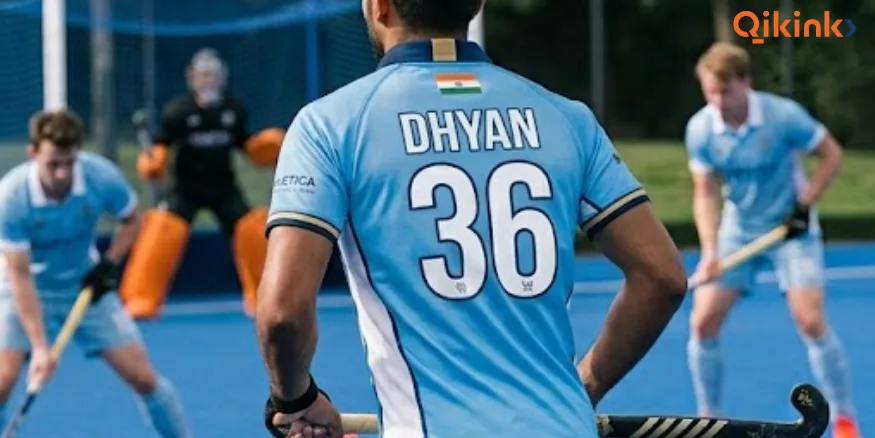
A hockey jersey can refer to different garments depending on the sport. Field hockey and ice hockey have different playing environments, equipment, and uniform requirements, so their jerseys should not be treated as interchangeable.
- Field hockey jerseys: Team shirts designed for running and movement on the pitch, typically worn with matching shorts or skirts and socks. Goalkeepers have distinct shirts as part of their specialised equipment.
- Ice hockey jerseys: Roomier team shirts designed to be worn as part of an ice hockey uniform and over protective equipment. They prominently display team colours, player numbers, and other identification.
There are match and training jerseys that fall under these two types of the game. A field hockey jersey and an ice hockey jersey serve different purposes and have varied constructions.
7. Rugby Jerseys
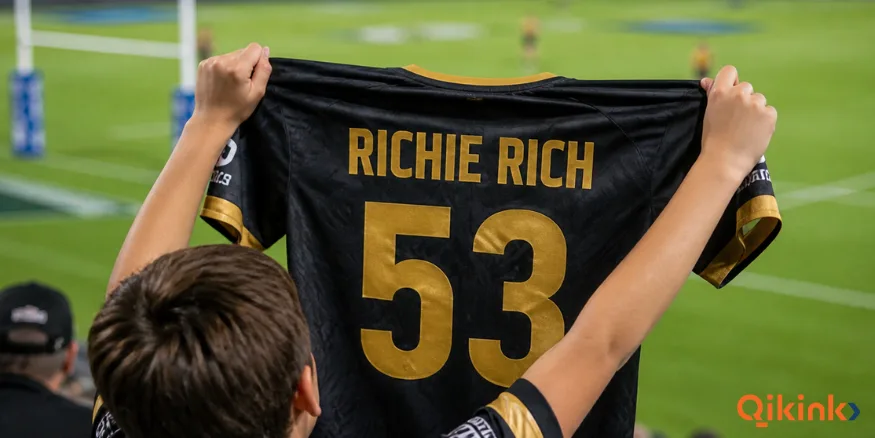
Rugby jerseys are designed for a sport involving frequent physical contact, so their construction needs to accommodate movement while remaining suitable for the demands of the game. In rugby union, the playing uniform includes a jersey, shorts, socks, and boots, with regulations governing the jersey and other player clothing.
Common rugby jersey categories include:
- Match jerseys: Designed for competitive rugby and team identification.
- Training jerseys: Used during practice, conditioning, and preparation.
- Replica or supporter jerseys: Fan versions based on a team’s playing design.
Rugby jerseys are commonly short-sleeved, although exact designs vary by competition, team, and manufacturer. Rugby union and rugby league can also differ in jersey design and specifications, so the terms should not be treated as completely interchangeable.
8. Cycling Jerseys
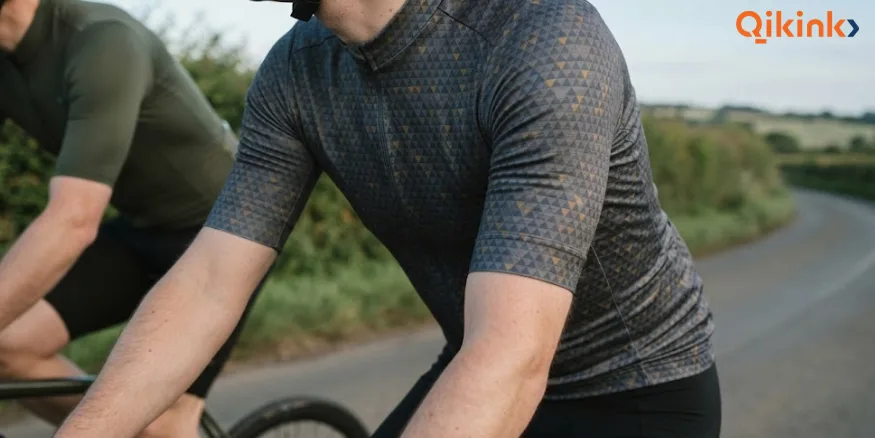
Cycling jerseys are designed specifically for riding rather than general sports use. Their construction reflects the cyclist’s forward-leaning position and the need to carry essentials during a ride.
Common features include:
- Close-fitting or performance-oriented designs that reduce excess fabric while riding.
- Front zippers that allow riders to adjust ventilation while riding.
- Rear pockets for carrying small items such as nutrition, tools, or personal essentials.
- Team or race jerseys that use colours, logos, and sponsor identification to represent a cycling team or event.
Cycling jerseys can vary considerably in fit, sleeve length, and construction depending on whether they are intended for road riding, mountain biking, racing, or casual use.
9. Baseball Jerseys

Baseball jerseys are part of a traditional team uniform and are usually recognisable by their button-front construction, team lettering or logo, and player identification. Common baseball jersey styles include:
- Button-front jerseys: Traditional baseball shirts with a front opening and buttons.
- Pullover jerseys: Baseball shirts without a full button-front opening, used in some team and league uniforms.
- Replica jerseys: Supporter versions based on professional or team designs.
Baseball jerseys may also include player names, numbers, team lettering, and sleeve variations. These details can change with the team’s uniform design and are not separate jersey categories by themselves.
10. Esports Jerseys
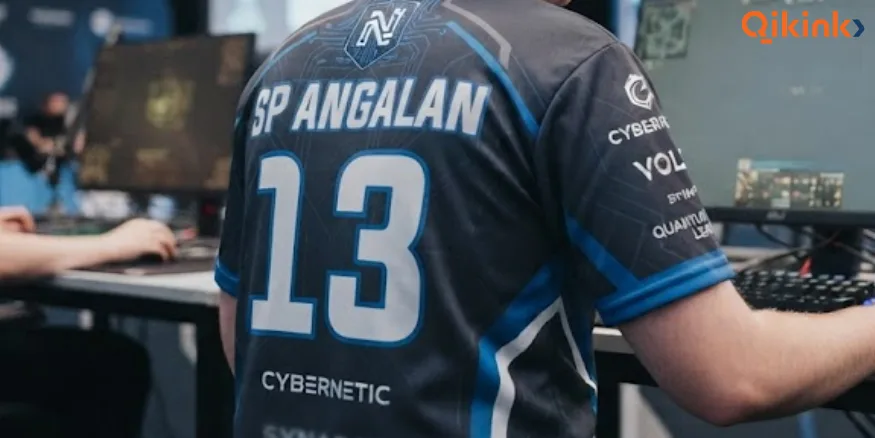
Esports jerseys are team shirts designed for competitive gaming, team appearances, and supporter wear. Unlike jerseys designed around a physical sport, their design is often driven more by team identity, branding, player names or gamer tags, and sponsor placement.
Common esports jersey uses include:
- Team competition jerseys: Worn by players during esports competitions and team appearances.
- Player jerseys: Personalised with an individual player’s name or gamer tag.
- Fan jerseys: Supporter merchandise based on the esports team’s official logo or branding design.
Esports jerseys are generally more focused on custom branding and visual identity than sport-specific physical requirements.
Transform Gaming into a Business
Learn how to design, print, and sell printed esports jerseys online in India
Custom Esports Jerseys →
Types of Jerseys by Purpose
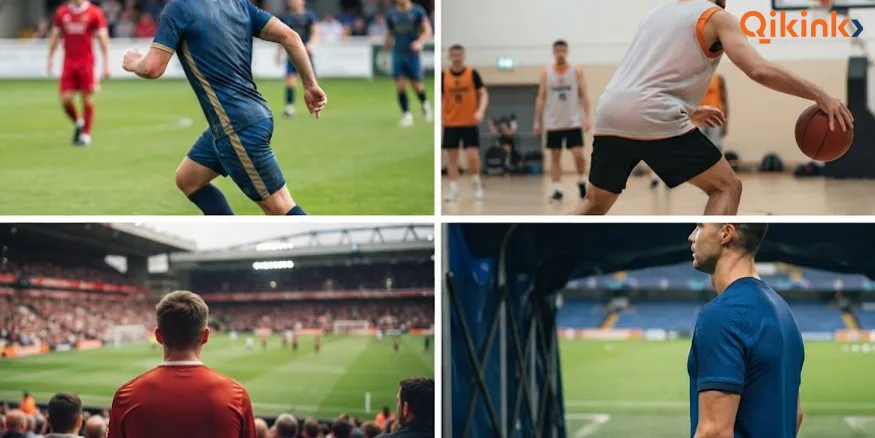
A jersey designed for competitive play may have different construction, fit, or performance features from one made for training or everyday fan wear. Some common purpose- and use-based categories are:
1. Match or Game Jerseys
Match or game jerseys are designed for competitive play. They represent the team’s official colours and identity and typically include player numbers, team marks, and other required or permitted details.
Their construction generally focuses on movement, comfort, and performance during a match. Depending on the sport, this can include lightweight materials, moisture management, stretch, ventilation, or sport-specific cuts.
A match jersey is defined primarily by how it is used, not simply by its appearance. A football home shirt, for example, can also be a match jersey, while a similar-looking shirt sold to supporters may be a replica.
2. Training or Practice Jerseys
Training or practice jerseys are designed for practices, drills, conditioning, and other preparation sessions rather than official competition.
They usually prioritise comfort, freedom of movement, breathability, and durability for repeated use. Training shirts may have simpler designs than match jerseys and can differ in fabric, fit, or construction.
A training jersey can still carry the team’s colours, logo, sponsor branding, or player identification, but it does not necessarily need to match the team’s official match shirt.
3. Replica or Fan Jerseys
Replica or fan jerseys are made primarily for supporters who want to wear a team’s colours and design. They generally reproduce the visual identity of an official team jersey while being designed for everyday wear rather than necessarily matching the exact construction of a player-worn version.
They are commonly used for:
- Supporting a team at matches and events
- Casual everyday wear
- Fan merchandise and team collections
- Personalised names or numbers, where offered
A replica jersey can look very similar to a match jersey, but visual similarity does not mean identical construction. The materials, fit, finishing, and performance features can differ between supporter and player versions.
4. Authentic or Player Jerseys
Authentic or player jerseys are versions designed to closely replicate the construction and appearance of jerseys worn by athletes in competition. They typically place greater emphasis on performance-oriented construction, fit, lightweight materials, and details associated with the team’s official playing uniform.
Depending on the sport and manufacturer, an authentic jersey may differ from a replica through:
- A more athletic or player-oriented fit
- Lighter or more technical fabric
- Performance-focused ventilation or moisture management
- Competition-specific details and finishing
- Player-level construction or specifications
The term “authentic” is not a universal technical standard across every sport or manufacturer, so buyers should check the product specifications rather than assuming every authentic-labelled jersey has the same features.
Types of Jerseys by Style and Construction
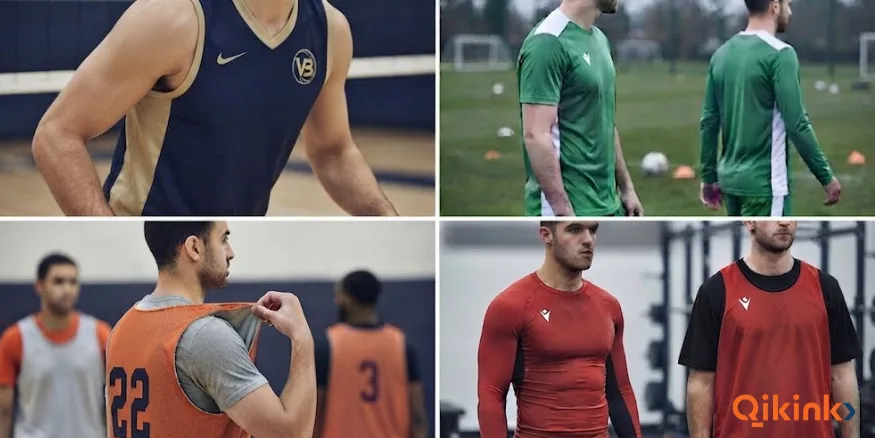
Jerseys can also be classified by their style and fit, which affect coverage, freedom of movement, comfort, and versatility. A jersey can therefore have one of these styles while also being designed for match, training, or fan use.
1. Sleeveless Jerseys
Sleeveless jerseys leave the arms uncovered and are commonly used in sports where freedom of movement around the shoulders and arms is important, such as basketball and kabaddi.
They are also popular for training and casual sportswear, particularly in warm conditions. The open arm design provides ventilation and allows unrestricted upper-body movement.
2. Short-Sleeve and Long-Sleeve Jerseys
Short-sleeve jerseys offer a balance of coverage, ventilation, and freedom of movement, making them common across sports such as football, rugby, cricket, and cycling.
Long-sleeve jerseys provide additional arm coverage and can be useful in cooler conditions or when more coverage is preferred. The same sport may offer both sleeve lengths depending on the team, season, or player’s preference.
3. Reversible Jerseys
Reversible jerseys have two wearable sides, usually with a different colour or design on each side. This allows teams to switch between two colour options without needing separate jerseys.
They are particularly common in basketball and are useful for training, recreational games, and other situations where teams need to distinguish between two sides quickly.
4. Performance and Relaxed Fits
Performance-fit jerseys are generally cut closer to the body to minimise excess fabric and support unrestricted movement during physical activity. They are commonly associated with competitive and performance-oriented sportswear.
Relaxed-fit jerseys provide more room through the body and are often preferred for casual wear, fan apparel, or comfortable training. The best fit depends on how the jersey will be used, rather than one fit being universally better than the other.
Types of Jerseys by Fabric
The fabric used in a jersey affects characteristics such as comfort, breathability, weight, durability, and moisture management. Unlike sport or purpose classifications, fabric describes what the jersey is made from.
1. Polyester Jerseys
Polyester is one of the most widely used materials for sports jerseys because it is lightweight, durable, and relatively quick to dry. It is commonly used in match, training, and teamwear because it can support moisture management and repeated use.
2. Mesh Jerseys
Mesh jerseys use an open or textured construction that allows greater airflow through the garment. They are useful for sports and training where ventilation and breathability are important, particularly in warm conditions.
3. Cotton-Blend Jerseys
Cotton-blend jerseys combine cotton with synthetic fibres to balance softness and comfort with properties such as durability and easier care. They are often suitable for casual wear, fan apparel, and some training applications where a softer feel is preferred.
How to Choose the Right Type of Jersey?
Choosing the right jersey depends on how you plan to use it, the sport you play, the fit you prefer, and the conditions in which you will wear it. A jersey intended for competitive play may have different features from one designed for training, casual wear, or team support.
- Consider the sport: Choose a jersey designed for the sport you intend to play or represent. Football, cricket, basketball, cycling, and other sports have different requirements for movement, coverage, fit, and construction.
- Choose the right purpose: Decide whether the jersey is for competitive matches, training, or everyday wear. Match jerseys generally focus on performance, while training jerseys may prioritise comfort and durability. Replica or fan jerseys are usually more suitable for casual and match day use.
- Select the right fit: Consider how closely you want the jersey to fit your body. Performance fits are generally closer to the body, while relaxed fits provide more room and can be more comfortable for casual wear. If the jersey will be worn over other clothing or equipment, allow for sufficient room.
- Consider the style and construction: Sleeve length, reversibility, and overall construction can affect comfort and movement. Sleeveless jerseys may suit sports that require greater freedom around the shoulders, while short- or long-sleeve options provide different levels of coverage and ventilation.
- Check the fabric: The material affects how a jersey feels during play, how it should be cared for, and how long it lasts. Polyester suits most match and training use, an open mesh weave helps in hot conditions or high-intensity sports, and a cotton blend works better for supporters buying a jersey mainly for everyday wear.
- Think about customisation: If the jersey is for a team, school, club, event, or brand, consider whether you need player names, numbers, logos, sponsor details, or specific colours. Customisation and minimum order quantity should be considered before selecting the jersey and its construction.
- Match the jersey to the conditions: Weather and playing conditions can influence which jersey is most comfortable. Lightweight and breathable options can be useful in warm conditions, while long sleeves or additional layers may provide greater coverage in cooler weather.
- Balance features with your budget: A more advanced or player-oriented jersey is not necessarily the best choice for every wearer. Consider how frequently you will use it and which features you actually need rather than choosing solely based on the product label or price.
The right jersey is ultimately the one that matches your sport, purpose, preferred fit, conditions, and other required features.
Build Your Own Jersey
Pick a sport, add your team and player details, choose a style — see your jersey come together in seconds.
Custom Jerseys for Teams, Events and Brands
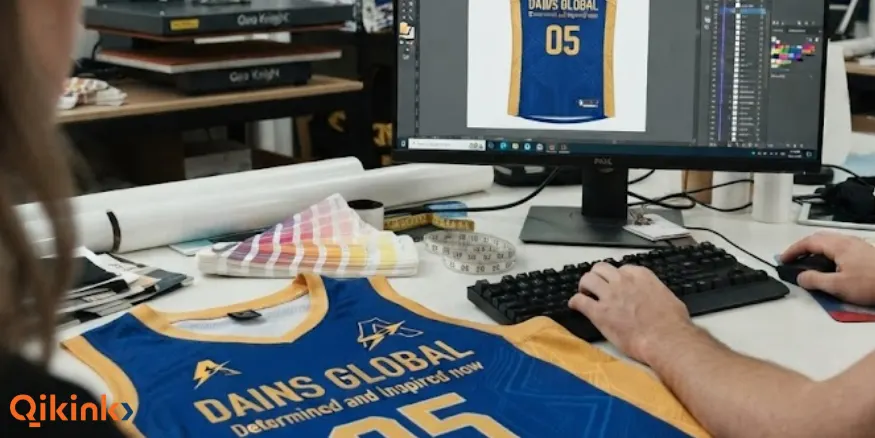
Custom jerseys let a team, school, event, or brand build sportswear around its own colours, identity, and requirements instead of using a stock design. The type of customisation usually depends on who is wearing the jersey and how it will be used.
Sports Teams
Sports teams typically customise a jersey with team colours, a logo or emblem, and individual player names and numbers, while keeping the design consistent enough to work as a shared playing or training uniform.
Schools and Clubs
Schools, academies, and clubs often reuse one core design across multiple teams, age groups, or sports, adding the institution’s colours and logo along with player names and numbers so the same template scales across a large group.
Events and Tournaments
Jerseys are particularly made for a single tournament, corporate sports day, or charity match usually carry the event name, date, and sponsor branding rather than a permanent team identity, since they are meant for that occasion rather than ongoing use.
Brands and Businesses
A brand using custom jerseys as merchandise or promotional apparel usually applies one consistent design across the run, without individual player details, and keeps branding minimal enough not to crowd the design.
Custom jerseys can be produced using different printing methods depending on the fabric, design, and quantity involved. Sublimation is a common choice for polyester sportswear, since the design goes into the fabric itself rather than sitting on top of it.
Bring Your Design Ideas to Life
Discover the ultimate guide for creating your own custom designs effortlessly
Personalised T-Shirt Printing →
Frequently Asked Questions
1. What Are The Common Types Of Jerseys?
2. What Are The Different Types Of Football Jerseys?
3. What Are The Types Of Basketball Jerseys?
4. What Is The Difference Between A Match Jersey And A Training Jersey?
5. What Is A Replica Jersey?
6. What Are The Different Types Of Jersey Collars?
Final Thoughts
Jersey types are best understood by looking at the sport, intended use, and design together. A cricket jersey, basketball jersey, football jersey, or esports jersey reflects the requirements of its sport, while match, training, fan, and player versions describe how the garment is intended to be used. Style and construction add further differences, while fabric describes the material rather than the jersey type itself.
For most buyers, the simplest approach is to choose the sport first, decide how the jersey will be used, and then consider the fit, sleeve style, and fabric that suit that purpose. Customisation comes next, once the base type is settled.
Qikink prints custom jerseys for teams, schools, tournaments, brands, and esports groups, across sports including cricket, football, basketball, kabaddi, and volleyball. Your designs can include team colours, names, numbers, and logos.
Sign Up for Free →Read more
- Sports T-Shirt Printing In India: Custom Name Printing Options
- Kids T-Shirt Printing: Customised And Bulk Printed T-Shirts
- Best Personalised Diwali Gifts for Employees in India
- Custom Baby T-Shirts Printing: Design & Order Online Today
- Custom Embroidered Hoodies: Guide to Sell Designed Hoodies
Share the Article


